Quartz Is Non-Porous, So Why Is It Staining?
Direct answer: Quartz slabs resist liquids better than natural stone because they are engineered with a resin binder, but that resin can react with harsh chemicals and micro-scratches can hold pigment. Most quartz staining is actually surface dulling, dye transfer, or oil buildup, not deep absorption.
Quartz is made from roughly 90% crushed quartz mineral and 7% to 10% resin binder, plus pigments. The resin makes the surface non-porous, but it is not immune to chemical damage. When dark or acidic liquids sit on the surface, they dry into a film that bonds to the resin at a microscopic level. That bond often looks like a stain even though it does not soak through the slab the way it would in marble or limestone. Strong solvents and high-alkaline cleaners are worse because they can soften the resin and leave a permanent white, gray, or yellow mark that many homeowners mistake for staining.
Common triggers include coffee, tea, red wine, tomato sauce, mustard, turmeric, beet juice, ink, nail polish, hair dye, perfume, cast iron rust, and hard water minerals. The good news is that quartz stain prevention is fairly simple once you understand the three weak points: resin sensitivity, micro-scratches, and cumulative oils.
4 Prevention Tips That Keep Quartz Countertops Stain-Free
Direct answer: Use cutting boards and trivets, clean spills within minutes, use only pH-neutral cleaners, and isolate high-risk items like ink, dyes, cast iron, and acidic foods. These four habits prevent most quartz stains and surface dulling.
Quartz does not require sealing, but it does require consistent daily habits. The four tips below address the most common ways quartz countertops develop stain-like marks in real kitchens and bathrooms.
Tip 1: Keep Dyes, Pigments, and Reactive Metals Off the Surface
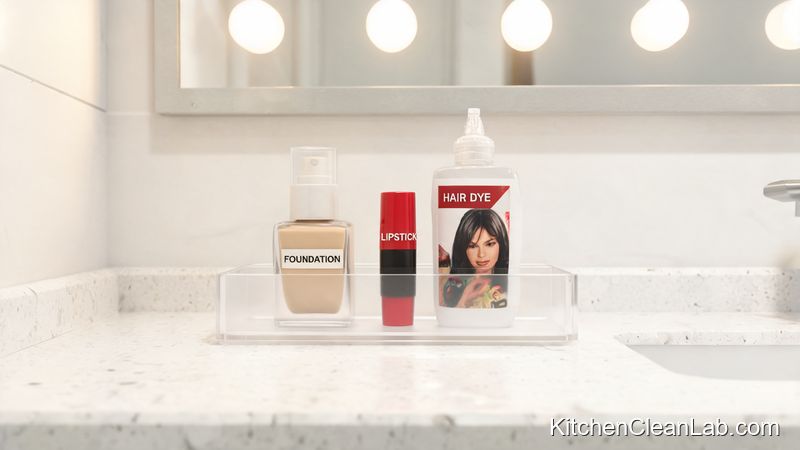
Ink, nail polish, hair dye, foundation, turmeric, beet juice, and permanent marker can leave stubborn marks. Cast iron pans, steel wool, and some metal cans can deposit rust-like stains when they sit on damp quartz. Keep a dedicated tray or mat for cosmetics, coffee supplies, and metal cookware. If a pen or marker lives in a drawer above the counter, make sure the cap is secure and the drawer has a liner. A leaking pen can roll onto the surface and create a mark that is extremely difficult to remove.
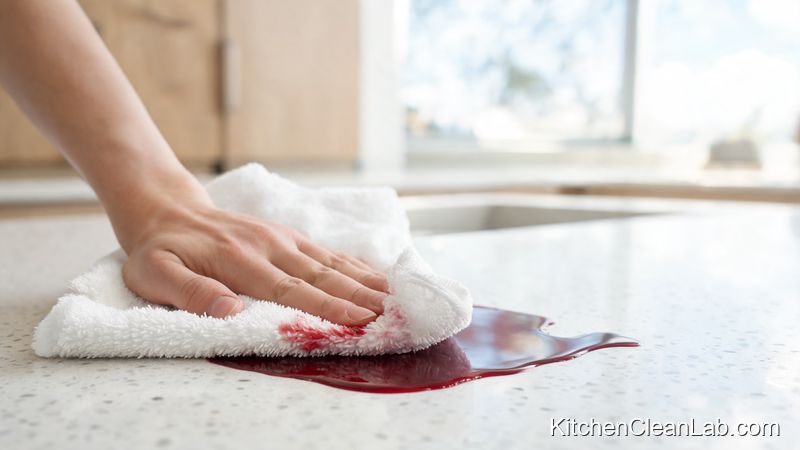
Tip 2: Blot Spills Immediately Instead of Wiping
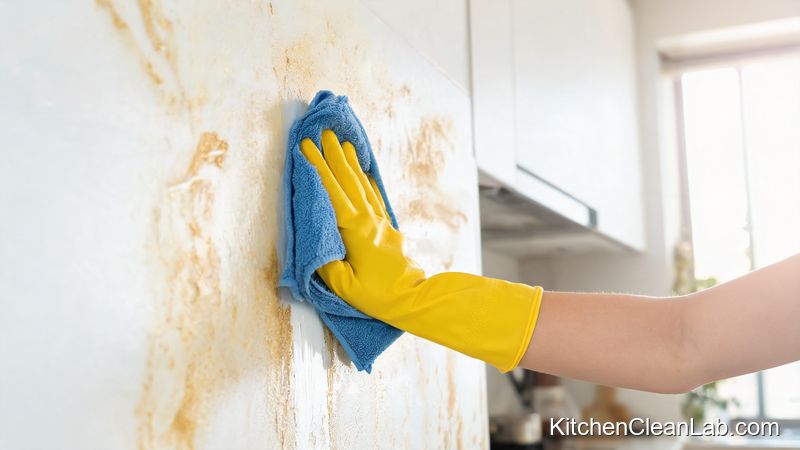
Wiping pushes liquid into micro-scratches, seams, and sink edges. Use a dry microfiber or paper towel and blot from the outside of the spill toward the center. For thick sauces, scoop with a plastic scraper first. For wine, coffee, or juice, blot quickly and then clean with warm water and mild dish soap. The longer a colored liquid sits, the more likely the resin will hold the pigment.
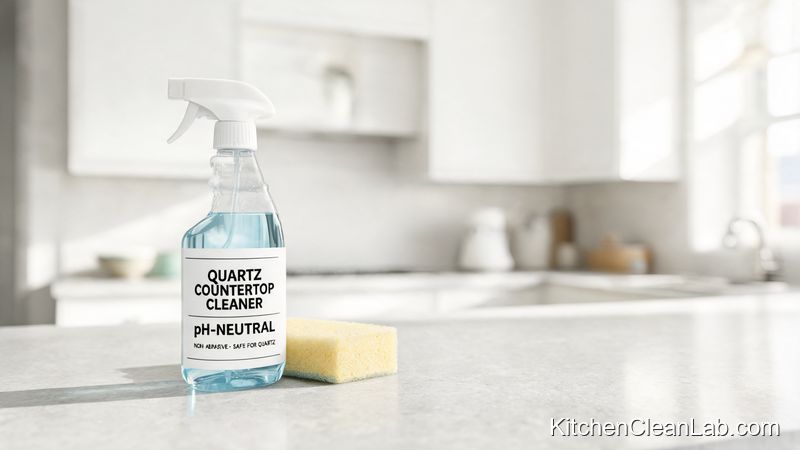
Tip 3: Use pH-Neutral Cleaners Only
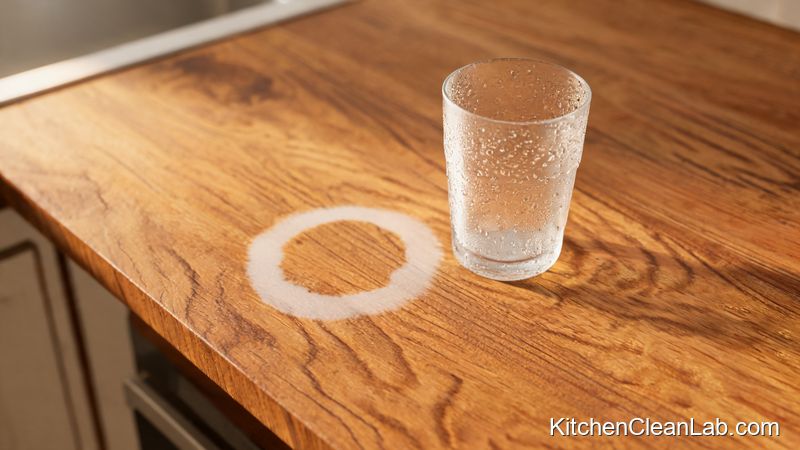
Vinegar, lemon juice, ammonia, bleach, and acidic multi-surface sprays can break down the resin and create cloudy spots that look like stains. A few drops of mild dish soap in warm water is safe for daily cleaning. If you use a commercial stone cleaner, check that the label says pH-neutral or quartz-safe. After cleaning, rinse with a damp cloth to remove soap film.
Tip 4: Protect Edges, Sink Areas, and Overhangs
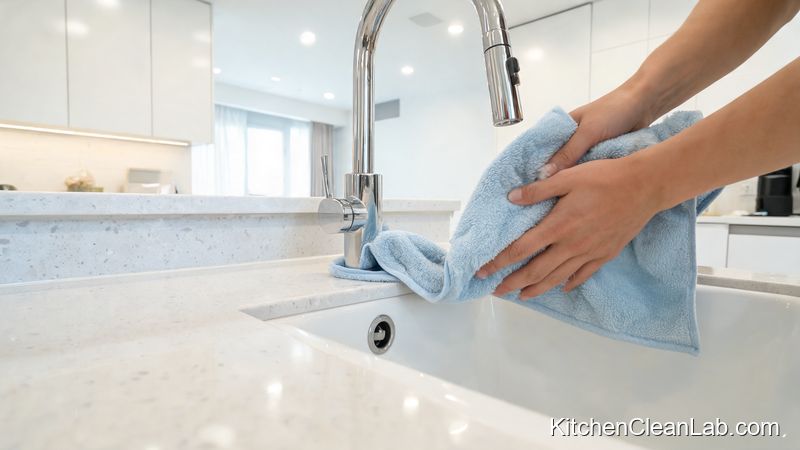
Water, toothpaste, soap scum, and hard water minerals collect around faucets and seams. These deposits turn dull, gray, or brown over time. Dry high-use areas after each use with a microfiber towel. Avoid sitting or leaning on overhangs and corners; a chip or stress crack can trap moisture and debris, making the area look permanently dirty or stained.
Step-by-Step Guide: Removing a Fresh Quartz Stain Safely
Direct answer: Blot the spill with a dry microfiber cloth, clean with warm water and mild dish soap, rinse thoroughly, and dry the area completely. For stubborn dye or ink marks, use 70% isopropyl alcohol on a cloth with proper ventilation.
Speed matters more than force. Most quartz stain removal failures happen because someone scrubs too hard or reaches for the wrong chemical. Follow the steps below before trying anything stronger.
- Blot, never scrub. Place a dry microfiber or paper towel over the spill and press gently. Lift away liquid without spreading it.
- Mix warm water with a few drops of mild dish soap. Use one or two drops per quart of water. Too much soap leaves a film that can attract oil.
- Wipe with a non-abrasive sponge or microfiber cloth. Use light pressure. If you feel grit under the cloth, rinse it immediately to avoid scratching the surface.
- Rinse with clean water. Dampen a separate cloth with plain water and wipe away all soap residue.
- Buff dry with a dry microfiber towel. This step prevents water spots, especially on white or dark quartz.
- For set-in dye or ink: Dampen a white cloth with 70% isopropyl alcohol. Wear nitrile gloves and open a window for ventilation. Wipe gently, rinse with water, and dry. Do not pour alcohol directly onto the surface.
Safety precautions: Always open a window or run the range hood when using isopropyl alcohol or any commercial stone stain remover. Wear nitrile gloves to avoid skin irritation. Never mix cleaning chemicals on quartz, especially bleach and ammonia, which can produce toxic chloramine gas. Keep paint strippers, oven cleaners, and drain cleaners far away from quartz; these are formulated to dissolve resins and coatings.
Common mistakes to avoid include using steam cleaners, which can heat the resin unevenly and cause discoloration, and leaving baking soda paste to dry, which can leave a chalky residue that dulls the polish.
Cleaning Products That Trigger Quartz Discoloration
Direct answer: Bleach, ammonia, vinegar, lemon, acidic sprays, abrasive powders, and melamine foam can etch or scratch quartz and create stain-like white or gray patches. Use only pH-neutral cleaner and soft non-abrasive cloth.
Some products create damage that looks exactly like staining. If your quartz countertop has a white haze, yellow patch, or cloudy ring, the cause is often a cleaning product or a hot pan rather than food.
| Product or ingredient | Risk to quartz | Safer alternative |
|---|---|---|
| Vinegar, lemon, ammonia, bleach | Etches resin, dulls polish, creates cloudy spots | pH-neutral quartz cleaner or mild dish soap |
| Magic Eraser, steel wool, abrasive powders | Micro-scratches trap dirt and stain residues | Soft microfiber or non-scratch sponge |
| Acidic multi-surface sprays | Break down resin over time, yellowing white quartz | Quartz-safe spray labeled pH-neutral |
| Oven cleaner, paint remover, acetone | Can soften or discolor resin permanently | Do not use; contact a fabricator for damage |
If you are not sure whether a product is safe, apply a small amount to a hidden area, wait five minutes, and check for changes in gloss or color. Always rinse and dry the test spot afterward.
White Quartz Countertops: Extra Prevention Rules
Direct answer: White quartz shows water spots, dye transfer, and oil film more than dark colors. Dry the surface after cleaning, use trays under makeup or colored containers, and wipe around sink edges daily to keep the bright finish.
White quartz remains one of the most popular kitchen and bathroom choices, but it is less forgiving than darker shades. The maintenance difference is mostly visual: the same stain may be invisible on a black countertop and very obvious on a white one.
- Dry after every cleaning. Streaks and hard water spots are more visible on white quartz.
- Store dark or colorful containers off the surface. Plastic, cast iron, and painted items can transfer pigment over time.
- Keep citrus, berries, and tomatoes in bowls. Their juices can leave faint yellow or pink marks if crushed and left to dry.
- Use a tray for makeup, hair dye, and nail polish. Cosmetic pigments bond fast to white quartz.
- Inspect sink edges and faucet bases. Soap scum, toothpaste, and standing water create gray or beige buildup.
If you have a white quartz island, keep a dry microfiber towel near the prep area. The faster you dry the surface, the fewer mineral and oil marks you will see over time.
Frequently Asked Questions About Quartz Stains
Direct answer: Most quartz stains are topical and can be removed with safe cleaners, but prevention is faster. Here are the most common questions homeowners ask about quartz countertop staining and care.
Can you use Magic Eraser on quartz countertops?
No. Melamine foam is abrasive enough to remove gloss and create micro-scratches. Use a soft microfiber cloth and a pH-neutral cleaner instead. If the surface already looks dull, contact a stone restoration professional.
Does quartz stain from coffee, tea, or red wine?
Quartz resists these liquids longer than marble, but coffee, tea, and red wine can stain if they sit for hours, especially on light colors. Blot quickly and clean with warm water and dish soap. For a set-in spot, try a quartz-safe stain remover before using anything abrasive.
Why does my white quartz look yellow or gray?
Yellowing often comes from resin exposure to harsh cleaners or prolonged contact with oils. Gray patches may be hard water minerals, soap scum, or micro-scratches reflecting light differently. Switch to pH-neutral cleaners and dry the surface daily to prevent buildup.
Is baking soda safe for quartz stain removal?
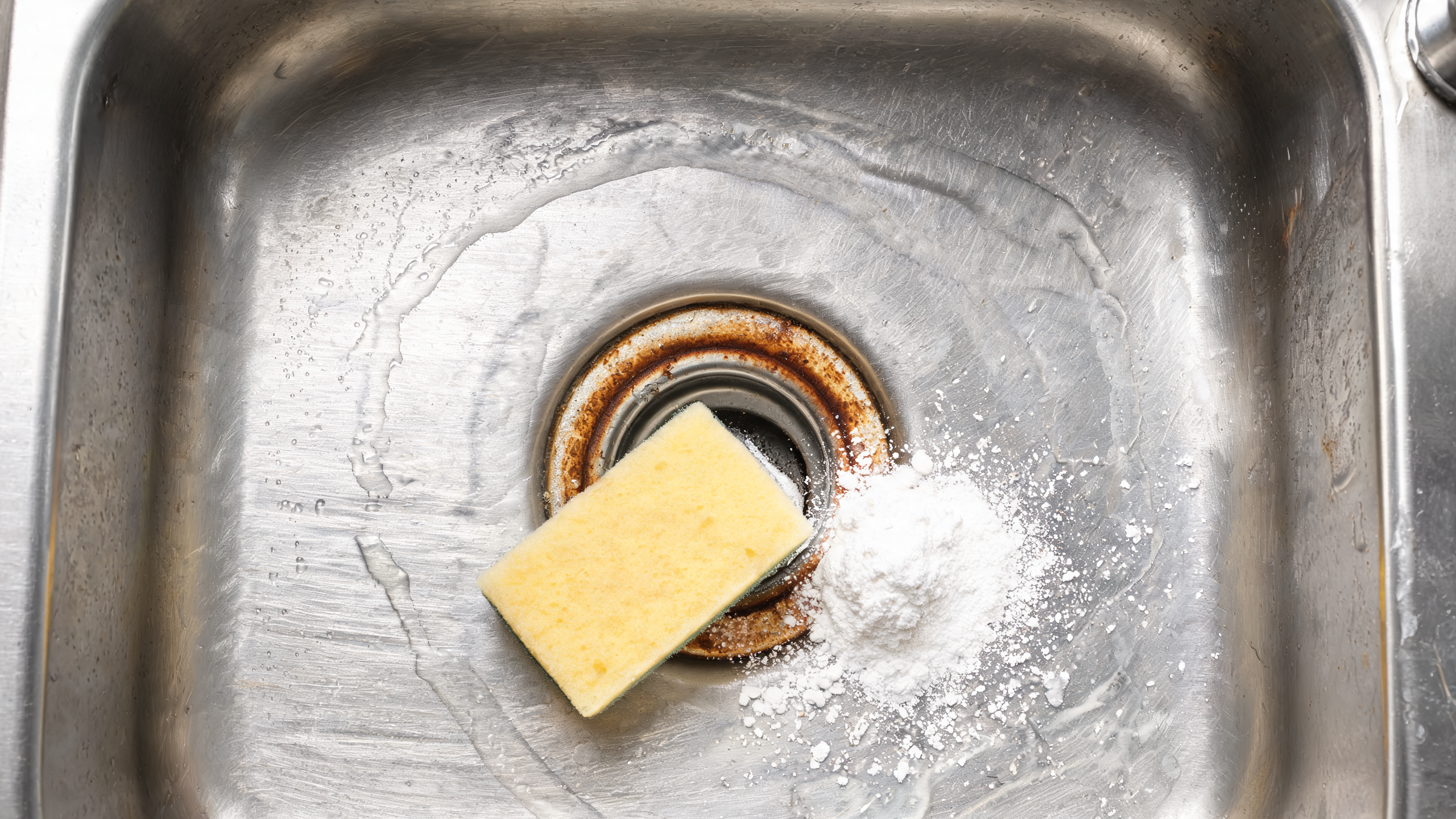
Only as a short-contact paste, not as a scrubbing powder. Spread a paste of baking soda and water, let it sit for five minutes, then rinse and dry. Test a hidden area first because baking soda can dull the polish if rubbed.
Your Long-Term Quartz Countertop Protection Checklist
Direct answer: A simple routine—dry spills immediately, clean with pH-neutral soap daily, buff with microfiber, and inspect high-risk zones weekly—keeps quartz stain-free and glossy without special sealers or harsh chemicals.
The best quartz care plan is boring and consistent. It takes less than five minutes a day once the habits are in place.
- Daily: Wipe down with a soft cloth and warm water plus a drop of dish soap. Dry with microfiber.
- After cooking: Blot oil splatters and clean around the cooktop before the grease cools and hardens.
- Weekly: Clean sink edges, faucet bases, and seams. Move small appliances and wipe beneath them.
- Monthly: Check for dull spots, hairline scratches, or pigment transfer. Treat stubborn spots with a quartz-safe cleaner and inspect hidden areas.
The real lesson is not that quartz stains easily; it is that quartz punishes lazy cleanup. Once you treat it as a durable but finished surface, most stains never get a chance to develop.