Why Daily Maintenance Keeps Quartz Spotless
Quartz is non-porous, but the resin binder that holds the crushed stone together is not stain-proof or heat-proof. Daily maintenance removes dust, oils, and water before they create hazy films, micro-scratches, or hard water deposits. A few consistent minutes each day protect the polished factory finish better than occasional heavy scrubbing.
Engineered quartz countertops are typically made from 90–93% crushed natural quartz mixed with 7–10% polyester or acrylic resins. Those resins give quartz its uniform color and flexibility, but they also react to acids, high heat, and sharp friction. That is why daily quartz countertop maintenance should be preventive rather than corrective. You do not need to seal quartz, but you do need to keep it free of cooking oil, mineral-heavy water, and abrasive dust.
A spotless quartz countertop is not just visually clean. Daily care also prevents the slow buildup of biofilm in kitchens and product residue in bathrooms. The most effective routine is low-friction and pH-neutral: dry dust, blot spills, wash with a gentle cleaner, rinse, and dry. The following five secrets cover the exact daily habits that make the difference between a hazy surface and a mirror-like finish.
Secret #1: Dry Dust Before You Introduce Any Moisture
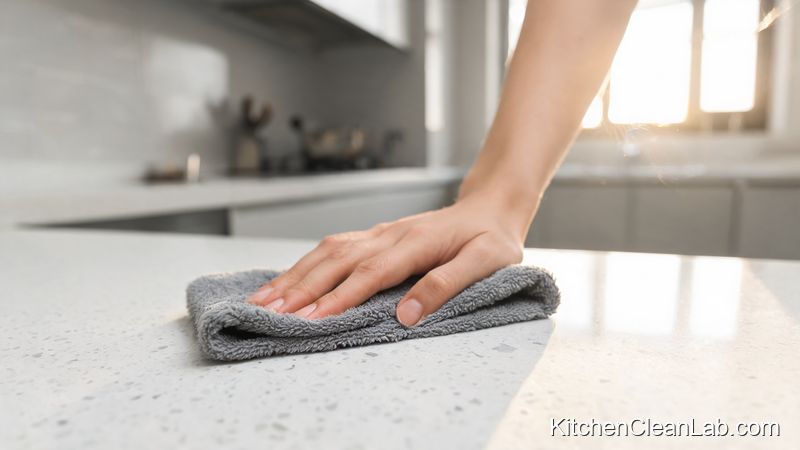
Use a dry microfiber cloth to lift flour, sugar, coffee grounds, and other fine debris before wet cleaning. When moisture hits those particles, it creates a slurry that acts like fine sandpaper on the polished quartz surface. This 20-second pre-cleaning step prevents most micro-scratches and cloudy film.
Microfiber is the only fabric you should use for dry dusting. It captures dust and oils without leaving lint. Paper towels, napkins, and old rags can shed fibers and create tiny abrasions. Work in one direction and shake the cloth outside or wash it after each use. If you have dark quartz, dry dusting is even more important because fine scratches and dust show up quickly.
This step also prepares the surface for the wet cleaning that follows. Without dust removal, your cleaning solution may simply push debris around and leave streaks. Keep a dedicated microfiber cloth near the kitchen prep area or bathroom vanity so dry dusting becomes automatic.
Secret #2: Blot Spills, Don’t Wipe—Even Clear Liquids
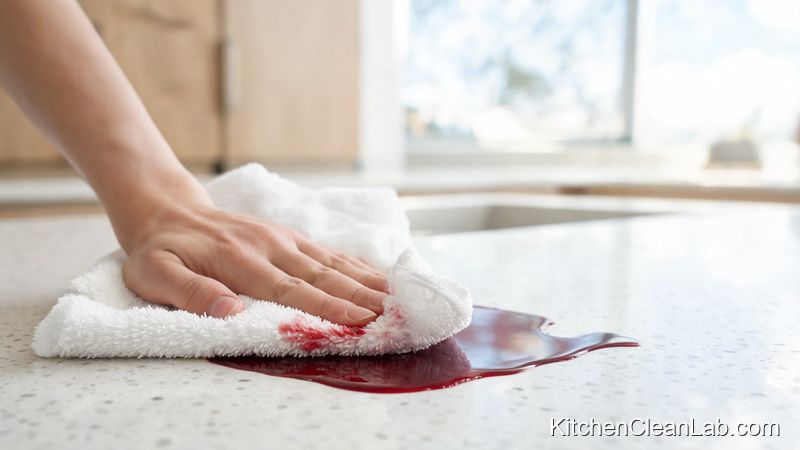
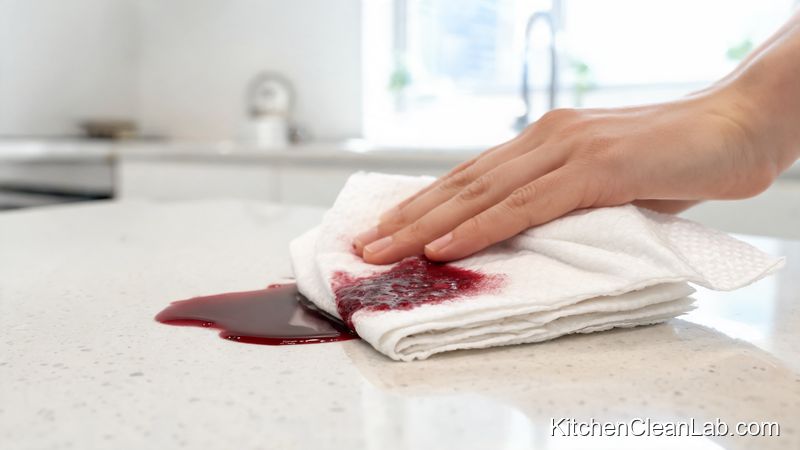
Blot spills immediately with a clean white cloth or paper towel within 60 seconds. Wiping spreads acidic liquids and pigments across the surface, pushing them into micro-crevices around the resin. Blotting absorbs the spill before it can bond or stain.
Coffee, red wine, beet juice, tomato sauce, lemon juice, and even hard water can leave residue on quartz if they are allowed to sit. Clear liquids are often ignored because they do not look dangerous, but hard water and cooking oil create invisible films that dull the surface over time. Use a fresh section of the towel for each blot to avoid re-applying the spill.
After blotting, rinse the area with warm water and a drop of mild dish soap. Dry with microfiber to remove the final trace. If a sticky or oily spill has already dried, do not scrape it. Place a warm, wet cloth over the spot for five minutes to rehydrate the residue, then blot and wash.
Secret #3: Stick to pH-Neutral, Non-Abrasive Cleaners
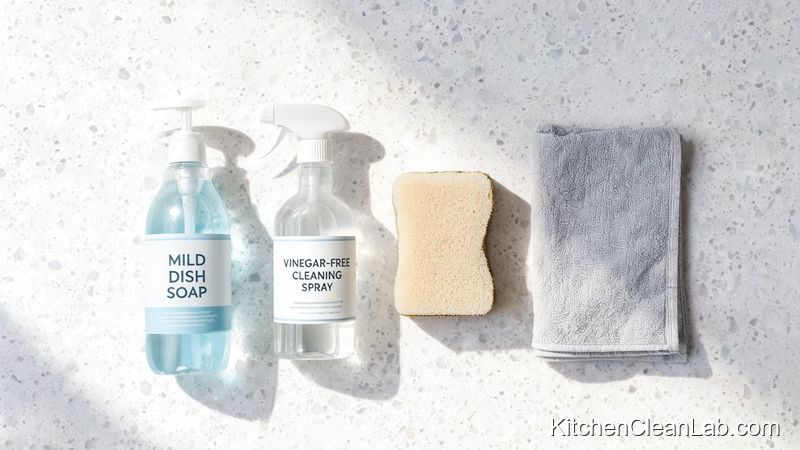
A drop of mild dish soap in warm water or a dedicated quartz cleaner is all you need for daily quartz countertop maintenance. Avoid bleach, vinegar, ammonia, citrus degreasers, and scouring pads. These either etch the resin or leave micro-scratches that trap dust and make quartz look dull.
Quartz cleaner labels should say “pH-neutral,” “non-abrasive,” or “quartz-safe.” If you prefer a DIY option, mix one or two drops of mild dish soap into two cups of warm water. Do not mix cleaning products—especially bleach and ammonia—because fumes are dangerous. Also avoid products containing hydrofluoric acid or high concentrations of citric acid, as they can permanently whiten the resin.
When you sanitize, choose 70% isopropyl alcohol instead of bleach. Spray lightly, leave it for 30 seconds, then rinse and dry. This is safe for quartz and effective against bacteria. Always use a soft sponge or microfiber cloth; never use steel wool, green scrub pads, or abrasive erasers.
| Safe daily options | Unsafe on quartz |
|---|---|
| Mild dish soap + warm water | Bleach and ammonia |
| Dedicated pH-neutral quartz cleaner | Vinegar, lemon juice, citric acid |
| 70% isopropyl alcohol for sanitizing | Oven cleaner, grout cleaner |
| Soft microfiber cloth or non-scratch sponge | Steel wool, green scrub pads |
Secret #4: Use Trivets and Cutting Boards Every Single Time
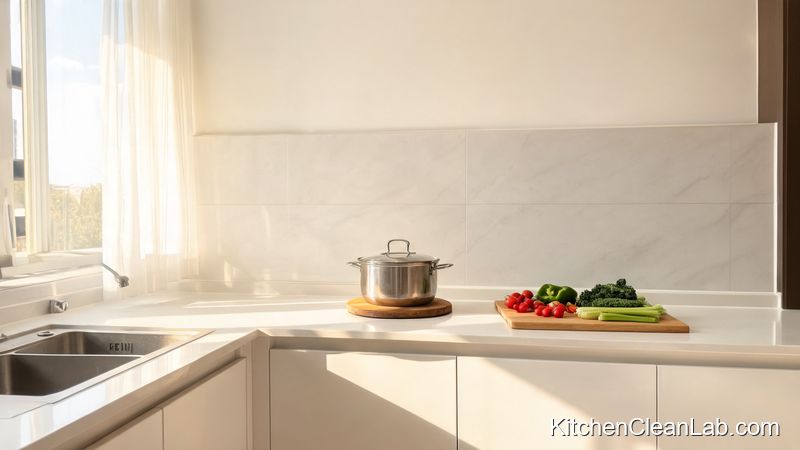
Quartz handles brief warmth, but direct heat from pots and pans can crack the resin binder or leave yellow-brown scorch marks. Always place hot cookware on trivets or hot pads, and never chop directly on quartz. These daily habits prevent thermal shock and knife friction from damaging the polished surface.
Most quartz manufacturers rate the surface for brief exposure to temperatures up to about 150–200°C (300–400°F), but the resin component can fail before the stone does. A cast iron skillet straight from the burner can cause a thermal shock crack that expands over time. In bathrooms, curling irons and flat irons should rest on heat-resistant mats.
Cutting directly on quartz will not always create a deep scratch, but it quickly dulls the glossy finish. Knife friction leaves micro-abrasions that scatter light and make the counter look cloudy. Keep a wooden or plastic cutting board in the prep zone and use it for slicing, chopping, and even pastry work. This is especially important on dark quartz, where dull patches are most visible.
Secret #5: Sanitize Weekly Without Harsh Disinfectants
For food-contact quartz, a weekly sanitizing pass with 70% isopropyl alcohol kills bacteria without damaging the resin. Spray lightly, wait 30 seconds, rinse with clean water, and dry. Avoid bleach wipes and acidic disinfectants that leave cloudy residue and degrade the surface over time.
Daily soap-and-water cleaning removes food debris, but raw meat, poultry, and eggs can introduce pathogens. In kitchens, sanitize at least once a week; in bathrooms, every two weeks is usually enough unless someone is ill. Use a dedicated spray bottle filled with 70% isopropyl alcohol. Do not use bleach or hydrogen peroxide daily, because they can break down the resin bond and cause discoloration, especially on white or light quartz.
Ensure the room is ventilated when using isopropyl alcohol. If you prefer a commercial sanitizer, choose one labeled safe for quartz or stone surfaces. After sanitizing, always rinse with water and buff dry to prevent chemical buildup.
Step-by-Step Daily Quartz Countertop Cleaning Routine
Follow this five-minute sequence: dry dust, blot sticky spots, wash with a pH-neutral solution, rinse, and dry. Consistency prevents hard water spots, grease haze, and dull patches from accumulating.
- Dry dust the entire surface with a clean microfiber cloth to lift abrasive particles.
- Inspect for spills and dried food. Soften sticky residue with a warm damp cloth for five minutes if needed.
- Mix a few drops of mild dish soap into warm water—never hot water—to create a gentle cleaning solution.
- Wipe in small sections using a soft sponge or microfiber cloth, working with circular motions.
- Rinse thoroughly with clean water to remove all soap residue.
- Buff dry with a separate dry microfiber cloth to prevent mineral spots and streaks.
Perform this routine after meal prep and before bed in kitchens. In bathrooms, wipe water spots and product splatter daily with a damp cloth, then dry.
Common Daily Mistakes That Make Quartz Look Dull
Dull quartz usually comes from acidic cleaner residue, abrasive scrub pads, or hard water left to air dry. Avoid these habits and the surface keeps its polished clarity without refinishing.
- Using vinegar or lemon juice: acids break down the resin and leave permanent etch marks.
- Scrubbing with green pads: micro-scratches scatter light and trap grime.
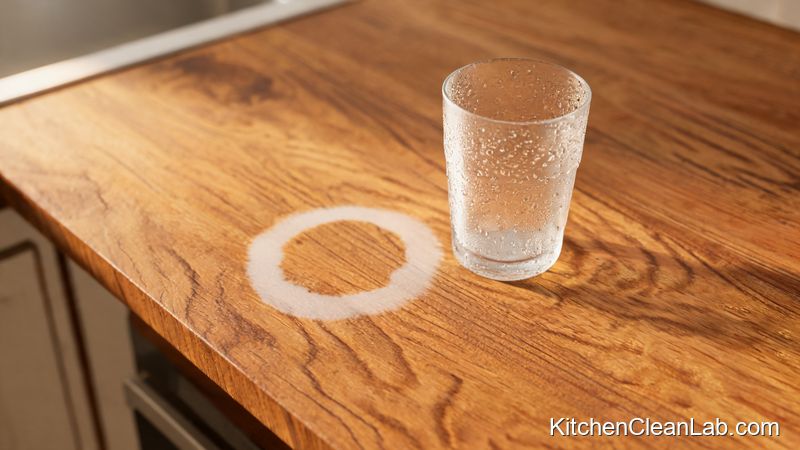
- Leaving standing water: mineral deposits create a white haze, especially on dark quartz.
- Putting hot pans directly on quartz: resin can discolor or crack from thermal shock.
- Using bleach daily: it may dull the color and degrade the surface over time.
If dullness has already appeared, try cleaning with warm water and a pH-neutral quartz cleaner, then buff with microfiber. Do not use polishing agents that contain abrasives unless the quartz manufacturer approves them. For deeper scratches or scorch marks, contact a professional stone restoration service.
FAQs: Quartz Countertop Daily Maintenance Questions
These answers cover the most common daily quartz care questions. Quick troubleshooting helps you maintain spotless quartz without damaging the resin binder or factory polish.
Can I use disinfecting wipes on quartz countertops every day?
Most household disinfecting wipes contain citric acid, alcohol, or quaternary ammonium compounds that can build up a haze on quartz. For daily food-contact cleaning, use soap and water. If you need sanitizing, spray 70% isopropyl alcohol, let it sit for 30 seconds, then rinse and dry.
How do I remove dried food stains without scratching the surface?
Soften the stain with a warm, damp cloth for five minutes. Then apply a paste of baking soda and water to the area and gently rub with a soft cloth in a circular motion. Wear kitchen gloves if you have sensitive skin, and keep the area ventilated. Never use steel wool or abrasive scrubbing pads. Rinse fully and dry with microfiber.
Is it safe to use vinegar or lemon juice to clean quartz?
No. Both are highly acidic and can break down the resin bond in quartz, leaving dull spots or white marks. Use only pH-neutral cleaners or mild dish soap diluted in warm water. If acid spills happen, blot immediately and rinse with clean water.
Does quartz countertop maintenance include sealing?
No. Quartz is non-porous and does not require sealing like granite or marble. Daily maintenance focuses on cleaning, blotting spills, and avoiding heat and scratches. Aggressive sealers can leave sticky residue that attracts dust.
A Spotless Quartz Countertop Comes Down to Daily Guardrails
Quartz feels almost indestructible, but its polished clarity depends on small daily habits. Dry dust, blot spills fast, use pH-neutral cleaners, protect against heat and knives, and sanitize without bleach. These steps take only a few minutes and keep your countertops looking factory-new for years.
If you ever notice a stain, scorch mark, or deep scratch, stop using the countertop and contact a professional. Early intervention prevents permanent resin damage. For normal daily care, the five secrets above cover everything you need to keep quartz spotless, hygienic, and genuinely low-maintenance.