What Causes Water Rings on Wood Kitchen Island Tops?
White or cloudy water rings are almost always trapped moisture in the topcoat finish, not permanent damage to the wood itself. Dark brown or black rings signal that water has penetrated the finish and entered the wood fibers. On a kitchen island, the combination of hot dishes, condensation, spills, and repeated wiping can make these rings appear quickly.
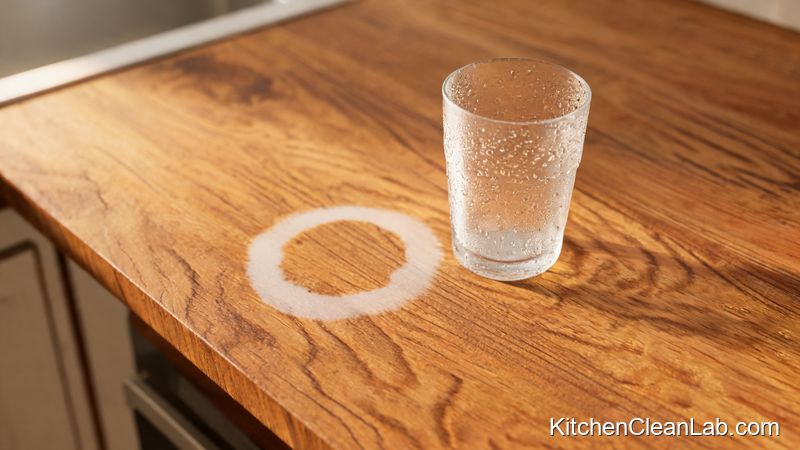
The type of finish matters. A thick polyurethane or varnish finish can hold moisture in the outer layers, producing a milky white haze. Oil-finished or waxed wood may develop dull rings because moisture displaces naturally occurring oils. If you catch a white ring early, you can usually remove it without sanding.
Kitchen islands differ from coffee tables because they often double as food preparation surfaces. That means any product you use should be wiped away thoroughly and, where possible, food-safe. Avoid harsh solvents on surfaces that contact food directly. Always test a hidden spot, such as the underside of a drawer front or cabinet panel, before treating the top.
How to Assess the Stain Before You Start
Check whether the ring is white and cloudy, meaning finish-level moisture, or dark and penetrating, meaning wood-level moisture. White rings usually respond to gentle DIY heat, absorbent pastes, or oil treatments. Dark rings often require sanding, wood bleach, or professional restoration. Never sand a white ring first if a non-invasive method will work.
Start by wiping the entire surface with a dry microfiber cloth. Look at the stain under bright, low-angle light. If the spot looks slightly raised or hazy, moisture is likely sitting inside the topcoat. If you see a dark edge or a shadow that remains after drying, the water has reached the wood.
- Blot, don’t rub: Remove any standing liquid with a paper towel or dry cloth.
- Let the area dry: Wait 30 minutes to see if the ring fades on its own.
- Identify the finish: Touch a hidden area with a drop of mineral oil. If it absorbs, the wood is oil-finished. If it beads, it has a film finish like polyurethane.
- Test the least invasive method first: For white rings, start with low heat or baking soda paste.
Method 1: Low-Heat Iron or Hair Dryer for Fresh White Rings
Gentle heat releases moisture trapped inside the finish without stripping the surface. Place a clean cotton cloth over the white ring and apply a warm iron or hair dryer in short passes. Check every 10 to 15 seconds because too much heat can soften or cloud polyurethane.
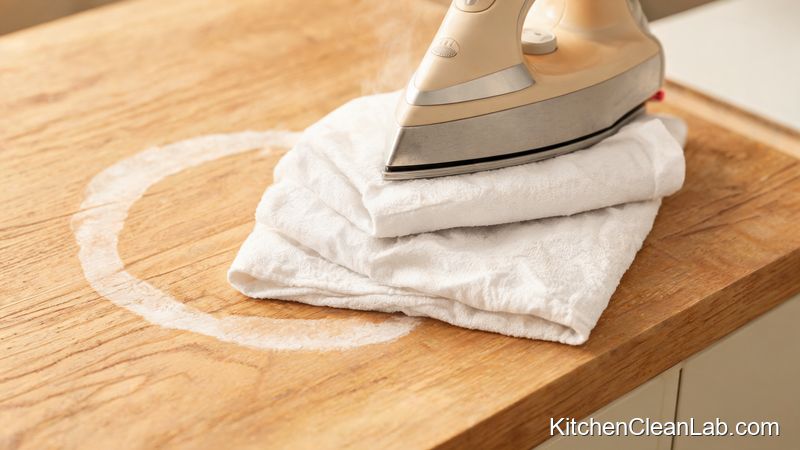
The heat method works best on water rings that are less than a few days old. The heat temporarily thins the finish, allowing trapped water to evaporate through the cloth. For a clothes iron, set it to low or medium with no steam. For a hair dryer, use low or medium heat and keep the nozzle at least 6 inches from the surface.
- Clean the area with a dry cloth to remove dust and grease.
- Fold a plain cotton cloth, flour sack towel, or T-shirt in half and place it over the stain.
- Press the warm iron onto the cloth for 10 seconds, moving it gently in a circular motion.
- Lift the cloth and check the ring. Repeat until the white haze disappears.
- Buff the area with a clean, dry microfiber cloth. Apply a tiny amount of food-safe wood conditioner if the finish looks dull.
Safety warning: Do not use the iron directly on bare wood. Do not use high heat or leave the iron in one place. Heat can soften lacquer, melt wax, or create a new cloudy spot that is harder to remove.
Method 2: Baking Soda Paste for Mild White Rings
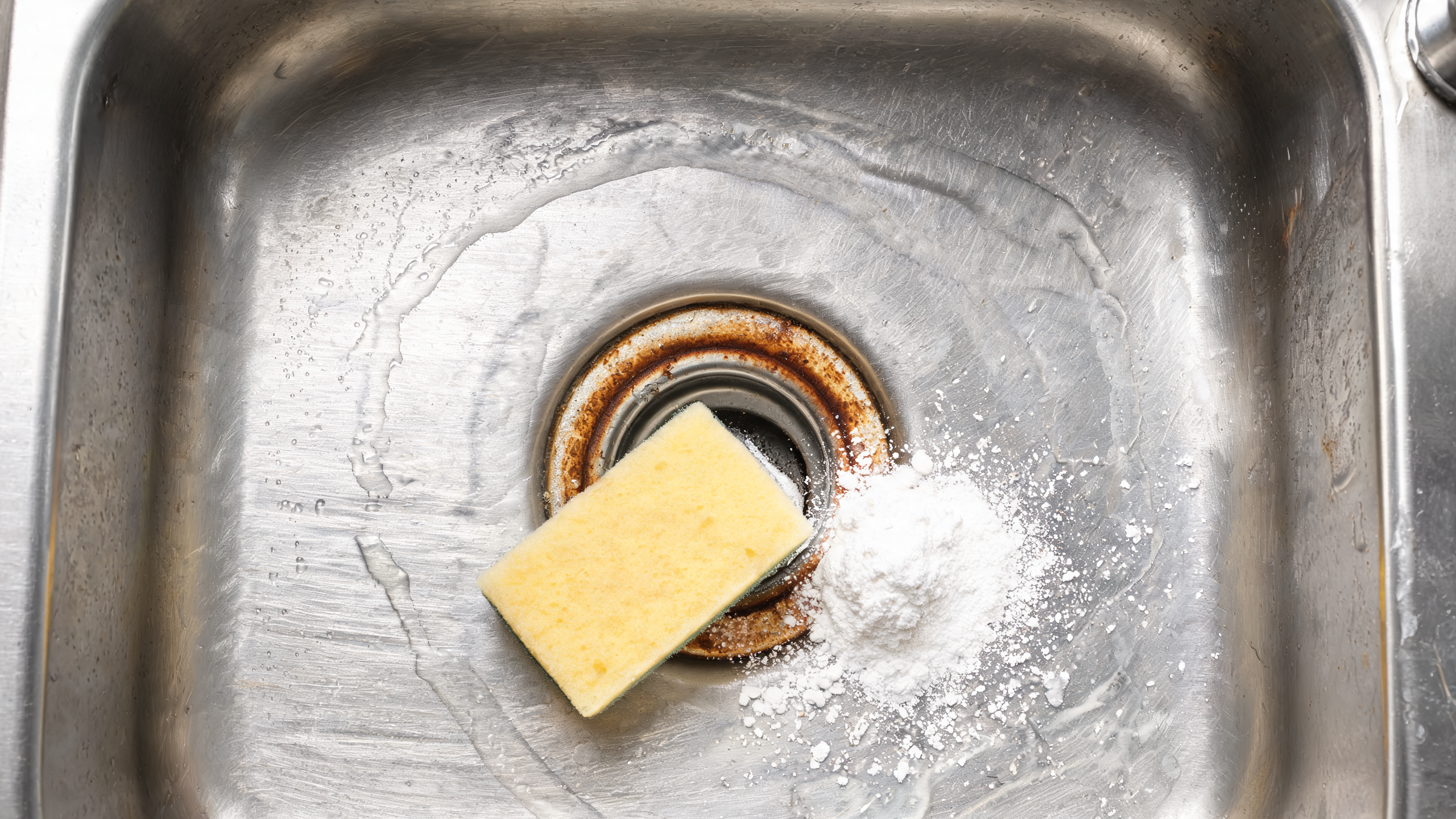
A paste of baking soda and water acts as a very mild abrasive that lifts moisture from the topcoat. Mix two parts baking soda to one part water, rub it gently along the wood grain with a damp cloth, then wipe dry. This works well on shallow white rings and mineral haze.
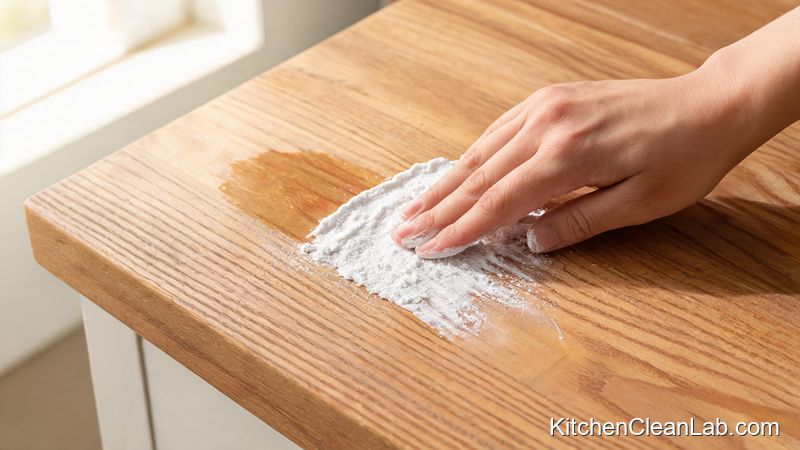
Baking soda is alkaline enough to break down the mineral film left by hard tap water, but fine enough not to scratch most sealed wood surfaces. That said, aggressive rubbing can dull a high-gloss finish. Use light pressure and always wipe off all residue.
- Mix 2 tablespoons of baking soda with 1 tablespoon of water to form a thick paste.
- Dip a damp, soft cloth into the paste.
- Rub the paste over the water ring in the same direction as the wood grain for 1 to 2 minutes.
- Wipe the paste away with a clean, damp cloth.
- Dry immediately and apply a thin layer of food-safe mineral oil or wood conditioner.
For a slightly stronger version, mix baking soda with non-gel, non-whitening toothpaste. Use this only on white rings and not on dark stains, because it can polish the area unevenly.
Method 3: Mayonnaise, Olive Oil, or Petroleum Jelly for Stubborn White Rings
Full-fat mayonnaise, olive oil, or petroleum jelly can displace trapped moisture in oil-based finishes and reduce white rings. Apply a small dab to the mark, leave it for one to two hours, or overnight for deeper rings, then wipe away and clean the surface with mild soap.
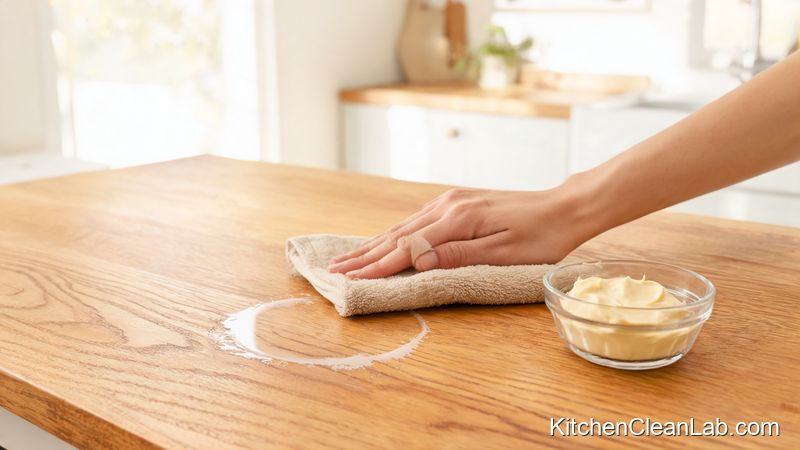
The oil penetrates the finish and replaces the water clouding the top layer. This method is especially useful on butcher block or oil-finished kitchen island tops. However, mayonnaise contains egg and oils, so clean the area thoroughly afterward to prevent food residue or odor.
- Apply a thin layer of full-fat mayonnaise, olive oil, or petroleum jelly directly to the stain.
- Rub it lightly in a circular motion with a clean cloth.
- Leave it on for at least one hour. For older rings, leave it on overnight.
- Wipe away the excess with a dry paper towel.
- Wash the area with a small amount of mild dish soap on a damp cloth, then dry completely.
Comparison of Common White Ring Treatments
| Method | Best For | Time | Risk Level |
|---|---|---|---|
| Low-heat iron or hair dryer | Fresh white rings | 10–15 seconds per pass | Low, with cloth buffer |
| Baking soda paste | Shallow white rings | 2–5 minutes | Low, can dull gloss if over-rubbed |
| Mayonnaise or olive oil | Stubborn white rings on oiled wood | 1–2 hours or overnight | Very low |
| Diluted vinegar | White mineral haze | 5–10 minutes | Moderate, must test first |
| Oxalic acid or sanding | Dark water stains | 1–3 hours plus drying | High, removes finish |
Method 4: Diluted Vinegar for White Mineral Haze
Diluted white vinegar can break down mineral haze left by hard water, but it is mildly acidic. Mix equal parts distilled white vinegar and water, dampen a cloth, and lay it over the stain for a few minutes. Do not let vinegar pool on the wood.
Vinegar works best for rings caused by water that contained minerals or by condensation from glasses. It is not a first-choice method for a high-gloss lacquered kitchen island, because the acid can etch the finish. Always test on a hidden area first.
- Mix 1 part distilled white vinegar with 1 part water.
- Dampen a microfiber cloth and wring it out well.
- Place the cloth over the stain for 5 minutes, pressing gently.
- Remove the cloth and check the mark.
- If needed, sprinkle a little baking soda, then wipe with a clean damp cloth.
- Buff dry and apply a wood conditioner.
How to Fix Dark Water Stains on a Kitchen Island
Dark water stains mean water has reached the raw wood, not just the finish. These marks usually require oxalic acid wood bleach, sanding, and refinishing. Match the surrounding sheen carefully, and use food-safe sealers on an island top that touches food.
Dark stains often appear after a wet towel sits on the surface overnight or after repeated water exposure near the sink. Because the wood fibers have oxidized or picked up tannins, surface cleaners will not remove them. You have two main options:
- Oxalic acid wood bleach: This lightens dark water marks and tannin stains. Wear nitrile gloves, safety glasses, and work in a ventilated area. Mix according to the package directions, apply to the stain, let it dry, and neutralize with clean water. Keep it away from food prep zones until fully rinsed and sealed.
- Sanding and refinishing: Sand the stained area with 120-grit sandpaper, then smooth with 220-grit. Remove dust with a tack cloth, then apply a food-safe finish such as mineral oil, tung oil, hardwax oil, or a food-safe polyurethane. Sand lightly between coats if the finish recommends it.
If the island top has a factory-applied conversion varnish or polyester finish, spot sanding can create an obvious patch. In that case, call a professional wood refinisher or sand the entire island top to ensure an even sheen.
How to Prevent Future Water Rings on a Wood Kitchen Island
Prevention is faster and safer than repair. Use coasters, trivets, and cutting boards on the island surface, wipe spills within seconds, and apply a food-safe wood sealer or conditioner every two to three months. This keeps the finish closed against moisture.
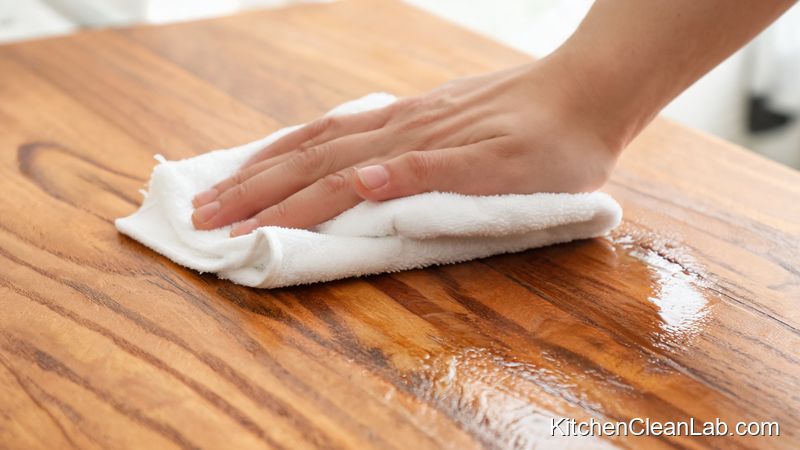
A kitchen island faces more moisture than most furniture because of cooking steam, sink splashes, and condensation from cold ingredients. Create a simple protection routine:
- Keep absorbent mats near the sink and stove. Use them under drying racks and coffee makers.
- Use trivets for hot pans and stoneware. Heat can open the finish and let water in.
- Never let a wet towel sit directly on the wood. Hang it up or place it in a tray.
- Reapply a food-safe oil or wax every 2–3 months. For a film finish, apply a compatible polish or thin maintenance coat.
- Reseal areas around the sink and faucet. The edge grain near a cutting sink is the most vulnerable.
For butcher block and oil-finished islands, use food-grade mineral oil or a blend of mineral oil and beeswax. For polyurethane-finished islands, use a cleaner made for wood and a light polish. Avoid silicone-based furniture sprays near food prep areas.
Common Mistakes That Make Water Rings Worse
Rubbing the stain, using too much heat, applying undiluted vinegar or acetone, and skipping a finish test can turn a shallow white ring into a dull or stripped patch. Work from the gentlest method to the strongest, and never mix cleaners.
- Rubbing instead of blotting: This pushes moisture deeper into the wood grain.
- Soaking the surface with water or vinegar: Adds more moisture and may cause new rings.
- Using undiluted bleach or acetone: Can strip the finish and alter the wood color.
- Sanding too early or too aggressively: Removes the protective film and leaves a visible dip.
- Neglecting to reseal after treatment: Leaves the wood exposed to the next spill.
FAQ: Fixing Water Rings on Wood Kitchen Island Tops
Can toothpaste remove water rings on wood kitchen islands?
Yes, a small dab of non-gel, non-whitening toothpaste mixed with baking soda can work as a very mild abrasive on white rings. Rub along the grain, wipe the residue away, and apply a food-safe wood conditioner. Avoid whitening toothpaste, which can leave fine scratches or uneven bleaching.
Does mayonnaise really remove white water stains from wood?
Full-fat mayonnaise can help remove finish-level white rings by displacing trapped moisture and adding temporary oil. Let it sit for one to two hours, wipe it away, then wash with mild soap and water to avoid food residue on a kitchen surface.
How do you tell if a water stain is permanent?
White or cloudy rings are usually reversible because the moisture is still in the finish. Dark brown, black, or gray stains have reached the wood fibers and may require oxalic acid, sanding, or professional refinishing. If a white ring does not lift after several gentle methods, the finish may be damaged.
Is WD-40 safe for water rings on a kitchen island top?
WD-40 can sometimes lighten very mild surface haze, but it leaves an oily residue and is not food-safe for surfaces that touch food. Instead, use food-grade mineral oil, a dedicated white ring remover, or low heat with a cloth buffer.
Final Word on Water Ring Repair
The fastest safe fix for a water ring on a wood kitchen island is low heat or a baking soda paste. For old white rings, move to oil treatments. Dark stains call for sanding or oxalic acid. After any repair, reseal the surface and wipe the island dry after every use.
Water rings are rarely permanent, but they do require patience. The wrong aggressive method can leave a dull spot or strip the finish. Test in an inconspicuous area, work along the grain, and keep food-safe products on hand. With a consistent sealing schedule and a few coasters near the prep area, your kitchen island can stay clean and glossy even in a busy household.