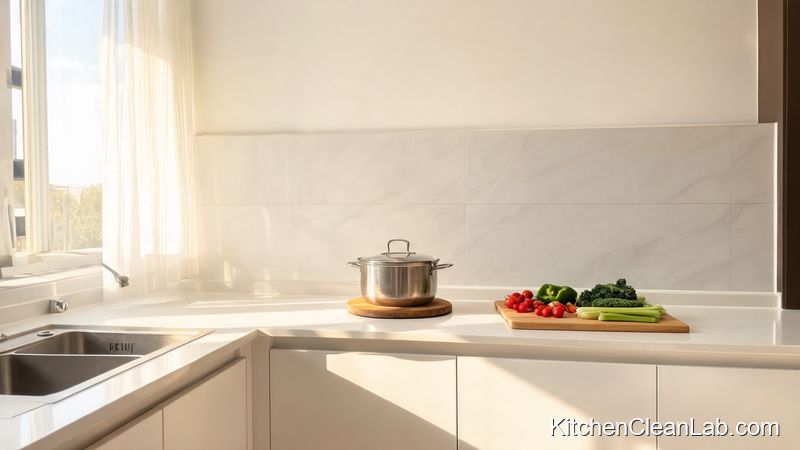
Why Grease Builds Up on Kitchen Walls and Wallpaper
Direct answer: Cooking oil vaporizes, travels with steam, and condenses on cooler walls and wallpaper. Textured paint, vinyl coatings, and unsealed paper grab the microscopic droplets. Dust then sticks to the residue, and heat ages it into a yellow, tacky film that becomes harder to remove.
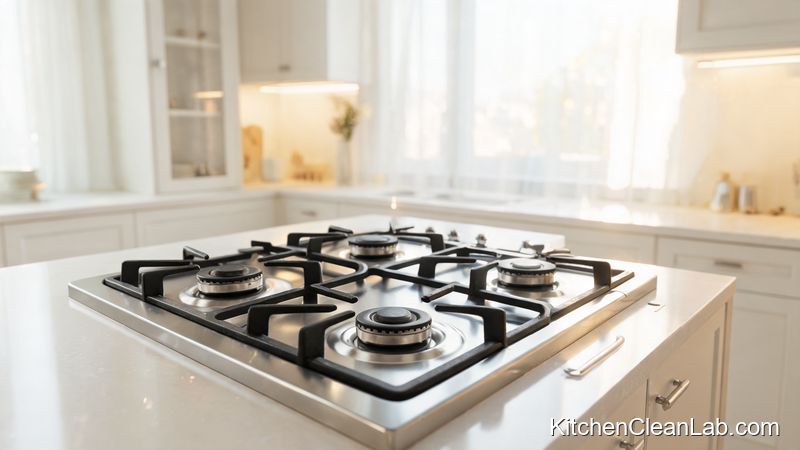
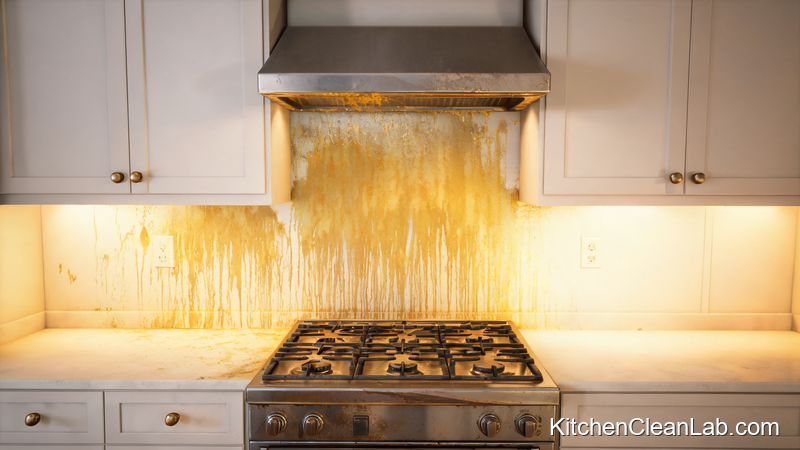
The area directly behind and above the cooktop is the biggest collection zone, but grease does not stay there. As hot oil splatters and steam carries oils into the kitchen air, those particles drift to nearby walls, cabinets, ceiling corners, and wallpaper seams. Flat and matte paint finishes hold grease tightly because they are more porous. Semi-gloss and satin finishes resist grease better, but they still develop a hazy film after repeated frying, searing, or cooking without an exhaust fan.
Wallpaper is especially vulnerable because embossed patterns, vinyl surface texture, and seams allow oily air to settle. Once grease binds with airborne dust, it polymerizes under heat and becomes the sticky amber coating that no longer responds to plain water. This is why a quick dry wipe alone rarely solves the problem after buildup has started.
Safety First: Ventilation, Gloves, and Patch Testing
Direct answer: Open windows and run the exhaust fan before using degreasers. Wear nitrile or rubber gloves to avoid contact with oils and cleaning agents, and always patch-test cleaner on a hidden area. This protects paint, wallpaper layers, stone grout, and your respiratory system.
Cleaning grease is safe when you control airflow and chemical contact. Open a window, turn on the range hood, and keep the kitchen ventilated until surfaces are dry. Wear nitrile gloves because old cooking oil is rancid and commercial degreasers can strip skin oils or irritate cracked hands. If you use any stronger product, follow the label instructions for proper ventilation and protective gear.
- Never mix ammonia with bleach or acid-based cleaners. The fumes are dangerous.
- Avoid using trisodium phosphate (TSP) on painted walls unless you plan to repaint. It is corrosive and can damage finishes.
- Always test a hidden spot: behind the range, inside a closet corner, or at the lower edge of wallpaper.
- Use a sturdy step ladder instead of climbing onto counters. Drips can make floors slippery.
- If the wallpaper is old or already lifting, stop and let a professional evaluate it before applying moisture.
Materials and Tools You Need
Direct answer: Most greasy walls come clean with warm water, a non-abrasive sponge, microfiber cloths, white vinegar, baking soda, clear dish soap, and cornstarch for wallpaper. A mop or stepladder is safer than stretching; drop cloths protect counters and floors from drips.
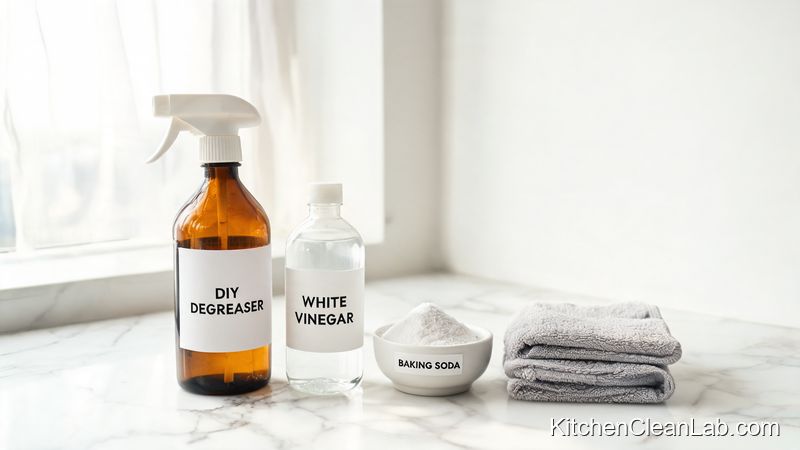
You do not need a cabinet full of specialty products to remove kitchen grease. The best setup is a small caddy with reusable cloths so you can clean more often. Keep the following items ready:
- Microfiber cloths for wiping and polishing
- Non-scratch sponges or soft scrub brushes
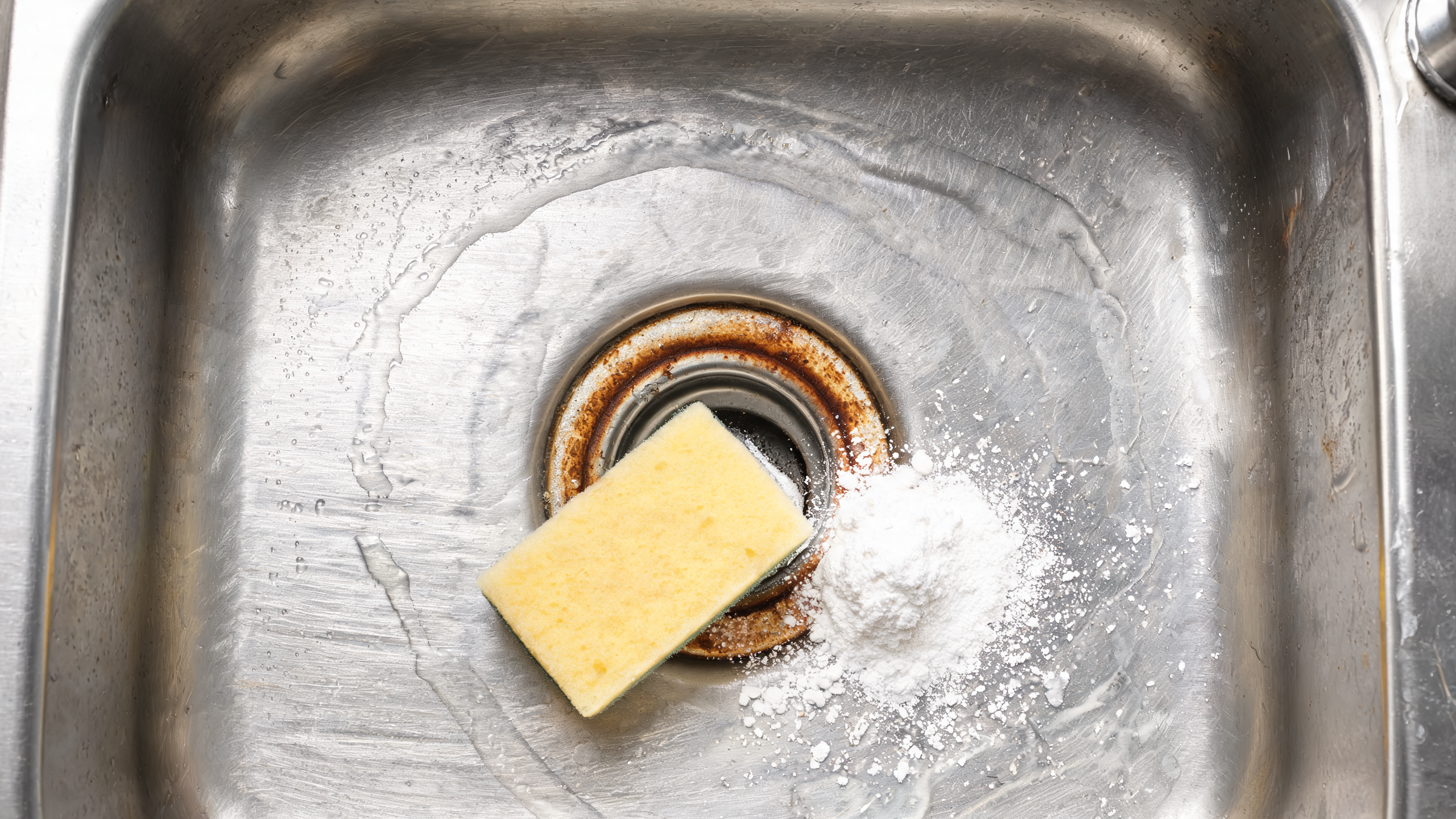
- White vinegar and baking soda
- Clear liquid dish soap without heavy fragrances
- Cornstarch for wallpaper-safe grease lifting
- Warm water in a clean bucket or spray bottle
- Drop cloths or old towels for counter and floor protection
- Nitrile gloves and a stable step ladder
How to Clean Grease off Painted Kitchen Walls
Direct answer: For latex or oil-painted walls, use a solution of 1/2 cup white vinegar, 1/4 cup baking soda, and 1 gallon warm water. Sponge it on, wipe the grease, rinse with clean water, and pat dry. For high-gloss or delicate paint, replace baking soda with clear dish soap.
Painted walls handle grease best when you use light pressure and the right dilution. Flat paint can lose pigment or appear shiny if scrubbed too hard. High-gloss paint scratches more visibly from abrasive powders. Always use a soft cloth, and if the wall has heavy texture, use a soft-bristle brush or a sponge with a gentle scrubbing side.
- Dust the wall with a dry microfiber cloth or a vacuum brush attachment to remove loose debris.
- Spot-test the cleaner in an inconspicuous area, such as behind the range hood.
- Mix 1/2 cup white vinegar, 1/4 cup baking soda, and 1 gallon warm water in a bucket.
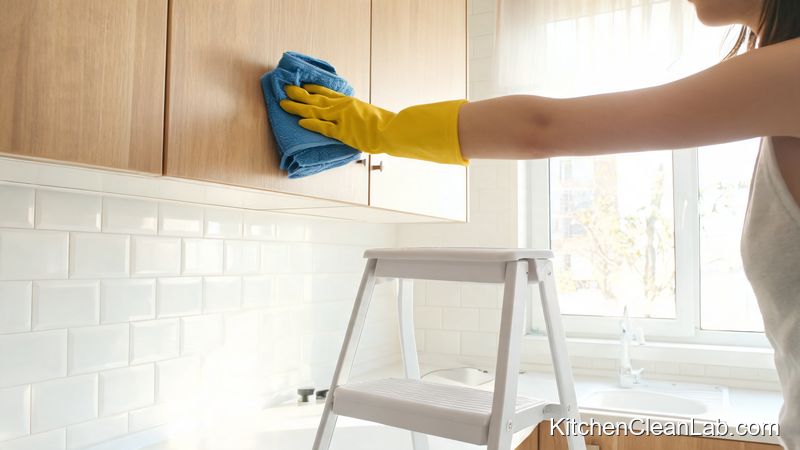
- Dampen a non-scratch sponge, wring it well, and wipe from the bottom upward to avoid streaks and drips running through dirty areas.
- Let the solution sit for one minute, then wipe with a clean damp cloth.
- Rinse with fresh water and dry with a soft towel to prevent water spots.
If the film remains sticky, use a non-toxic commercial degreaser such as Simple Green All-Purpose Cleaner diluted at 1 ounce per 2 cups warm water. Spray it onto a cloth or sponge, not directly onto the wall, to reduce drips.
How to Remove Grease from Wallpaper Without Ruining It
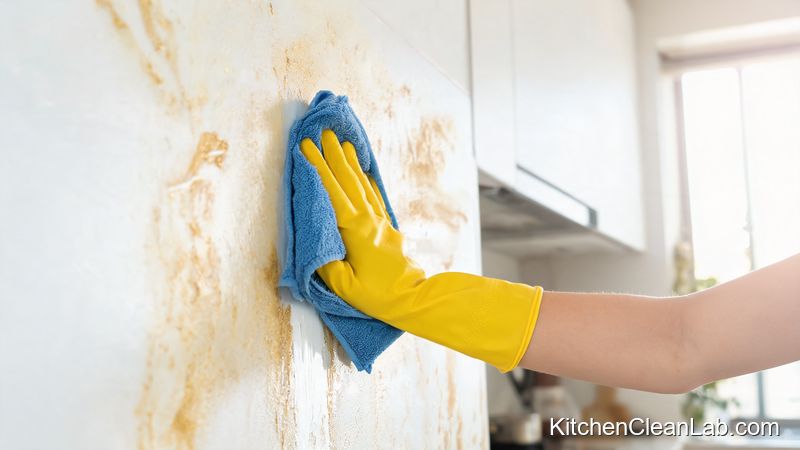
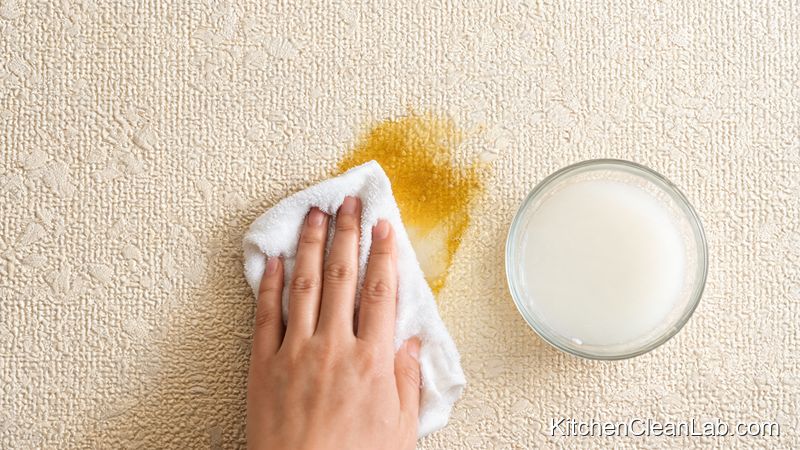
Direct answer: Start with cornstarch water: mix 1 tablespoon cornstarch into 1 cup cold water. Blot greasy spots gently—never scrub. For washable vinyl wallpaper, follow up with a mild dish soap solution. For untreated paper, use only the cornstarch mix and dry immediately.
Wallpaper is the most delicate surface in the kitchen because water can loosen adhesive and cause seams to lift. Before cleaning, determine whether the paper is washable, scrubbable, spongable, or non-washable. If the manufacturer label is unavailable, test a hidden seam with a damp cloth. If the paper darkens or bubbles, stop immediately and use only dry methods or call a professional.
- Dust the wallpaper with a soft brush or dry microfiber cloth.
- Mix 1 tablespoon cornstarch into 1 cup cold water. Shake or stir well.
- Spray the solution lightly onto a clean cloth, not directly onto the paper.
- Blot the greasy area and let the cornstarch sit for one to two minutes.
- Gently wipe with a clean damp cloth if the paper is washable. For non-washable paper, blot only.
- Dry immediately with a soft, absorbent towel. Never over-saturate wallpaper.
Warning: Too much water causes bubbling, seam lifting, and adhesive failure. Do not use strong degreasers unless the label expressly states that the product is safe for wallpaper.
Cleaning Grease from Tile, Wood, and Stainless Steel Backsplashes
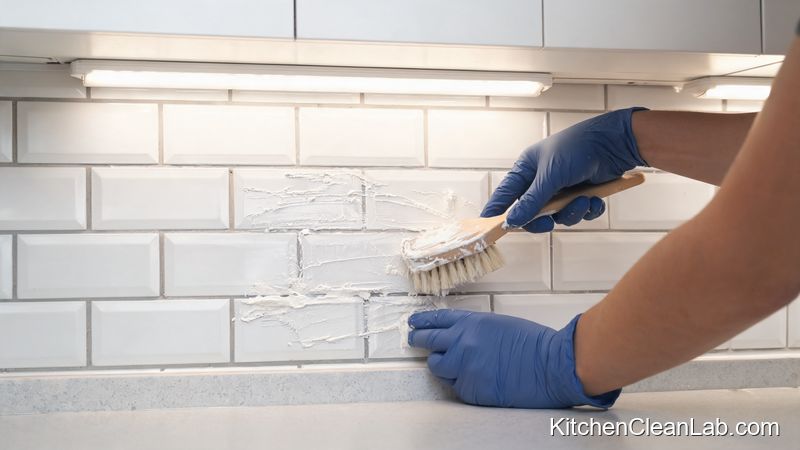
Direct answer: Tile responds to baking soda paste and gentle scrubbing. Wood needs a damp, not wet, cloth with a mild vinegar-and-oil solution wiped in the grain direction. Stainless steel prefers diluted vinegar sprayed and wiped with the grain using a microfiber cloth.
Different kitchen surfaces need different chemistry. Use the following guide as a quick reference, but always test a small spot first.
| Surface | DIY Cleaner | Method |
|---|---|---|
| Ceramic or porcelain tile | Baking soda paste | Apply, let sit 10 minutes, scrub grout and tile, rinse |
| Sealed wood panels | 2 cups warm water + 2 tbsp white vinegar + 2 tbsp olive oil | Damp cloth, wipe with grain, buff dry |
| Stainless steel backsplash | 1 part white vinegar to 2 parts water | Spray, rest 2 minutes, wipe with grain using microfiber |
| Glass backsplash | Vinegar-water spray | Spray, wipe with clean microfiber, dry |
For tile, focus extra attention on grout lines because they hold grease and can turn yellow. Use a soft brush and baking soda paste rather than a metal scraper. For wood, never soak the surface. The olive oil in the mixture adds a light polish, but the cloth should feel damp, not dripping. For stainless steel, always wipe in the direction of the grain to avoid streaks. If the tile is unsealed stone or porous grout, skip vinegar and use a pH-neutral non-toxic stone cleaner to avoid etching.
Step-by-Step Non-Toxic Degreasing Routine
Direct answer: A reliable all-surface routine is to dry-dust, apply a test-patched degreaser from bottom to top, wait 1–2 minutes, wipe with a barely damp cloth, rinse thoroughly, and dry. Always start with mild solutions and run the range hood during and after the process.
This routine works for most sealed kitchen surfaces and prevents grease from hardening between deep cleanings. Use it every few weeks or after heavy cooking.
- Protect countertops, floors, and nearby appliances with drop cloths or old towels.
- Dust walls, cabinet tops, and trim with a dry microfiber cloth or vacuum brush.
- Choose the correct cleaner for each surface and patch-test it.
- Spray cleaner onto a cloth rather than the wall to control moisture.
- Wipe from bottom to top, overlapping sections to avoid missing spots.
- Let the cleaner dwell for one minute, but do not let it dry on the surface.
- Rinse with a clean damp cloth, then dry with a separate towel.
- Inspect under bright light or from a side angle to catch missed greasy patches.
Common Mistakes That Worsen Grease Stains
Direct answer: Scouring pads, bleach, undiluted TSP, ammonia, and over-wetting wallpaper cause more damage than grease. Using a dirty sponge spreads the oil around, and cleaning top-down pushes drips through already-cleaned areas. Always work bottom-up and switch rinse water frequently.
- Using abrasive scrubbers on high-gloss or matte paint, which creates permanent dull spots and micro-scratches.
- Spraying cleaner directly onto wallpaper or letting liquid pool at the seams.
- Mixing vinegar with castile soap or bleach, which can neutralize the cleaner or produce hazardous fumes.
- Skipping the patch test on colored wallpaper or custom paint finishes.
- Allowing degreaser to dry on the wall, which can leave sticky or chalky residue behind.
- Using dirty rinse water that redistributes grease instead of removing it.
How to Prevent Grease from Sticking to Kitchen Walls
Direct answer: Run the range hood before, during, and after cooking. Wipe the backsplash and wall behind the cooktop weekly with a damp microfiber cloth. Use splatter screens when frying, and cover pans. A light monthly degreasing prevents hard yellow film from forming.
- Use a range hood or exhaust fan every time you cook, not just when frying.
- Clean range hood baffle filters monthly so they keep capturing airborne grease.
- Keep lids on simmering pots and use a splatter screen for pan frying.
- Wipe the wall behind the cooktop with a damp microfiber cloth after each heavy cooking session.
- Choose washable, semi-gloss paint or an acrylic panel behind the range if you are remodeling.
- For wallpaper near the range, use a cornstarch spray quarterly and dry immediately.
Frequently Asked Questions About Cleaning Grease off Walls and Wallpaper
Direct answer: The right cleaner depends on whether the surface is painted, wallpapered, tiled, wood, or stainless. Most home kitchens respond well to diluted vinegar, dish soap, baking soda paste, or non-toxic all-purpose degreasers—provided you patch-test and avoid over-wetting porous wallpaper.
Can I use vinegar to clean greasy kitchen walls?
Yes on painted walls, sealed tile, glass, and stainless steel. Dilute one part white vinegar in two parts water for general degreasing, or use the 1/2-cup vinegar per gallon mix for painted walls. Avoid white vinegar on unsealed stone and grout because the acid can etch porous surfaces.
What is the best homemade degreaser for kitchen walls?
A mixture of warm water, white vinegar, and a few drops of clear dish soap is often the best all-around choice. For stubborn spots on durable paint or tile, add baking soda as a gentle abrasive paste. For wallpaper, cornstarch water is safer than vinegar or soap.
How do I get old yellow grease stains off wallpaper?
Blot the stain with cornstarch water and let it sit for a minute. If the wallpaper is washable, use a mild soap and water solution, then dry immediately. Old yellow stains may require several light passes. Never scrub paper, and avoid commercial degreasers unless the label says wallpaper-safe.
Will baking soda scratch painted walls?
Baking soda can dull or micro-scratch high-gloss or matte paint if used as a dry powder or scrubbed hard. Dissolve it fully in warm water for painted walls, use a soft cloth, and test in an inconspicuous spot. For delicate paint, skip baking soda and use dish soap or a non-toxic liquid degreaser.
Final Takeaway: Work With the Surface, Not Against It
Direct answer: The safest approach is to match cleaner to the surface, test first, apply gentle pressure, and dry thoroughly. Frequent light cleaning after cooking prevents grease from hardening into sticky, odorous buildup. Run your range hood and always keep rinse water clean for streak-free results.
Grease on kitchen walls and wallpaper is manageable when you stop treating every surface the same. Painted walls tolerate gentle degreasers, wallpaper demands blotting, wood needs polishing, and tile benefits from a paste. The real secret is prevention: exhaust ventilation, splatter screens, and a 60-second wipe-down after frying or searing. Keep a non-toxic spray bottle and a microfiber cloth near the stove, and you will never need an aggressive chemical deep clean again.