Why Matte Black Kitchen Hardware Scratches So Easily
Direct answer: Matte black kitchen hardware scratches more visibly because the dark, non-reflective surface reveals micro-abrasions, water spots, and cleaner residue that chrome would hide. The black color is usually a thin PVD or powder-coated layer, so aggressive cleaning quickly cuts through it.
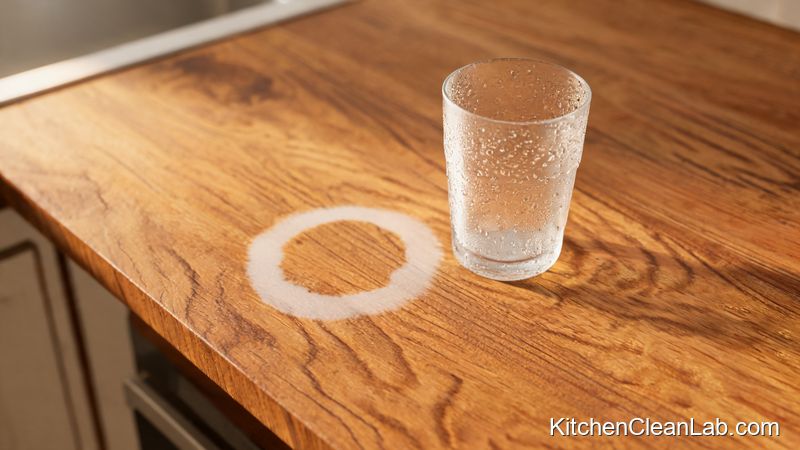
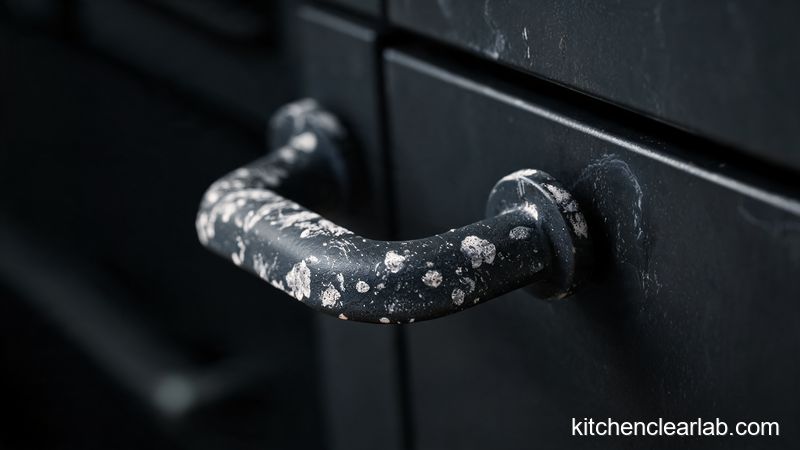
Matte black faucets, drawer pulls, and cabinet handles rely on an engineered surface treatment rather than thick paint. PVD, or physical vapor deposition, bonds a very hard but thin color layer to the metal. Powder coating creates a thicker shell but can still be dulled by solvents and scrub pads. Black stainless steel has a tinted topcoat, and black oxide on small fasteners is even thinner. In daily use, the matte texture hides fingerprints better than polished chrome, but it amplifies hard-water mineral films. Once a white calcium ring forms, many people scrub harder, which is exactly how scratches begin.
Understanding the finish changes the cleaning strategy. Instead of relying on strength, the safest method is to remove soils while they are still soft and to avoid any tool or chemical that can erode the top layer. If you do not know the exact finish, check the manufacturer care sheet or test on a hidden section before using any product.
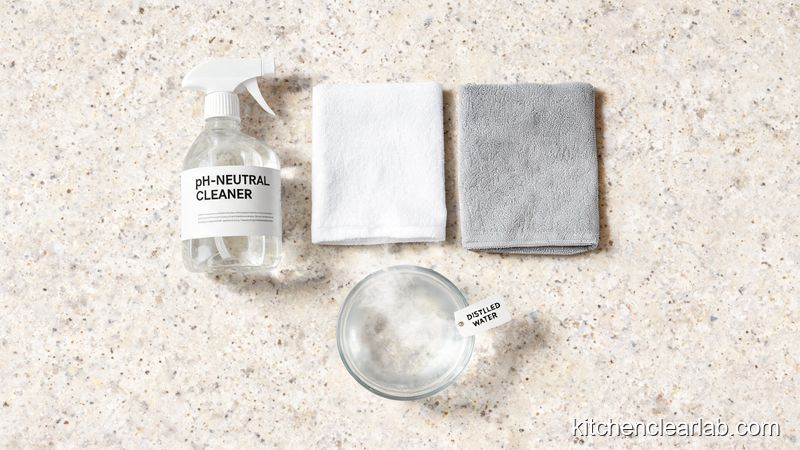
Before starting, set up a dedicated cleaning kit. It should include three microfiber cloths, a spray bottle with distilled water, a small bowl, and a pH-neutral cleaner. This prevents using the same rag from the garage or a dish sponge that has been scrubbing pots.
The Daily and Weekly Routine That Prevents Scratches
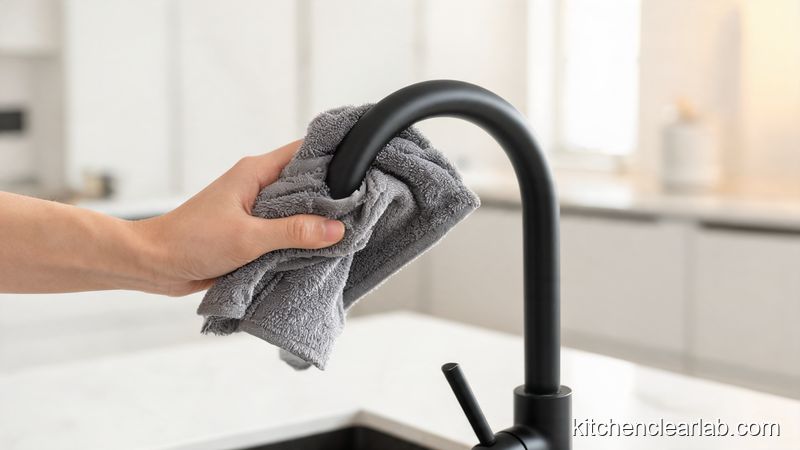
Direct answer: Wipe matte black hardware dry after each use with a clean microfiber cloth, then wash it weekly with warm water and a few drops of mild dish soap. This prevents mineral rings and grease film without abrasive tools or harsh sprays.
The most important habit is to stop water from air-drying on the surface. Tap water contains calcium and magnesium. When a droplet evaporates on a dark faucet, those minerals harden into a white ring. A dry microfiber cloth kept near the sink takes about ten seconds to remove the water. Pay attention to the base of the faucet, the edges of cabinet pulls, and any seam where water can pool.
Once a week, clean all kitchen hardware with a low-residue solution. Fill a bowl with two cups of warm distilled or filtered water and add two drops of pH-neutral dish soap. Avoid soaps with added bleach, citrus degreasers, or moisturizers. Dampen one cloth in the solution and wring it out until it is not dripping. Wipe every surface in straight lines, following the shape of the fixture rather than scrubbing in circles. Then go over the hardware with a second cloth dampened in clean water, and finish by buffing completely dry with a third soft cloth.
- Daily: Dry the faucet, handles, and pulls after cooking or washing dishes.
- Weekly: Wash with warm water and two drops of pH-neutral dish soap.
- Monthly: Inspect bases, crevices, and mounting plates for white scale or sticky film.
- Only when needed: Use a 1:1 distilled water and white vinegar solution for stubborn mineral spots.
Step-by-Step: How to Clean Matte Black Kitchen Hardware
Direct answer: Use two clean microfiber cloths, warm distilled water, and mild dish soap or a dedicated pH-neutral cleaner. Spray the cloth instead of the hardware, wipe gently in straight lines, rinse, and dry immediately to avoid spotting and scratches.
- Clear and inspect the area. Remove rings, watches, or any jewelry that could scrape the surface. Check that your cloths are clean and have not been washed with fabric softener, which leaves streaks and reduces absorbency.
- Mix a mild cleaning solution. Combine two cups of warm distilled water with two drops of Dawn or another gentle dish soap. For a ready-to-use option, choose a spray labeled pH-neutral and free of bleach, ammonia, or acid.
- Dampen the cloth, not the hardware. Spray or dip one microfiber cloth, then wring it out thoroughly. Excess liquid can run into hinges, screw holes, or the base of a pull, causing concealed corrosion or mineral deposits.
- Wipe in straight lines. Start at the base and move toward the tip or handle end. For cabinet pulls, wipe the face, sides, and mounting area. Use the same direction as the surface grain if one is visible.
- Rinse with a second damp cloth. Go over all cleaned areas with a microfiber cloth dampened only with clean distilled water. This removes any soap residue that could attract dust or create a hazy film.
- Buff dry immediately. Use a fresh, dry microfiber cloth. Continue buffing until the surface is completely dry and has an even matte appearance. Do not let it air-dry.
- Spot-check before moving on. Look at the hardware under light from different angles. If you see hazing or faint spots, repeat the rinse and dry step.
For deep crevices around handles or bases, use a lint-free microfiber finger cloth or a soft foam swab. Do not use toothbrushes or bristle brushes unless the bristles are extremely soft and the fixture instructions allow it. Steam cleaning can be safe for mineral buildup, but it should be followed by wiping and drying, and the steam wand should never be held directly against the finish.
Safety note: If you use diluted vinegar for descaling, open a window or run the exhaust fan. Wear nitrile gloves if you have sensitive skin, and never mix vinegar with bleach or hydrogen peroxide cleaners. Store all cleaning products away from food prep surfaces after use.
Removing Hard Water Stains, Grease, and Soap Scum Safely
Direct answer: For hard water spots, start with warm water and mild soap. If scale remains, use a 1:1 mix of distilled water and white vinegar on a damp cloth, let it sit for 60 seconds, then wipe gently, rinse, and dry completely.
Hard water stains on matte black kitchen hardware are alkaline mineral deposits. A short acid dwell time breaks the bond without eating the finish, but stronger limescale removers are too aggressive. Keep the vinegar solution off surrounding stone or colored grout, and never soak the hardware. If the stain is greasy from cooking, use a degreasing dish soap like Dawn before trying vinegar. For soap scum, the weekly dish soap routine usually removes it because the residue has not had time to harden.
| Problem | Safe First Treatment | Recommended Tool | Avoid |
|---|---|---|---|
| White water spots or mineral rings | 1:1 distilled white vinegar and water on a damp cloth | Soft microfiber towel | Undiluted vinegar, steel wool, scouring powder |
| Grease film near cooktop | Warm water with mild degreasing dish soap | Lint-free microfiber cloth | Oven cleaner, citrus degreasers, scrub pads |
| Soap scum around faucet base | Warm water with pH-neutral dish soap | Damp microfiber or soft foam pad | Bathroom acid sprays, magic eraser |
| Dust and light fingerprints | Dry microfiber buff | Clean microfiber cloth | Furniture polish or oil |
If you use a steam cleaner, fit it with a pointed wand and keep the nozzle a couple of inches from the surface. Steam can soften mineral scale and greasy film, but it also creates heat and moisture. Follow immediately with a dry microfiber buff so the moisture does not create new spots.
Cleaners and Tools That Scratch Matte Black Kitchen Hardware
Direct answer: Do not use magic erasers, melamine foam, scouring pads, powdered cleansers, bleach, or acid-based limescale removers. These create micro-scratches or strip the thin black layer and expose bright metal underneath.
Melamine foam and magic erasers are often marketed as gentle, but they work like ultra-fine sandpaper. On a matte black finish, that micro-abrasion changes the sheen and leaves a permanent shiny or dull patch. Scrub brushes and green scouring pads are worse. Powdered cleansers such as Comet or Bar Keepers Friend can scratch even PVD. Bleach and most bathroom sprays contain oxidizers or acids that can fade or mottle powder coating. Citrus-based degreasers can be too strong for black oxide fasteners and some lower-cost black hardware.
A simple rule is to treat matte black kitchen hardware like a car finish: if you would not use the product on a matte black car wrap or matte painted trim, do not use it on the faucet or cabinet pull. Safe products are mild dish soap, distilled water, diluted white vinegar for occasional descaling, and pH-neutral cleaners specifically formulated for finished metal.

Common mistakes to avoid include leaving dish soap to dry on the surface, using one cloth for both washing and rinsing, and reusing a dirty cloth that has picked up grit. Fabric softener and dryer sheets leave a waxy film, so wash drying cloths separately with a small amount of free-and-clear detergent and skip the softener.
How to Protect PVD and Powder-Coated Finishes for Years
Direct answer: The best long-term protection is to keep matte black hardware dry, clean it with pH-neutral soap, and avoid hard scrubbing. Only apply a compatible matte-safe protectant or wax if the manufacturer explicitly permits it.
PVD finishes are extremely hard but thin. They resist corrosion and scratches better than standard lacquer, but they still show damage when abrasive particles are rubbed across the surface. Powder-coated kitchen hardware is thicker but can be softened by solvents and strong alkaline cleaners. In kitchens near steam, grease, and hard water, the finish lasts longest when you remove those residues before they cure. Rinsing and drying after each weekly wash is more important than adding a coating.
Some installers suggest carnauba wax or a ceramic coating for added protection. This can work on smooth powder-coated metal, but it is not always right for matte finishes. Wax may make the matte surface blotchy or glossy. If you decide to try a protectant, use a product labeled safe for matte or satin finishes and test it on the back of a cabinet pull or an inconspicuous spot. Wait 24 hours and check for color change, gloss change, or streaking before treating the visible areas.

A realistic schedule is daily drying, weekly washing, monthly inspection, and descaling only when white spots actually appear. This is less work than replacing hardware or living with a patchy faucet.
Frequently Asked Questions About Matte Black Kitchen Hardware
Can I use vinegar to clean matte black kitchen hardware?
Yes, but only as a diluted rinse for mineral spots. Mix one part distilled white vinegar with one part distilled water, apply it to a damp microfiber cloth, and let it sit on the stain for no more than 60 seconds. Rinse with clean water and dry immediately. Undiluted vinegar or prolonged contact can dull the finish on lower-quality black hardware.
What is the safest cloth for matte black faucets?
A clean, high-quality microfiber cloth is safest because it lifts oil and grit without scratching. Use a cloth that has not been washed with fabric softener. Keep separate cloths for washing, rinsing, and dry buffing so you do not rub mineral residue back into the surface.
How do I remove scratches once they appear?
Most visible scratches on matte black hardware cannot be fully repaired without changing the matte sheen. Polishing compounds will make the area shiny. If the scratch is shallow, a manufacturer-approved touch-up product may help. For deep scratches that expose bright metal, replacement of the handle or faucet part is usually the cleanest fix. Prevention is less expensive.
Does matte black kitchen hardware show fingerprints?
Matte black hides fingerprints better than polished chrome or brushed nickel, but cooking oil and hand lotion can still leave a sheen on dark surfaces. A weekly wash with mild degreasing dish soap and a dry microfiber buff keeps the finish even without changing the matte texture.
A Scratch-Free Routine Worth Keeping
Matte black kitchen hardware does not need a complicated maintenance kit. It needs the right pressure, the right cloth, and enough consistency to stop water and grease from hardening on the surface. The finish stays clean and scratch-free when you wipe dry after each use, wash weekly with a pH-neutral solution, and reserve diluted vinegar only for visible mineral buildup. Keep abrasives off the surface, avoid harsh sprays, and always finish with a dry buff. That simple sequence protects the deep black color and keeps the kitchen looking calm and precise.