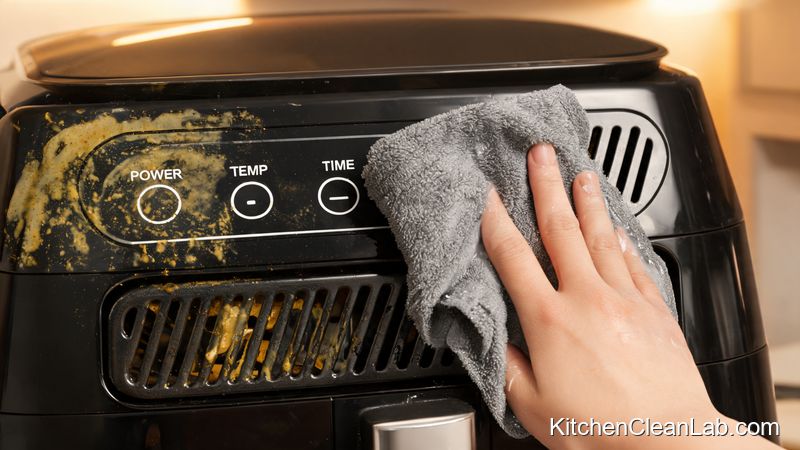
Why Deep Cleaning the Instant Pot Lid and Silicone Ring Is Non-Negotiable
Quick answer: The lid traps food spatter, moisture, and aromas inside the steam release valve, anti-block shield, float valve, and silicone sealing ring. If you only rinse the surface, spoiled residue and odors build up and compromise your next dish.
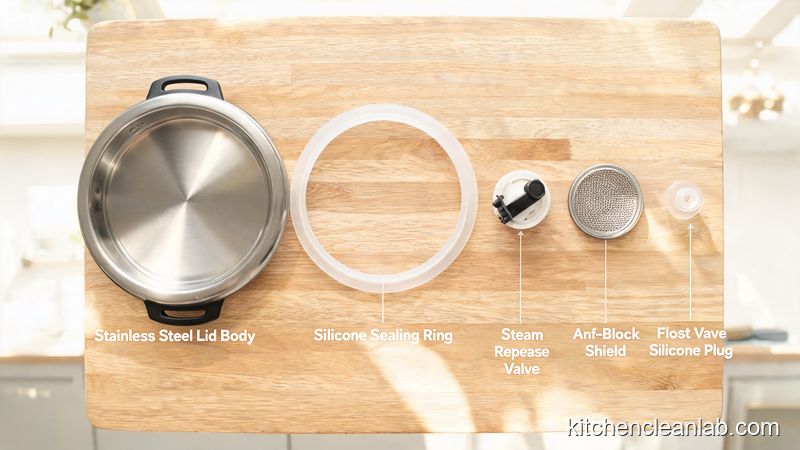
The Instant Pot lid is more complex than it looks. In addition to the stainless steel body, it houses a silicone sealing ring, a steam release valve, an anti-block shield, and a float valve. During pressure cooking, fat, starch, and aromatic compounds are forced into these small gaps. The silicone ring absorbs volatile oils from onions, curry, broth, and tomato sauce, which is why your vanilla cheesecake can sometimes smell like last night's chicken curry.
Ignoring this buildup is not just a flavor issue. Sticky residue can interfere with the float valve movement, reduce the sealing ring's ability to maintain pressure, and create a breeding ground for bacteria and mold in damp crevices. A consistent deep-cleaning routine protects both your food and the lifespan of the lid.
How Often Should You Deep Clean the Lid and Ring?
Quick answer: Rinse and dry the lid after every cook, but perform a full lid disassembly and deep clean every 15–30 uses. If you cook highly aromatic dishes, deep clean the silicone ring immediately to prevent odor transfer.
Your daily routine can be simple: wash the inner pot, wipe the lid rim and exterior, and let everything air dry. However, the hidden areas inside the lid need scheduled attention. Home cooks who make curry, bone broth, chili, or fried chicken should deep clean more often—roughly twice a month. If you mostly cook eggs, rice, or plain grains, a monthly deep clean may be enough.
Watch for these signs that a deep clean is overdue:
- The sealing ring smells even after a quick rinse.
- The steam release valve feels tacky or does not move freely.
- You see oil streaks or food flakes around the anti-block shield.
- There is condensation or liquid inside the lid channel after cooking.
Tools and Cleaning Agents You'll Need
Quick answer: You only need warm soapy water, distilled white vinegar, baking soda, a soft-bristle brush, microfiber cloths, and a small brush or cotton swabs. Avoid bleach, abrasive sponges, and oven cleaners on the lid and silicone ring.
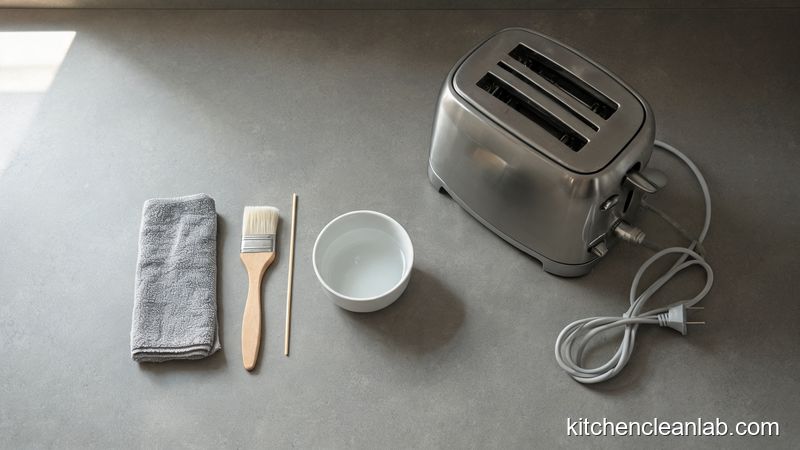
Use a simple, food-safe kit. Harsh cleaners can degrade the silicone or leave chemical odors in the lid. Gather these items before you begin:
- Liquid dish soap — standard grease-cutting formula is fine.
- Distilled white vinegar — neutralizes odors and dissolves mineral residue.
- Baking soda — optional paste for stubborn greasy film.
- Soft-bristle brush or old toothbrush — for valve channels and the anti-block shield.
- Microfiber cloths — non-scratch cleaning and drying.
- Foam brush or cotton swabs — for the cooker rim groove and lid edges.
- Lemon peels or lemon juice — optional natural deodorizer.
Do not use steel wool, scouring powder, bleach, ammonia, or oven cleaner on the lid, sealing ring, or plastic parts. If you need to restore the stainless steel inner pot, use a product like Bar Keepers Friend separately, but keep it away from the silicone ring.
Step-by-Step: How to Deep Clean an Instant Pot Lid
Quick answer: Unplug the cooker, remove the lid, and disassemble the sealing ring, steam release valve, anti-block shield, and float valve plug. Wash everything in warm soapy water, clean the rim groove, dry all components fully, and reassemble.
Follow this order to avoid lost parts and to make sure every groove is cleaned. Work over a clear counter or a large bowl so small parts do not fall into the sink.
Step 1: Unplug and Disassemble the Lid Safely
Make sure the Instant Pot is unplugged and completely cool. Remove the lid from the base. Pull the steam release valve straight up and set it aside. Gently work the silicone sealing ring out from the wire rack inside the lid. Do not yank it aggressively; silicone can stretch if forced.
Next, remove the anti-block shield by pushing it sideways with your thumb until it pops off. On most models, this is the small metal or plastic cover near the float valve. Finally, remove the silicone plug from the bottom of the float valve if your model has one. Place all small pieces in a bowl so nothing rolls away.
Step 2: Wash the Lid Body and Small Parts
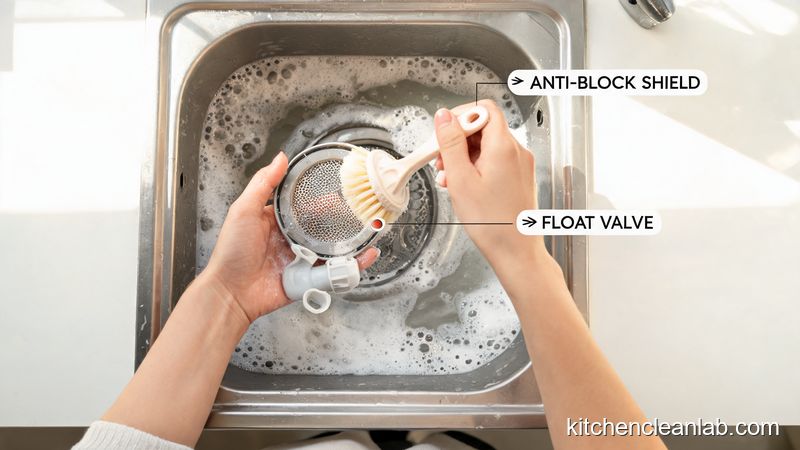
Fill a clean sink or basin with warm water and a few drops of liquid dish soap. Wash the lid body by hand, using a soft cloth to wipe the interior, exterior, and the channel where the sealing ring sits. Use a soft-bristle brush for the steam release hole and the float valve opening.
Clean the small parts separately. Soak the sealing ring, steam release valve, anti-block shield, and float valve plug in the soapy water for 5–10 minutes. Then scrub gently with the brush. Pay close attention to the inside of the steam release valve, because food particles often hide there.
Step 3: Clean the Lid Rim and Base Groove
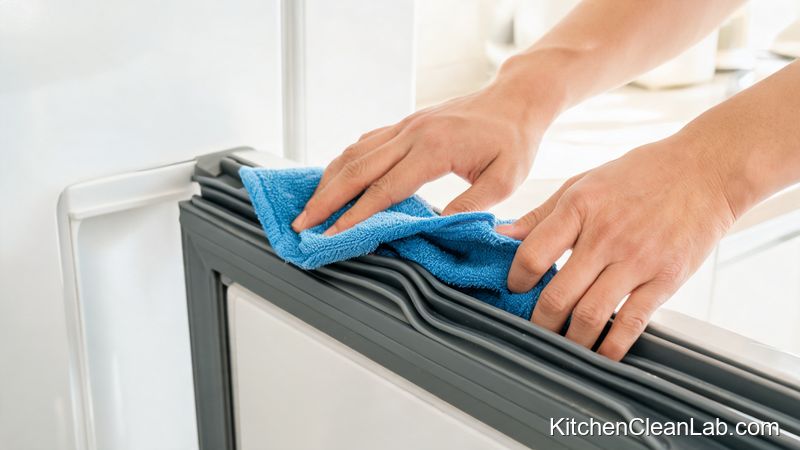
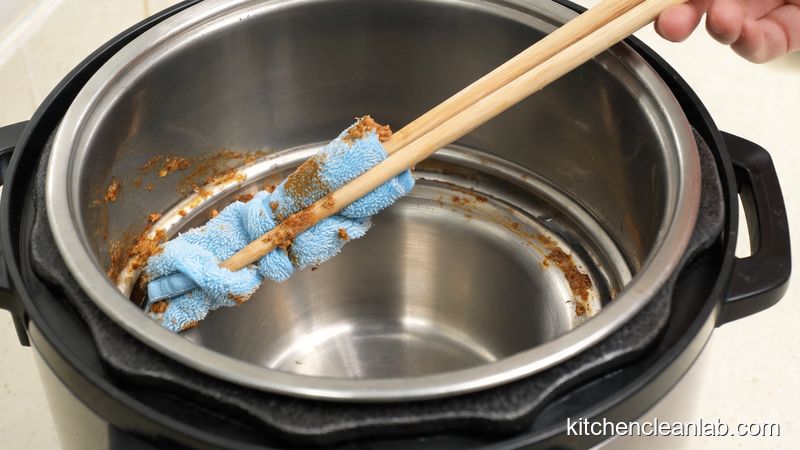
While the parts soak, clean the rim on the cooker base. Wrap a damp microfiber cloth around a chopstick or use a foam brush. Slide it around the rim groove to remove dried food and grease. Do not pour water into the base or submerge the housing; a damp cloth is enough.
Step 4: Rinse, Dry, and Reassemble
Rinse all lid parts under warm running water to remove soap residue. Shake off excess water and dry each piece with a clean microfiber cloth. Let the sealing ring and small components air dry on a drying rack for at least 30–60 minutes before reassembling. Moisture trapped inside the valve channels can cause mildew.
To reassemble, press the anti-block shield back into position, insert the float valve plug from the bottom, push the steam release valve straight down until it seats, and work the dry sealing ring evenly back into the lid track. Make sure the ring is not twisted or pinched.
How to Remove Silicone Ring Odors and Stains
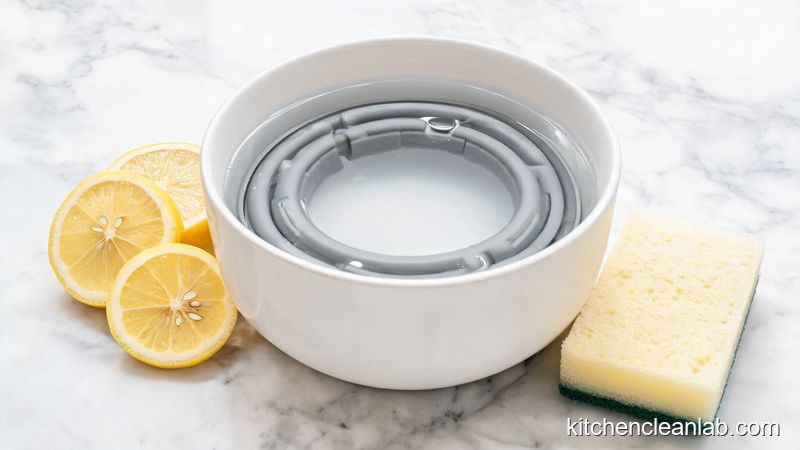
Quick answer: Soak the silicone ring in a solution of one part distilled white vinegar to one part water for 15–30 minutes, then wash and air dry in sunlight. For persistent smells, steam the ring inside the pot with water, lemon peel, and vinegar.
The sealing ring is porous, so it absorbs aromatic oils even after normal washing. This is normal but reversible. Try these methods in order until the odor is gone:
- Vinegar soak: Mix 1 cup white vinegar with 1 cup water in a bowl. Submerge the ring and soak for 15–30 minutes. Wash with dish soap and rinse well.
- Baking soda paste: For a greasy film, make a paste of baking soda and water. Rub it over the ring with your fingers or a soft brush, let it sit for 10 minutes, then rinse.
- Steam treatment: Place the ring in the Instant Pot with 1 cup water, 1 cup vinegar, and a few strips of lemon peel. Seal the lid and run a 3-minute pressure cook. Let the pressure release naturally, then remove and air dry.
- Sunlight or fresh air: After washing, set the ring outside or near an open window for a few hours. UV light and airflow help reduce lingering odors.
Two-ring system: The most effective long-term solution is to keep one sealing ring for savory dishes and a second for sweet or mild dishes. This prevents cross-contamination between garlic-heavy stews and desserts.
Safety Precautions and Common Mistakes to Avoid
Quick answer: Always unplug the base, avoid abrasive scrubbers, never force the sealing ring, and dry every part fully before reassembly. Do not use bleach or solvent cleaners, and replace any cracked or cut silicone ring immediately.
Even a simple cleaning job can damage the lid if you rush. Keep these safety points in mind:
- Do not immerse the cooker base. The lid can usually be hand washed, but the base must never be placed in water.
- Avoid harsh chemicals. Bleach, ammonia, and solvent-based degreasers can damage silicone and plastic, and may leave odors that transfer to food.
- Never use steel wool or heavy-duty scouring pads on the lid, valve, or ring. Scratches create places for bacteria and food to hide.
- Do not pull the sealing ring forcefully. Stretching the ring even a small amount can lead to pressure leaks or sealing failures.
- Replace damaged parts. If the ring has cracks, cuts, or permanent deformation, stop using it. A damaged sealing ring can prevent the pot from reaching pressure safely.
- Dry completely. Reassembling wet parts traps moisture inside the valve channels and can produce a musty smell.
Quick-Reference Cleaning Chart
Quick answer: Use this chart to match each lid component with the correct cleaning method, frequency, and caution. It helps you avoid missing hidden parts during a deep clean.
| Lid Part | Cleaning Method | Frequency | Caution |
|---|---|---|---|
| Lid body | Warm soapy water, soft cloth | After each use | Do not use abrasive powder or steel wool |
| Silicone sealing ring | Soapy water, vinegar soak, or steam treatment | Deep clean every 15–30 uses | Avoid stretching; replace if cracked |
| Steam release valve | Soak and brush inside channel | Weekly or during deep clean | Make sure it moves freely |
| Anti-block shield | Warm soapy water, soft brush | Deep clean or when visible residue | Press sideways to remove carefully |
| Float valve and plug | Soak, brush, and dry | Deep clean | Ensure plug is seated properly |
| Rim groove on base | Damp cloth, foam brush, or chopstick | Weekly | Never pour water into base |
Frequently Asked Questions
Quick answer: The most common concerns are dishwasher safety, persistent ring odors, float valve cleaning, and whether bleach is safe. The short answers: hand-wash small parts, use vinegar for odors, clean the valve with a brush, and never use bleach.
Can I put my Instant Pot lid in the dishwasher?
Many Instant Pot lids are labeled dishwasher safe, but the high heat and detergent can be harsh on the silicone ring and small plastic components. If you use a dishwasher, place the sealing ring and small parts in a mesh bag on the top rack. Hand-washing is the safer choice for keeping the valve channels and seal in good condition.
Why does the silicone ring still smell after washing?
Silicone is porous, so it holds fat-soluble aroma compounds from onion, garlic, curry, and meat. Dish soap alone often will not remove these deep odors. Use a vinegar soak, baking soda paste, or steam treatment, and air the ring out in sunlight. For chronic problems, dedicate separate rings to savory and sweet cooking.
How do I clean the float valve and anti-block shield?
Remove the anti-block shield by pressing it sideways with your thumb. On many models, a small silicone plug sits under the float valve; remove it gently and wash both parts in warm soapy water. Use a soft-bristle brush to clean the valve opening from both sides, rinse thoroughly, and dry before reassembly.
Can I use bleach to clean the sealing ring?
No. Bleach can degrade the silicone, leave a harsh chemical odor, and potentially transfer harmful residue to food. Stick to food-safe options like dish soap, white vinegar, baking soda, and lemon juice. If the ring cannot be cleaned or is damaged, replace it.
Keeping the Lid Fresh Between Deep Cleans
Quick answer: Store the Instant Pot with the lid upside down and the sealing ring resting loosely on top, not locked in place. Wipe the lid dry after each use and air out the ring whenever possible to slow odor buildup.
After a deep clean, a few small habits will keep your Instant Pot fresh longer:
- Wipe the lid interior and exterior with a dry or slightly damp microfiber cloth after every use.
- Remove the sealing ring and let it air dry separately if you cooked something highly aromatic.
- Store the lid upside down on the pot so air circulates and moisture escapes.
- Avoid sealing the lid completely in a cabinet or plastic container while it is still damp.
- Inspect the ring and valves before each cook. A 10-second check can prevent pressure problems later.
A deep-cleaned Instant Pot lid and silicone ring protect the taste of your food and the performance of your pressure cooker. The process takes about 20–30 minutes once or twice a month, and it saves you from mystery odors, sticky valve issues, and the risk of sealing failure.