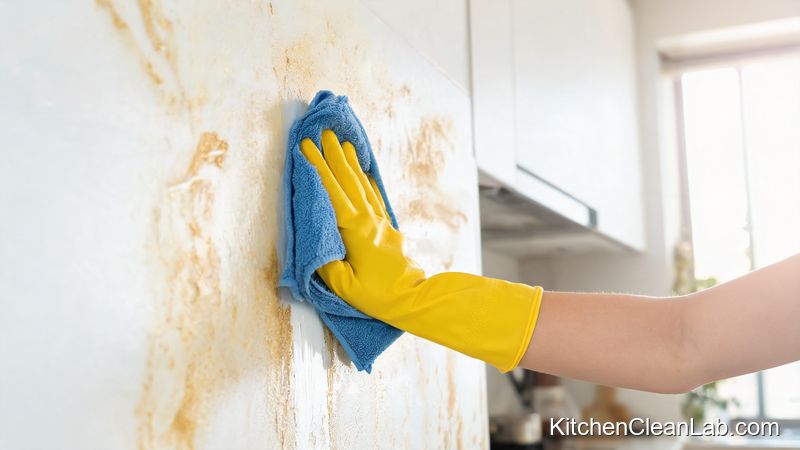
Why Natural Sanitizing Matters for Butcher Block Countertops
Butcher block countertops need a non-toxic cleaning routine because wood is porous, food-contact, and easily damaged by water and bleach. Diluted white vinegar, 3% hydrogen peroxide, lemon, salt, and food-grade oil can kill surface bacteria, remove stains, and preserve the wood without chemical residue.
Butcher block sits at the intersection of food safety and furniture care. Unlike granite or quartz, wood reacts to moisture, acids, and heat. When you use harsh chemical disinfectants, you risk leaving residues that can contact food and degrade the surface. A natural cleaning system keeps the wood stable and safe for daily meal prep.
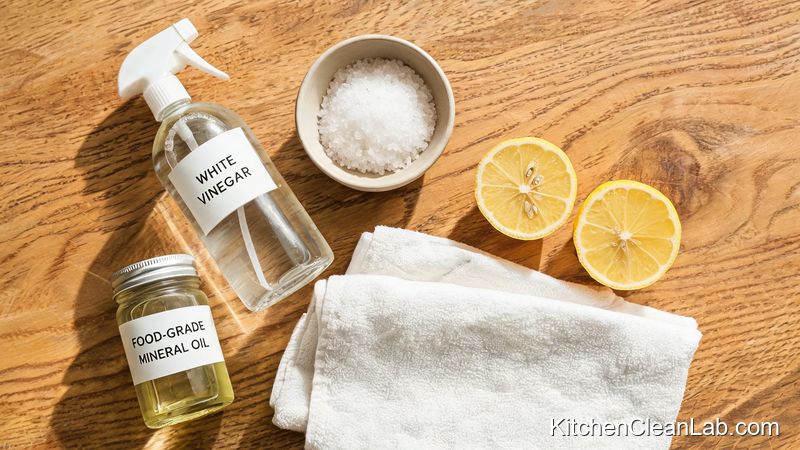
Understanding Wood Type and Food Safety on Butcher Block
Not all butcher block is identical. End-grain maple and walnut resist knife marks and absorb liquids differently than edge-grain oak. Knowing your wood type helps you choose the right drying time, oiling schedule, and natural sanitizer without over-wetting the surface.
End-grain butcher block, often used in professional butcher shops, has fibers that self-heal after knife cuts and can hold more oil. Edge-grain is smoother and less porous but still needs the same moisture discipline. Studies on wooden cutting surfaces suggest that hardwoods like maple can draw moisture and bacteria into the grain, where they eventually die, but this is not a substitute for cleaning. You still need to remove food residue and dry the surface before oils or board creams go on.
Daily Natural Cleaning Routine for Butcher Block Countertops
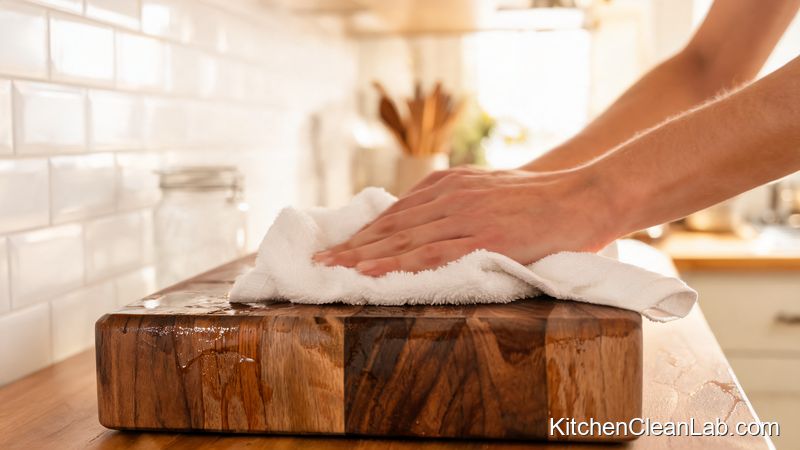
For daily cleaning, scrape food debris, wipe with a damp cloth and mild dish soap, rinse with a barely damp cloth, and immediately dry with a clean towel. Never let water pool on the wood, and never place hot pans directly on the surface.
- Scrape off stuck food particles with a bench scraper or soft spatula.
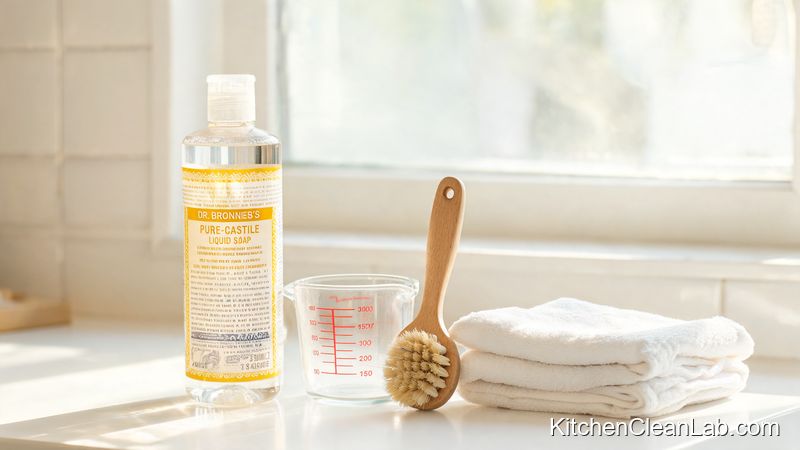
- Mix 1 to 2 drops of Dawn or fragrance-free castile soap into 2 cups of warm water.
- Wring the cloth thoroughly until it feels damp, not wet.
- Wipe the entire countertop in the direction of the wood grain.
- Rinse with a second clean, barely damp cloth.
- Immediately dry with an absorbent dish towel, paying attention to seams and edges.
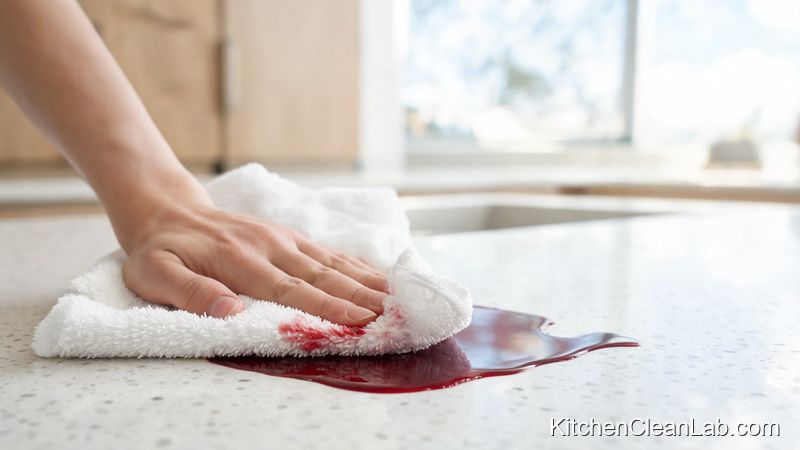
Standing water is the quickest way to warp or crack butcher block. If you spill liquids, blot them up right away. Hot pots and pans can leave rings and damage the wood fibers, so use trivets or folded towels under cookware.
How to Disinfect Butcher Block Naturally with Vinegar and Hydrogen Peroxide
For a deeper natural sanitizing step, use undiluted 3% hydrogen peroxide or a 1:1 white vinegar-water solution in separate spray bottles. Spray, let dwell for one to two minutes, wipe, and dry completely. Never mix vinegar and hydrogen peroxide in one container.
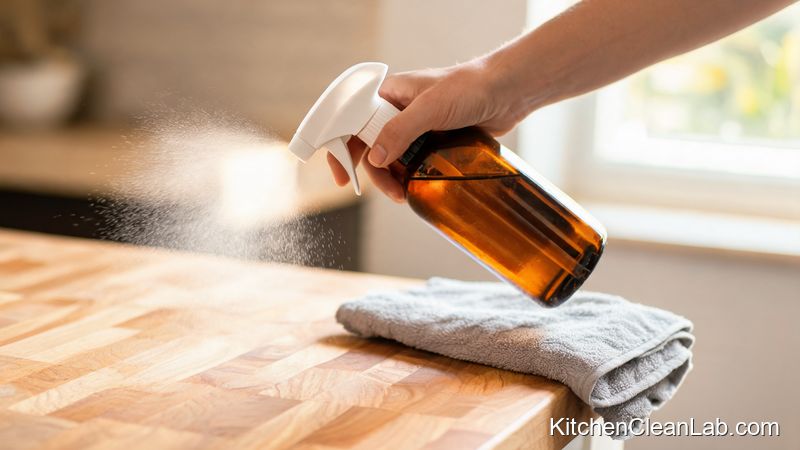
White vinegar is a mild acid that can reduce many common kitchen bacteria and deodorize the wood. Mix equal parts distilled white vinegar and warm water in a clean spray bottle. Spritz the surface until it is lightly damp, not saturated. Let it sit for 1 to 2 minutes, then wipe with a clean microfiber cloth. Dry immediately with a separate towel.
For raw meat, poultry, or fish cleanup, 3 percent food-grade hydrogen peroxide is the stronger food-safe option. Keep it in a dark spray bottle because light degrades peroxide. Spray the wood lightly, let it dwell for 1 to 2 minutes, then wipe and dry fully. You can alternate vinegar and peroxide on different cleaning days, but never combine them in the same bottle or spray them back to back without drying between applications.
Safety notes: open a window or run the exhaust fan for ventilation. Wear kitchen gloves if your skin is sensitive. Test vinegar or peroxide on a small hidden area if your butcher block has a tinted finish, especially with deep walnut or cherry.
Removing Stains and Odors with Lemon, Salt, and Baking Soda
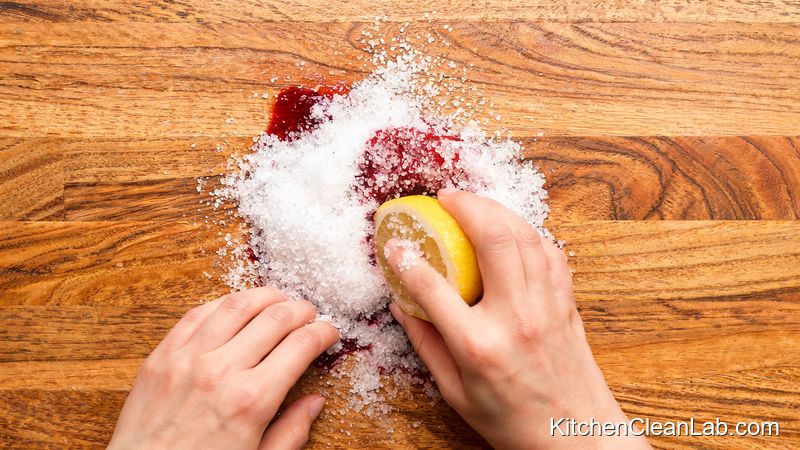
For butcher block stains from wine, coffee, tomato sauce, or meat juice, a paste of baking soda and water or a lemon-and-salt scrub lifts discoloration and neutralizes odors. Rinse with a damp cloth, dry immediately, and re-oil any areas that look dry.
The lemon and salt method works as a gentle physical and chemical exfoliation. Sprinkle coarse salt over the stained area, cut a lemon in half, and scrub in a circular motion. The salt acts as a mild abrasive while the citric acid helps break down pigments. Let the mixture sit for 2 to 5 minutes for stubborn stains, then wipe it away with a damp cloth. Rinse away any salty residue and dry thoroughly.
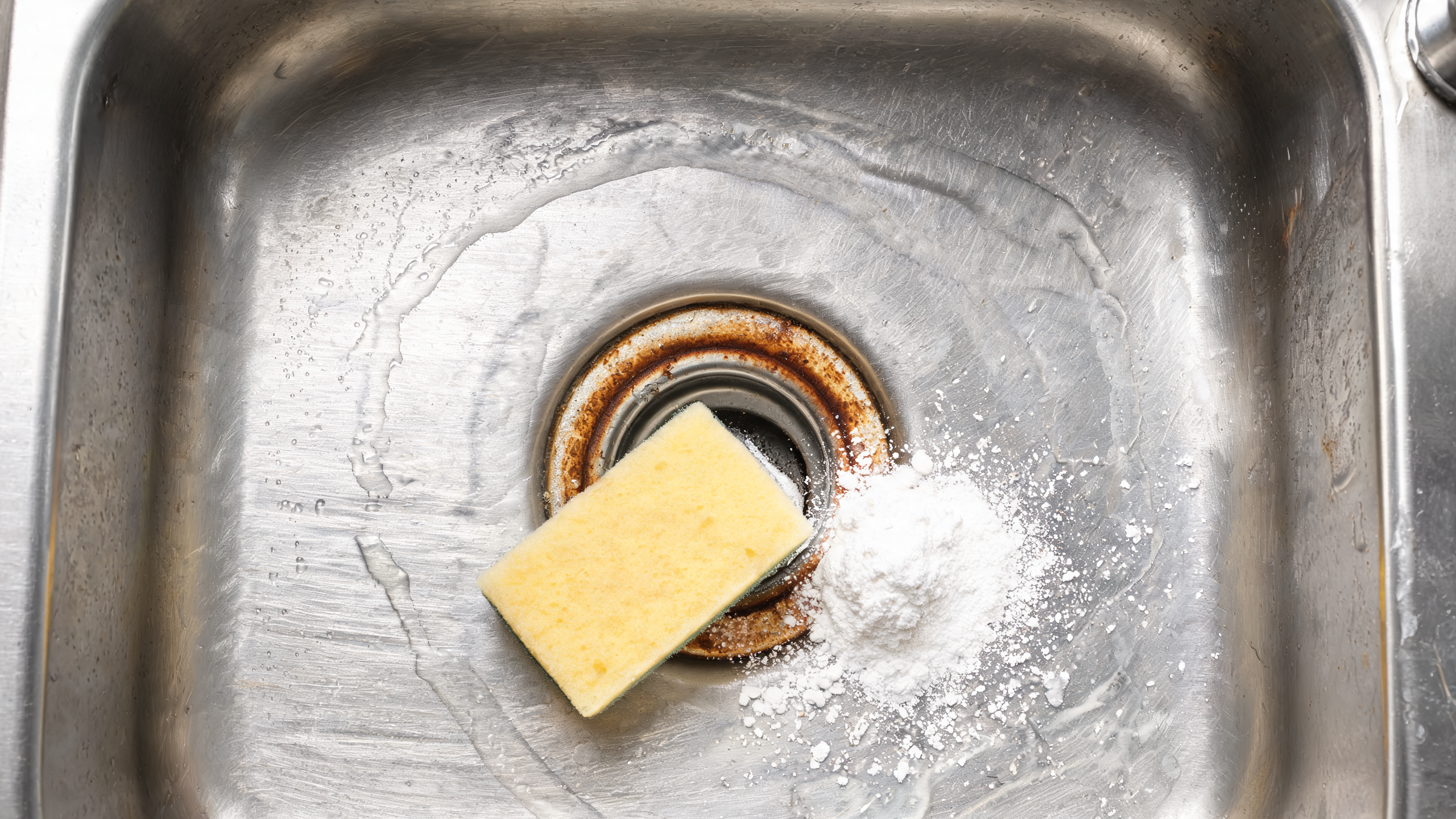
For darker stains or lingering odors, make a paste with 3 parts baking soda to 1 part warm water. Apply it to the affected area, let it sit for 5 to 10 minutes, then scrub gently with a soft-bristled brush or a damp cloth. Wipe clean, rinse with a barely damp cloth, and dry. Baking soda is also an excellent deodorizer; sprinkle a thin layer over the whole board, let it sit for 15 to 20 minutes, then brush it off and wipe with a damp rag.
Step-by-Step: Natural Deep Sanitizing and Reconditioning Session
Every month or after raw meat prep, deep-clean butcher block by following seven steps: scrape, wash with mild soap, disinfect with hydrogen peroxide or vinegar, spot-treat stains, dry completely, apply food-grade oil, and buff on board cream for extra moisture protection.
- Scrape the surface with a bench scraper to remove dried food.
- Wash with a soft cloth dampened in warm water and 1 drop of mild dish soap.
- Disinfect with 3 percent hydrogen peroxide or a 1:1 vinegar-water solution in a separate bottle.
- Spot-treat stains with lemon and salt or a baking soda paste.
- Dry the wood completely with a clean towel and let it air-dry for 15 minutes if needed.
- Apply food-grade mineral oil liberally with a clean cloth and let it soak overnight.
- Buff off excess oil and apply board cream or beeswax blend for a protective barrier.
This routine is ideal after a holiday cooking marathon, when the countertop has seen raw meat, wine, and citrus. It resets the wood without stripping it or leaving a chemical film.
Natural Butcher Block Cleaning Cheat Sheet
Use this quick-reference chart to match cleaning problems with natural solutions: vinegar spray for daily sanitizing, hydrogen peroxide for meat juice, lemon and salt for stains, baking soda for odors, and food-grade mineral oil for moisture protection.
| Task | Natural Solution | Notes |
|---|---|---|
| Daily cleaning | Damp cloth plus 1 to 2 drops mild dish soap | Wring cloth well; dry immediately |
| Light sanitizing | Equal parts white vinegar and water | Spray, dwell 1 to 2 minutes, wipe dry |
| Raw meat cleanup | 3 percent food-grade hydrogen peroxide | Use in dark spray bottle; do not mix with vinegar |
| Stain removal | Lemon juice and coarse salt or baking soda paste | Rinse and dry; re-oil after |
| Odor removal | Baking soda sprinkle for 15 to 20 minutes | Brush off and wipe with damp cloth |
| Conditioning | Food-grade mineral oil or board cream | Oil when wood looks dry or water stops beading |
Common Mistakes That Ruin Butcher Block and How to Avoid Them
Avoid soaking wood, using bleach, letting water stand, oiling with rancid-prone cooking oils, and setting hot pans on the surface. These mistakes cause warping, cracking, discoloration, and bacteria traps. Dry the wood and use food-safe products only.
- Soaking or flooding the surface: Excess water enters wood pores and causes swelling, warping, and cracks.
- Using bleach or harsh chemical sprays: Bleach degrades wood fibers and can leave food-contact residues.
- Letting water or meat juice sit overnight: This invites deep stains and bacterial growth.
- Oiling with olive, vegetable, or canola oil: These can turn rancid and leave a sticky, smelly film. Use food-grade mineral oil or a beeswax board cream instead.
- Placing hot pans directly on the surface: Thermal shock can dry out and discolor the wood.
- Skipping the drying step: Even after a quick vinegar spray, moisture trapped under cutting boards can damage the wood.
People Also Ask: Natural Butcher Block Sanitizing FAQs
Common questions about natural butcher block care include whether vinegar disinfects, how often to oil, if hydrogen peroxide is safe, and whether bleach ever belongs on wood. Below are direct, research-based answers.
Does vinegar disinfect butcher block countertops?
White vinegar has mild antimicrobial properties from acetic acid and can reduce many common kitchen bacteria, but it is not an EPA-registered broad-spectrum disinfectant. Use it for daily deodorizing and light sanitizing. For high-risk raw meat cleanup, 3 percent hydrogen peroxide is stronger and food-safe.
Is hydrogen peroxide safe for butcher block?
Yes, 3 percent hydrogen peroxide is generally food-safe and can be sprayed on wood. Keep it in a dark bottle, let it dwell for 1 to 2 minutes, then wipe and dry. Do not mix it with vinegar in the same container. Higher concentrations can lighten wood, so test a hidden spot first.
How often should I oil butcher block countertops?
Oil when the surface looks dry, feels rough, or water stops beading. Heavy-use counters may need oiling monthly; lighter-use areas can go quarterly. Apply food-grade mineral oil liberally, let it soak overnight, then buff off the excess with a dry cloth. A board cream or beeswax blend adds extra protection.
Can I use bleach or chemical disinfectants on butcher block?
Avoid bleach, quaternary ammonia sprays, and harsh multi-surface disinfectants. They damage wood fibers, discolor the surface, leave residues, and do not add lasting safety. Natural sanitizers plus immediate drying are safer for daily use. If you need EPA-level disinfection after raw meat, use food-contact-safe hydrogen peroxide.
The Takeaway: A Natural Routine That Protects Both Wood and Health
A successful butcher block care routine depends on moisture control, food-safe sanitizers, and consistent oiling. Clean daily with a damp cloth and mild soap, disinfect weekly or after raw meat with hydrogen peroxide, remove stains monthly with lemon and salt, and re-oil whenever the wood looks dry.
Butcher block countertops are a long-term investment in a warm, functional kitchen. The best natural sanitizing habit is simple: use less water, choose food-safe ingredients, and never skip the dry cloth. Over time, the wood develops a rich patina that looks better than any chemical-sealed surface.