Why Castile Soap Is a Smart Choice for Non-Toxic Dishwashing
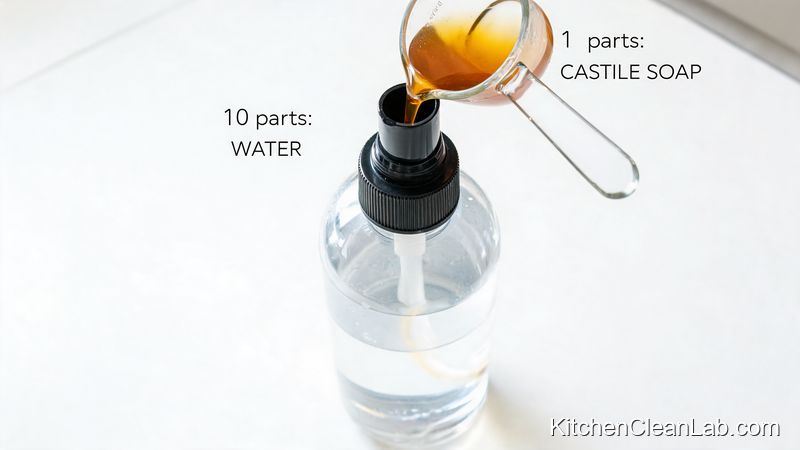
Castile soap is a concentrated, plant-based soap that removes grease without synthetic detergents, dyes, or foam boosters. For daily dishwashing, use 1 part castile soap to 10 parts water in a squirt bottle or 1 to 2 tablespoons per sinkful. Rinse thoroughly and dry by hand to avoid hard-water spots.
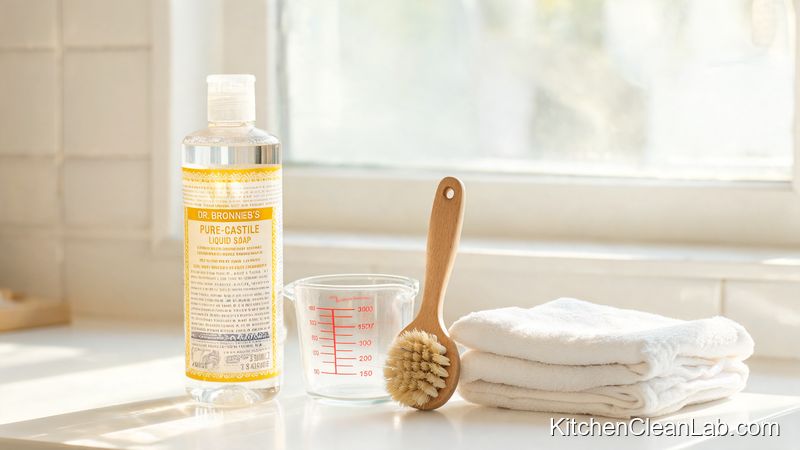
Conventional dish liquids are convenient, but many contain synthetic surfactants, artificial fragrance blends, and preservatives that you may not want anywhere near your plates. Castile soap flips that formula. A true soap made from saponified vegetable oils such as olive, coconut, and hemp, it cleans by the same basic mechanism as any soap: one end of the molecule grabs water and the other grabs grease. Dr. Bronner's Pure-Castile Magic Soap is the most widely available option in the U.S., and its formula is certified to strict organic and fair-trade standards. That makes it a practical non-toxic dishwashing choice when you understand how to dilute it and how to handle hard water.
Which Castile Soap Scent Works Best for Dishes?
Citrus is the most kitchen-friendly pick for many people because its bright note does not feel out of place near food. Unscented Baby Mild is the safest neutral choice if you prefer no added essential oils. The base soap is identical across scents, so cleaning performance does not change. Avoid using heavily scented blends if anyone in your household is sensitive to fragrance around food.
Understanding Castile Soap Chemistry and Hard Water
Castile soap is a true soap, not a synthetic detergent, so it reacts with hard water minerals and can leave a film. If you see white spots, use hotter rinse water, add a separate vinegar rinse after washing, and dry dishes immediately with a towel.
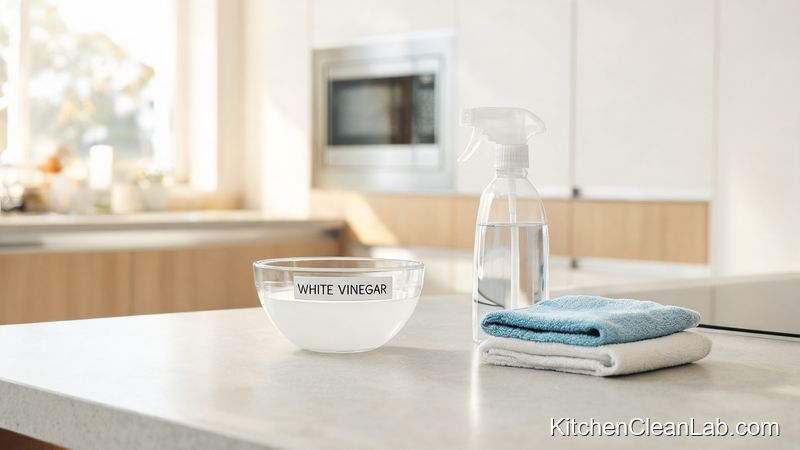
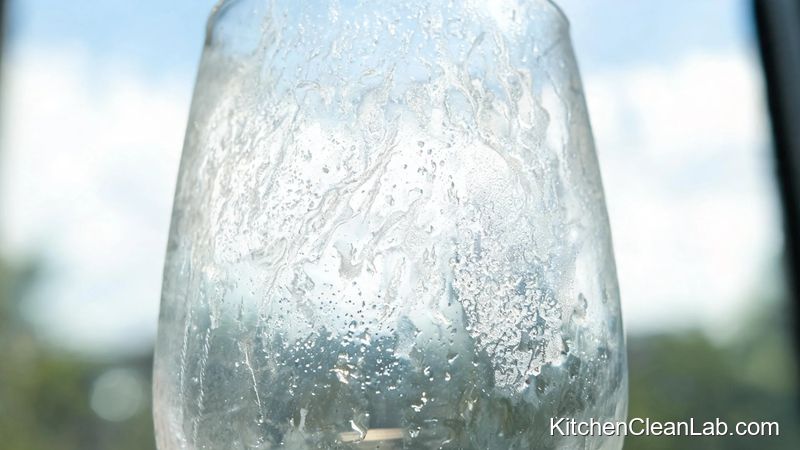
Hard water contains dissolved calcium and magnesium. When castile soap meets those minerals, the soap forms an insoluble curd that appears as white film or spots on glassware. This is not a sign that the soap is weak; it is a water chemistry issue. In soft water, castile soap rinses away easily. In hard water, you need a two-step approach: wash with castile soap, then dip or spray the item with a diluted acid such as white vinegar. Do not mix vinegar directly into your soapy dish water or store castile soap and vinegar in the same bottle, because the acid will undo the soap and create a waxy, clumpy mess. A separate rinse bowl works.
Essential Castile Soap Dilution Ratios for Handwashing Dishes
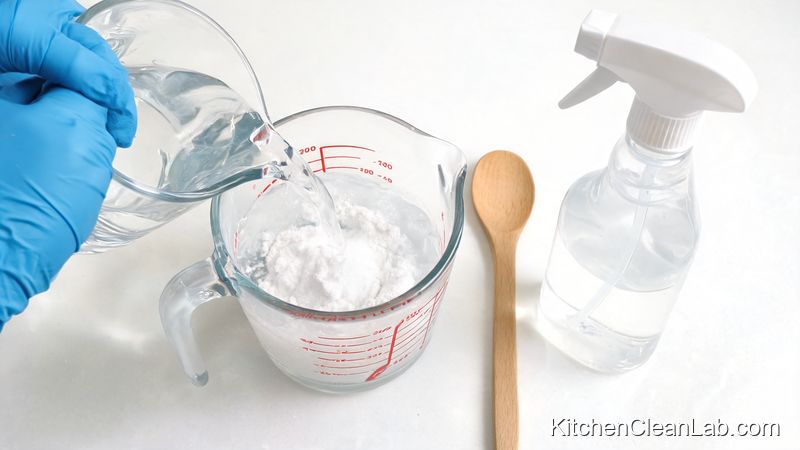
A pre-diluted 1:10 squirt bottle is the most controlled way to wash dishes with castile soap. Use one small squirt per dish, or add 1 to 2 tablespoons to a sinkful of hot water. For a foaming pump, use 1 part soap to 3 parts distilled water.
Because castile soap is concentrated, most failures come from guessing and pouring too much. Pick one system and label it clearly. Here are the ratios I use most often:
| Application | Dilution | Notes |
|---|---|---|
| Squirt bottle | 1 part castile soap : 10 parts water | Best for controlled per-dish cleaning; shake gently before use. |
| Sinkful of dishes | 1 to 2 tablespoons per large sink | Use more only for heavy grease; too much can increase residue in hard water. |
| Foaming pump | 1 part castile soap : 3 parts distilled water | Distilled water prevents mineral buildup inside the pump. |
| Refillable dish wand | 1 part castile soap : 5 parts water | Works well for quick scrubbing at the sink. |
| Spot-cleaning spray | 2 tablespoons castile soap : 2 cups water | Spray bulky items and wipe with a damp cloth. |
If you are pre-diluting with tap water, mix small batches and use them within two weeks. Castile soap does not contain the same preservative system as conventional dish liquids, so stagnant tap water can encourage microbial growth in a bottle. Distilled water is safer for batches that sit.
Step-by-Step: How to Hand Wash Dishes with Castile Soap
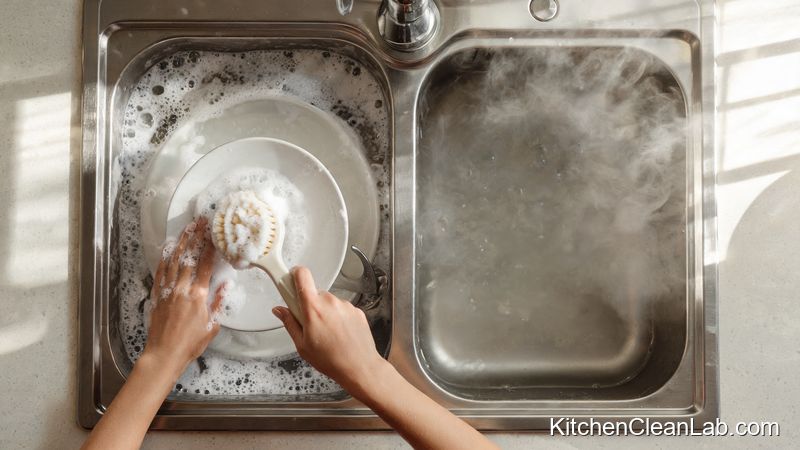
The two-basin method works best: hot soapy water in one basin and clean hot rinse water in the second. Wash from least greasy to most greasy, then dry each piece right away. This sequence prevents grease transfer and hard-water spotting.
- Scrape and pre-rinse everything. Remove food particles and heavy grease before filling the sink. Castile soap is a cleaner, not a garbage disposal.
- Fill the wash basin. Use the hottest water your skin can handle. Add 1 to 2 tablespoons of castile soap and swish with your hand to disperse it. The water will not make a giant foam mountain because true soap creates lower, denser suds.
- Fill a second basin or large container with clean hot rinse water. If your water is hard, add 1/4 cup of white vinegar to this rinse basin only. Do not add vinegar to the soapy basin.
- Wash in order. Start with glassware, then flatware, then plates and serving bowls, and finish with greasy pots and pans. This keeps the water cleaner longer.
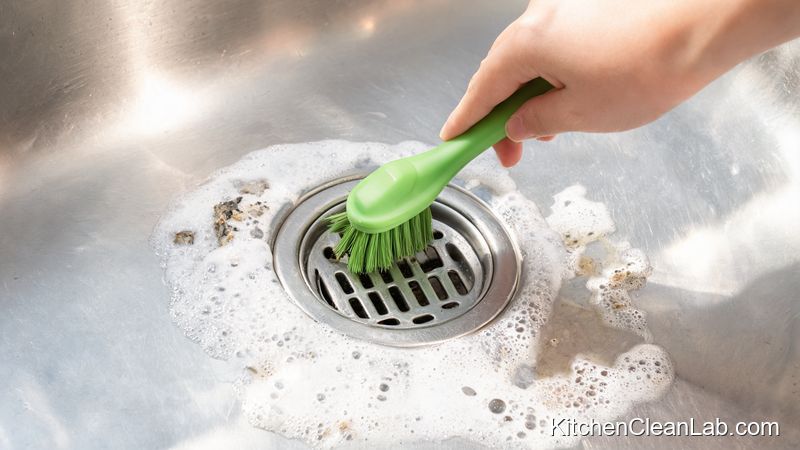
- Scrub with a brush or sponge. For stuck-on food, sprinkle a small amount of baking soda directly on the dish or brush. The baking soda adds gentle abrasion without scratching.
- Rinse thoroughly. Dip the item in the rinse basin or hold it under hot running water until it feels soap-free. A quick swipe with your fingers should not feel slick.
- Dry immediately. Use a clean lint-free towel. Drying by hand is the single most effective way to prevent water spots in hard water.
Common Mistakes That Leave Castile Soap Film or Residue
More soap is not the answer when castile soap leaves a film. The usual culprits are hard water, insufficient rinsing, direct vinegar mixing, and air drying. Fix the rinse and drying step before changing your dilution.
- Using too much soap. Overpouring creates more soap scum in hard water and requires more rinsing. Start with the low end of the dilution range.
- Mixing castile soap and vinegar in the same bottle. This creates an oily or waxy glob. Keep them separate and use vinegar only as a final rinse.
- Rinsing with lukewarm water. Hot water keeps the soap and grease moving off the dish. A cold rinse can leave a soapy film.
- Letting dishes air dry in hard water. Mineral deposits dry onto the surface. Towel drying avoids that.
- Putting castile soap in the dishwasher. It produces too many suds and can trigger error codes or leave residue all over the machine.
Safety note: Castile soap is mild, but prolonged handwashing can still dry out your skin. If your skin feels tight or cracked, wear cotton-lined rubber gloves. Keep the undiluted soap out of your eyes. If contact occurs, rinse with cool water for several minutes.
Castile Soap vs. Conventional Dish Soap vs. Sal Suds
Castile soap is the gentler, plant-based choice, but conventional dish detergents and Dr. Bronner's Sal Suds handle hard water and heavy grease differently. Choose castile for everyday non-toxic dishwashing and switch to Sal Suds only for the grimiest jobs.
| Feature | Castile Soap | Conventional Dish Soap | Sal Suds |
|---|---|---|---|
| Base | Saponified vegetable oils | Synthetic surfactants | Plant-based surfactants |
| Hard water performance | Can leave film; use vinegar rinse | Usually contains softeners | Better tolerance |
| Grease cutting | Good for daily dishes | Strong | Excellent for heavy grease |
| Skin feel | Mild when diluted | Can be drying | Can be drying if undiluted |
| Fragrance | Natural essential oils or unscented | Often synthetic fragrance | Spruce and fir essential oils |
| Biodegradability | High | Varies by brand | High |
Sal Suds is not a castile soap. It is a biodegradable household cleaner with stronger surfactants. If you have extremely hard water or a sink full of greasy roasting pans, a small squirt of Sal Suds can cut through when castile struggles. But for everyday plates, cups, and utensils, castile soap is the simpler, skin-friendly option.
Frequently Asked Questions About Castile Soap Dishwashing
The most common questions come down to safety, disinfection, and residue control. These answers apply to concentrated pure castile soaps such as Dr. Bronner's. Always test your own water and adjust rinse steps.
Can I use Dr. Bronner's castile soap to wash dishes?
Yes. Dr. Bronner's Pure-Castile Magic Soap is safe for dishwashing when diluted properly. Use a 1:10 squirt bottle or 1 to 2 tablespoons in a sink of hot water. Rinse well. The same liquid castile soap that is mild enough for skin will remove everyday food grease from dishes, though it may not produce the same dense foam as synthetic dish detergents.
Does castile soap kill germs on dishes?
Castile soap is not a registered disinfectant and does not make antibacterial claims. It removes germs the way soap always does: by lifting bacteria, food particles, and oils off the surface so they can be rinsed away. Pair it with hot water and mechanical scrubbing for effective daily dishwashing. If someone in the household is immunocompromised, use a separate sanitizing step such as diluted bleach or a heat-dry dishwasher cycle.
Why does castile soap leave a white film on my dishes?
A white film is almost always soap scum from hard water minerals binding to the soap. To fix it, use a separate acid rinse after washing: fill a basin with 1 part white vinegar to 4 parts water, dip the clean dish, then rinse once more with hot water. Dry immediately with a towel. Do not mix vinegar directly into the soapy wash water, because that creates a waxy curd.
Can I use castile soap in my dishwasher?
No. Castile soap creates too many suds for an automatic dishwasher and can leave a hard-to-remove film on dishes and the machine interior. Many dishwashers will show an error or leak foam. Use an EWG-verified dishwasher detergent instead. Reserve castile soap for handwashing tasks and spot cleaning.
Putting Your Castile Soap Dishwashing Routine Together
Start with a labeled 1:10 squirt bottle, keep a separate vinegar rinse for hard water, and dry dishes by hand. Once you have a consistent setup, castile soap becomes a reliable non-toxic dishwashing system rather than a frustrating experiment.
My own sink setup is simple: a foaming pump for handwashing, a 1:10 castile squirt bottle for dishes, and a small spray bottle of plain white vinegar for glassware that dries cloudy. I do not use castile soap in the dishwasher. When the water feels filmy or the dishes are unusually greasy, I adjust by adding a little more soap to the sink or switching to Sal Suds for that load. That flexibility matters more than memorizing a single perfect ratio.
If you are switching from conventional dish detergent, give yourself two weeks of regular use before deciding whether it works. Pay attention to your water hardness, rinsing habits, and drying step. Most people find that the combination of a 1:10 dilution, hot rinse water, and a towel dry removes nearly all residue problems.