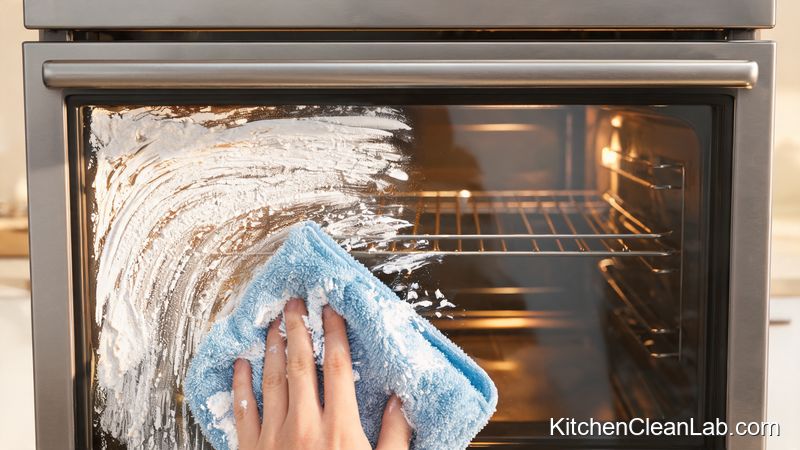
Why Cream of Tartar Removes Pan Burn Marks
Cream of tartar is potassium bitartrate, a dry acid and fine abrasive that loosens burnt food, mineral residue, and polymerized oil. It works on stainless steel, aluminum, and copper without the scratching risk of steel wool or the fumes of oven cleaner.
Burn marks are rarely pure carbon. They are usually a mix of scorched proteins, sugars, and fats bonded to the metal. The acid in cream of tartar softens that organic layer, while the fine crystals provide controlled scrubbing power. In my own kitchen, cream of tartar has rescued a stainless steel saucepan covered in burnt hummingbird food, where baking soda alone lifted only part of the dark stain. You still need patience, but the reaction does much of the physical work for you.
Tools and Ingredients You Need
Most burnt pan jobs require only a few supplies. Choose your scrubber based on the pan material, not just the stain.
- Cream of tartar: Use 2 tablespoons for a standard 10-inch skillet or 3 tablespoons for a large stockpot.
- White vinegar or lemon juice: White vinegar is stronger and easier to control; lemon juice adds citric acid but should be rinsed thoroughly.
- Non-scratch scrubber: A nylon dish brush, Dobie pad, or soft sponge. Avoid steel wool on stainless steel and never use it on nonstick.
- Wooden or silicone scraper: Use this to lift loosened burnt layers without gouging metal.
- Clean microfiber towel: For drying and buffing away water spots after treatment.
- Optional splatter screen or lid: Helps control steam when boiling the solution.
Step-by-Step Guide: How to Remove Pan Burn Marks Using Cream of Tartar
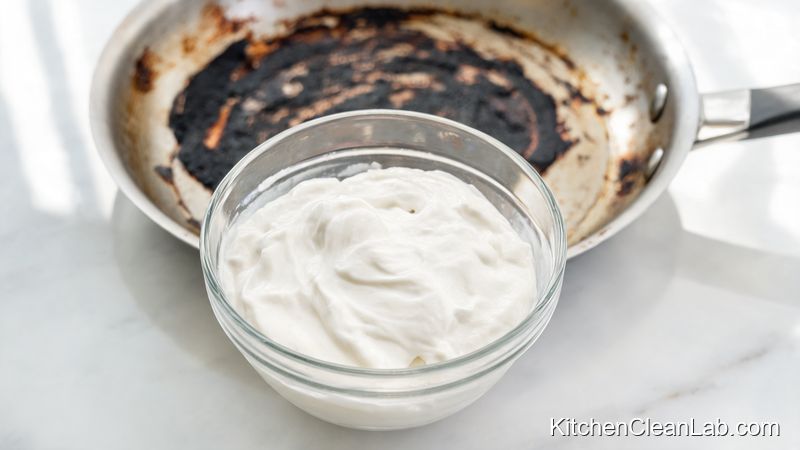
Mix two tablespoons of cream of tartar with one tablespoon of white vinegar to form a spreadable paste. Apply it to the cooled burn, wait 15 to 30 minutes, scrub with a non-scratch pad, rinse, and repeat if a faint shadow remains.
Method 1: Cold Paste for Mild Scorch Marks
- Cool the pan completely. Never run a hot pan under cold water; thermal shock can warp stainless steel and loosen bonded bases.
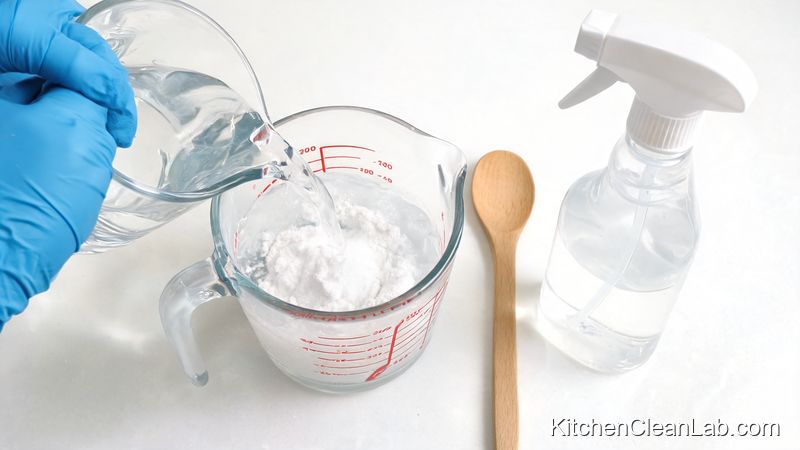
- Mix the paste. In a small bowl, combine 2 tablespoons cream of tartar with 1 to 2 teaspoons white vinegar. Stir until the texture feels like wet sand.
- Apply and wait. Spread the paste over the burn marks. Let it sit for 10 to 15 minutes on light stains, or up to 30 minutes on dark brown patches.
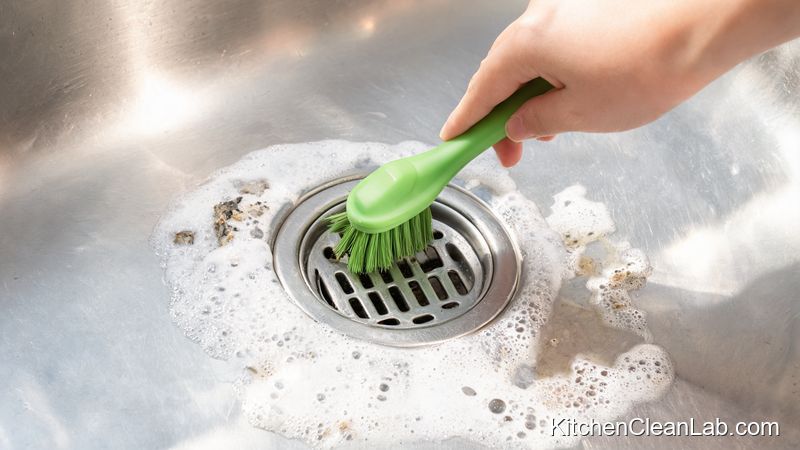
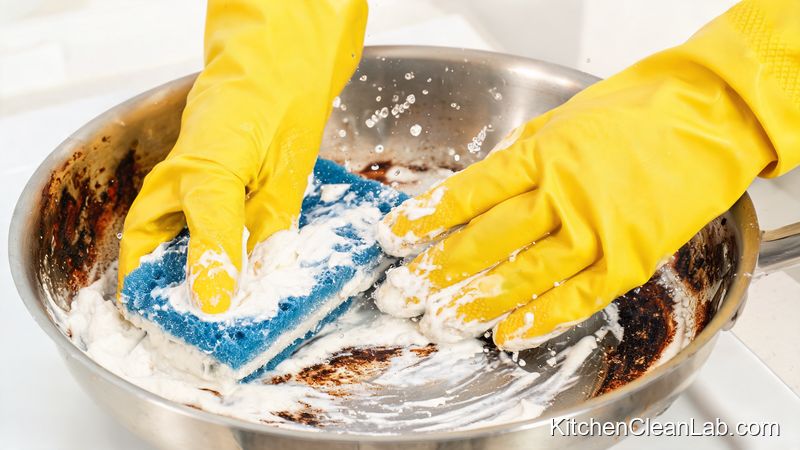
- Scrub in circles. Use a damp non-scratch pad and work from the outside edge of the stain toward the center.
- Rinse and inspect. Rinse with hot water. If a thin brown shadow remains, repeat the paste once before trying the boiled method.
Method 2: Boiled Cream of Tartar Solution for Heavy Carbon
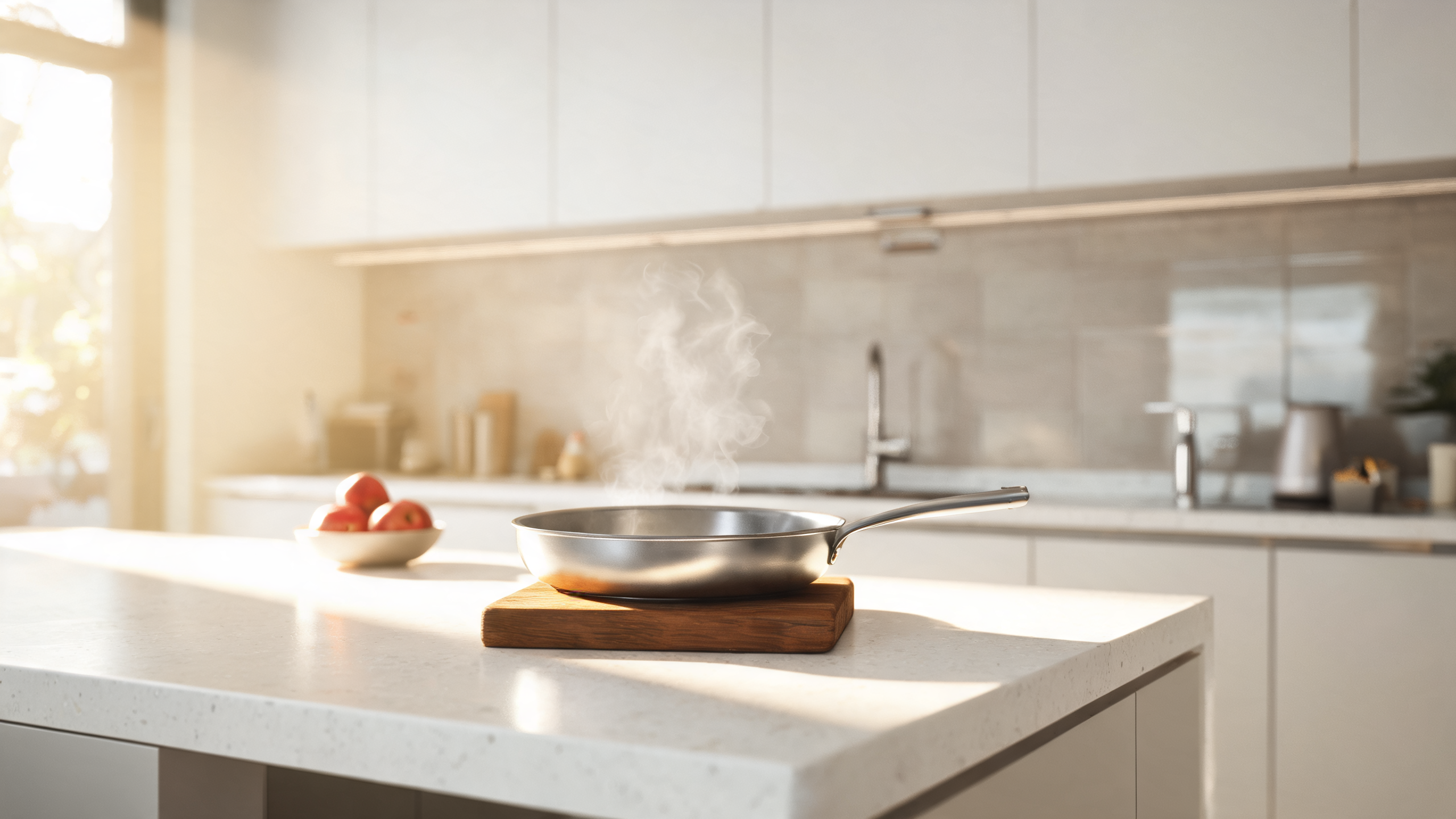
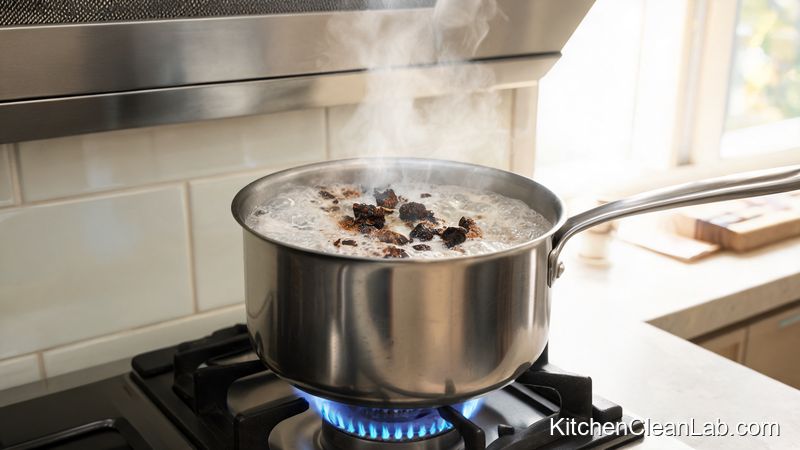
Thick black crust needs heat and movement. Boiling the solution accelerates the acid reaction and lifts carbon from the pan floor.
- Add water to cover the burn. Place the pan on the stove and pour in enough water to cover the scorched area by about 1 inch.
- Stir in the cleaners. Add 2 tablespoons cream of tartar and 1/4 cup white vinegar per 1 quart of water.
- Bring to a low boil. Heat to a gentle simmer for 10 to 15 minutes. Open a window or turn on the vent hood because vinegar steam is sharp.
- Scrape with a wooden spoon. While the liquid is warm, push a wooden spoon or silicone scraper across the burnt crust. The carbon should lift in sheets.
- Cool and wash. Pour out the liquid carefully, let the pan cool until safe to handle, then wash with warm soapy water and dry immediately.
Method 3: Overnight Treatment for Baked-On Sugar
Burnt sugar syrups, such as homemade hummingbird food, harden into a glassy layer. An extended treatment gives the acid time to work without constant scrubbing.
- Mix 3 tablespoons cream of tartar, 1 tablespoon white vinegar, and 1 drop of dish soap into a thick paste.
- Spread the paste over the entire burned area, cover with a damp paper towel, and press it gently so the towel holds moisture.
- Leave it for 4 to 6 hours or overnight. Re-wet the paper towel if it begins to dry.
- In the morning, scrub lightly with a nylon brush and rinse with hot water.
Pan-Specific Cleaning Guide
Cream of tartar is safe on stainless steel, aluminum, copper, and enameled cast iron, but it should never be used as an abrasive paste on nonstick or bare cast iron. Match the method to the pan material to avoid stripping seasoning or scratching coatings.
| Pan Material | Cream of Tartar Safety | Recommended Method |
|---|---|---|
| Stainless steel | Yes, safe | Cold paste or boiled solution |
| Aluminum | Yes, but avoid overnight soaking | Cold paste, short contact time |
| Copper | Yes, good for oxide stains | Paste with lemon juice, rinse well |
| Nonstick | Use with caution | Diluted solution, soft sponge only |
| Enameled cast iron | Yes, mild | Boiled solution, no abrasive scrubber |
| Bare cast iron | No, acid strips seasoning | Salt scrub or chainmail instead |
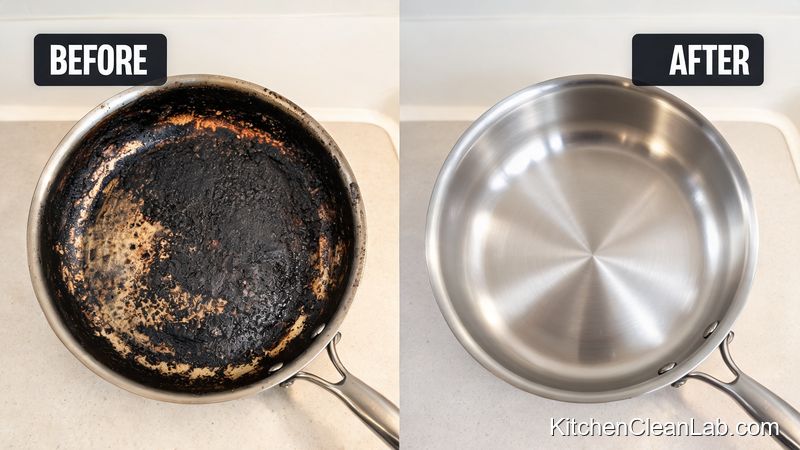
Common Mistakes That Make Burn Marks Worse
Avoid thermal shock, steel wool, bleach-acid mixtures, and abrasive pastes on nonstick surfaces. These mistakes warp metal, release toxic gas, scratch coatings, or strip cast iron seasoning. Always cool the pan completely and match the scrubber to the pan material.
- Quenching hot metal with cold water: This can warp pans and loosen bonded bases.
- Using steel wool on stainless steel: It can create micro-scratches that trap future stains and food residue.
- Mixing cream of tartar with bleach: Acid and chlorine bleach can release dangerous chlorine gas.
- Soaking bare cast iron in vinegar mixtures: The acid eats away the seasoning layer.
- Scrubbing nonstick with gritty paste: Even fine cream of tartar crystals can compromise the coating.
- Leaving the paste on aluminum overnight: Prolonged acid contact can pit or dull the surface.
Before and After Care: Restoring Pan Shine
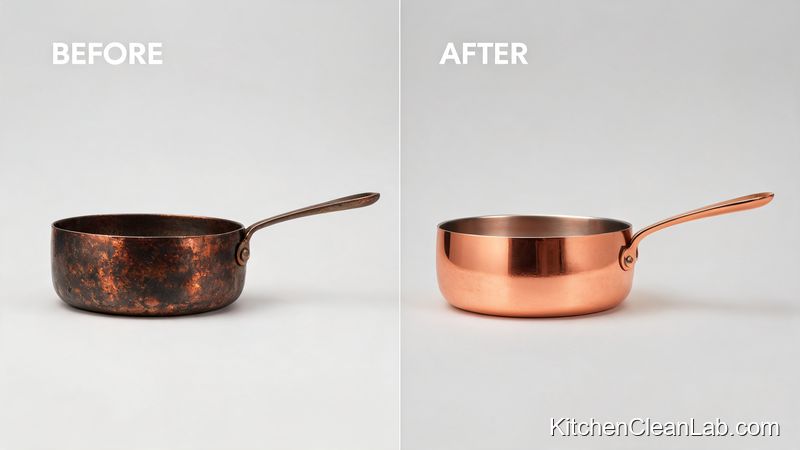
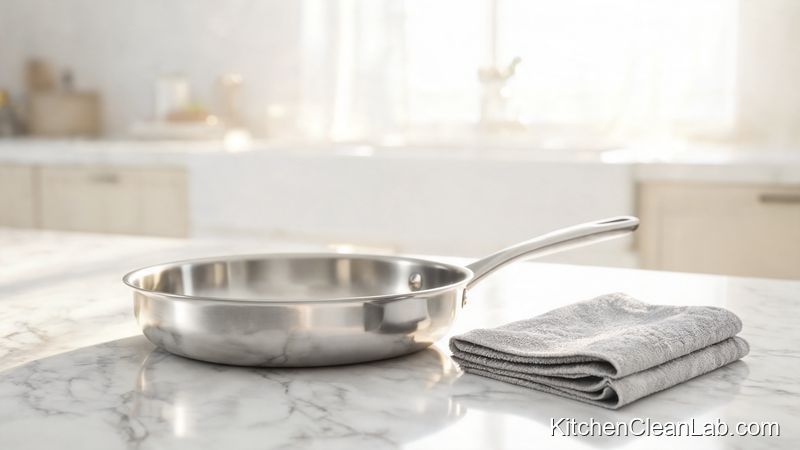
After removing the burn marks, rinse thoroughly to remove acidic residue, wash with mild dish soap, and dry immediately. This prevents water spots on stainless steel and oxidation on aluminum while restoring the pan's original shine.
For stainless steel with water spots or rainbow discoloration, buff the interior with a small amount of white vinegar on a soft cloth, then rinse and dry again. Do not store pans with the lid tightly closed while they are still damp. Let the pan air-dry upside down for 10 minutes before putting it away.
How to Prevent Future Pan Burn Marks
The best way to avoid cream of tartar rescue sessions is to control heat, set a timer, and never leave sugar syrups or dairy-based sauces unattended. A heavy-bottomed pan and a quick deglaze after cooking prevent most carbon buildup.
- Use a kitchen timer: Most burn incidents happen after stepping away. Set a timer even for short tasks.
- Preheat smartly: Bring pans to medium heat gradually instead of blasting high heat with oil or syrup.
- Stir sugar mixtures until dissolved: Hummingbird food, caramel, and candy syrups burn quickly if sugar sits on the bottom.
- Deglaze after searing: Add a small amount of water or stock while the pan is warm, then scrape with a wooden spoon.
- Clean before storage: Even light residue becomes sticky carbon after repeated heating.
FAQ: Removing Pan Burn Marks with Cream of Tartar
The most common questions about cream of tartar on burnt pans boil down to pan safety, contact time, and what to do when stains persist. Here are direct answers for stainless steel, aluminum, nonstick, and enameled surfaces.
Can cream of tartar scratch nonstick pans?
It can. Nonstick coatings are sensitive to fine abrasives. If you use cream of tartar on nonstick, only use a diluted boiled-water solution with no undissolved crystals, and wipe with a soft sponge rather than scrubbing. For most nonstick burns, a plain baking soda and water simmer is safer.
How long should I leave cream of tartar paste on a burnt pan?
Start with 10 to 15 minutes for light scorch marks. For dark brown or black buildup, leave it for 30 minutes, and for hardened sugar you can cover the paste with a damp paper towel and leave it for 4 to 6 hours. Do not let the paste dry completely, because dry crystals are harder to rinse away.
Is cream of tartar safe for stainless steel cookware?
Yes. Stainless steel tolerates cream of tartar paste well because the acid is mild and the crystals are softer than common metal polishes. To stay safe, scrub with a non-scratch pad and rinse all residue away after cleaning.
What if the burn marks still don't come off?
If black carbon remains after two treatments, switch to a deglazing method: heat the empty pan, add 1 cup of water, and scrape with a wooden spoon. Then reapply the cream of tartar paste. Pitting or a rough texture may mean the metal itself is damaged, which requires professional resurfacing or replacement.
Final Take on Restoring Burnt Pans
No single cleaner works on every burn, but cream of tartar is a safe, inexpensive first choice for stainless steel, aluminum, and copper. Use the paste for spot stains and the boil method for heavy carbon.
Keep a small jar of cream of tartar under the sink next to baking soda. Once you see how easily dark scorch lifts from stainless steel, you will likely stop reaching for toxic oven cleaners and steel wool.