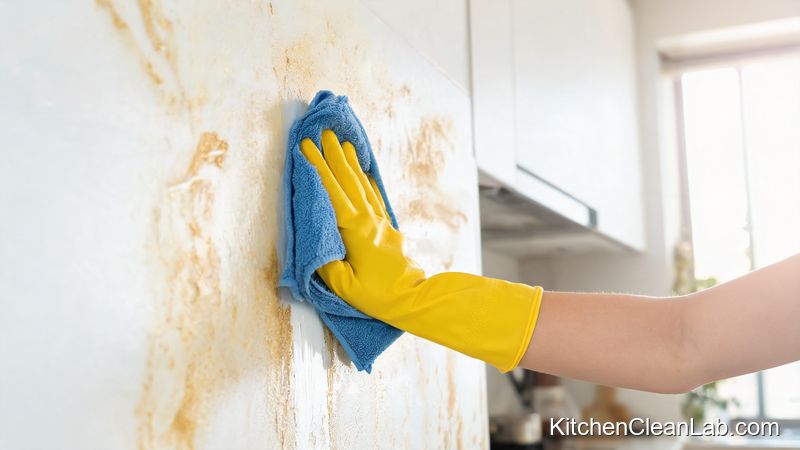
Understanding Why White Laminate Cabinets Turn Yellow from Oil Fumes
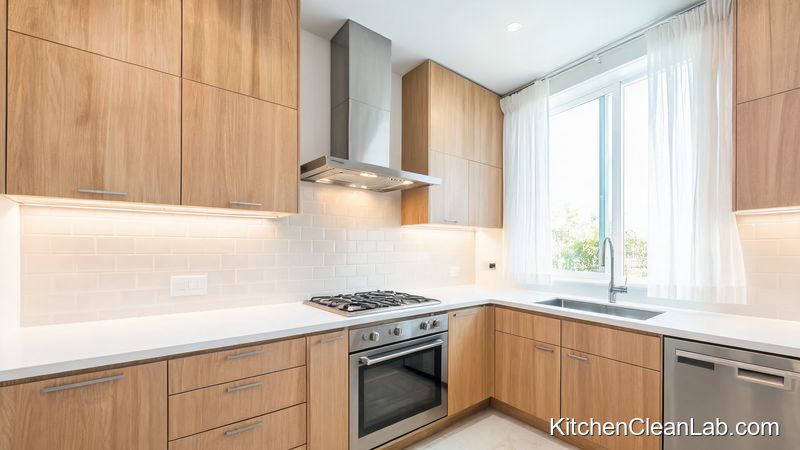
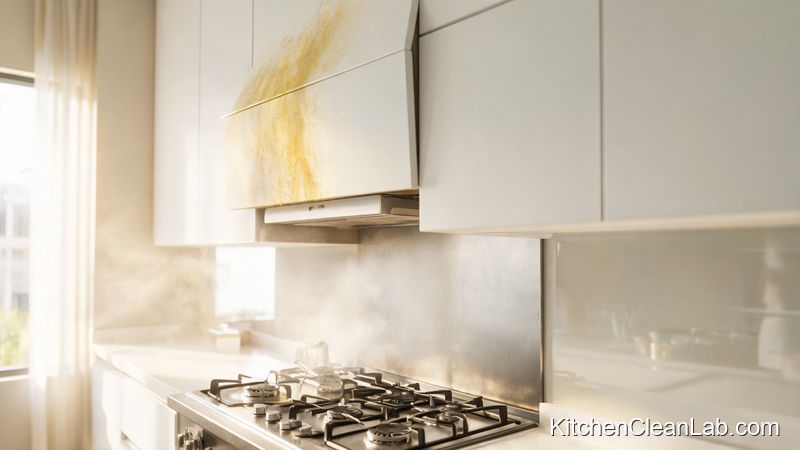
White laminate cabinets can turn yellow faster than many homeowners expect, especially near a stove or range. The main culprit is not simply dirt. It is polymerized oil fume residue. Every time you fry, saute, or roast, microscopic droplets of cooking oil are carried into the air by oil fumes. They land on cabinet surfaces and begin to oxidize. Within weeks, a nearly invisible grease layer becomes a sticky, amber film that makes white laminate look dull, yellow, and poorly maintained.
Laminate is valued because it is affordable and easy to wipe down, but it is not completely immune to airborne grease. The surface layer is non-porous, but grease can cling to the finish, settle into textured grain lines, and collect along edges, hinges, and raised trim. The longer the film remains, the more it polymerizes and bonds with the surface. That is why a simple water wipe often fails after months of exposure.
What Makes Laminate Cabinets Different from Painted Wood?
Before you clean, it helps to understand what you are working with. White laminate cabinets are typically made by fusing a decorative paper or plastic layer to an MDF or particleboard core. The surface is not painted wood, so it requires different care. Aggressive cleaners can permanently dull the finish.
- Non-porous surface: Laminate resists moisture, but oil can still polymerize on top of it and create a gummy film.
- Seams and edges: Grease tends to collect along door edges, handles, and trim, where it oxidizes and turns yellow.
- Heat sensitivity: Laminate can be damaged by harsh chemicals, excessive heat, or abrasive scrub pads, so cleaning methods must be controlled.
Because laminate is plastic-based, it can also yellow from heat and UV exposure, not just oil. However, when yellowing appears only near the stove or range hood, oil fumes are almost certainly the main cause.
How to Clean White Laminate Cabinets Yellowed by Oil Fumes: Step-by-Step
The safest approach is to work from the gentlest method to the strongest. Avoid steel wool, bleach, ammonia, oven cleaner, and highly alkaline degreasers. These can etch or cloud the laminate finish and make the yellowing worse.
Step 1: Gather the Right Supplies
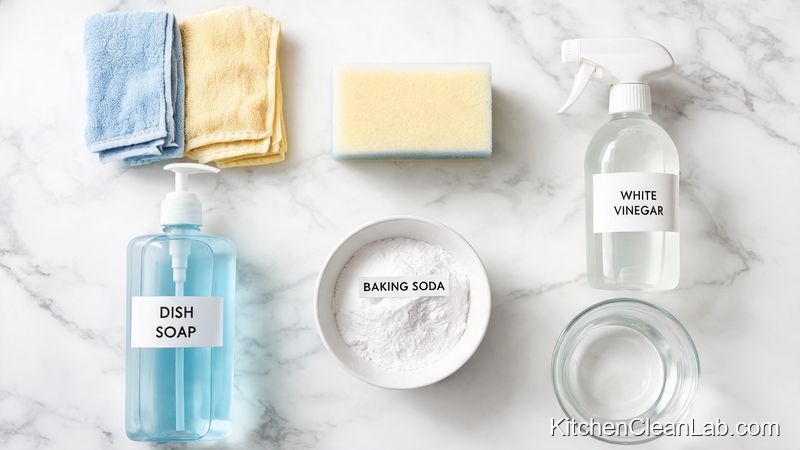
Having the correct tools prevents accidental scratching and makes the job faster. You will need:
- Clean microfiber cloths
- Non-abrasive sponges
- Warm water
- Grease-cutting dish soap
- Baking soda
- White vinegar
- Optional: a pH-neutral commercial degreaser safe for laminate
Step 2: Dry Wipe and Remove Loose Grease
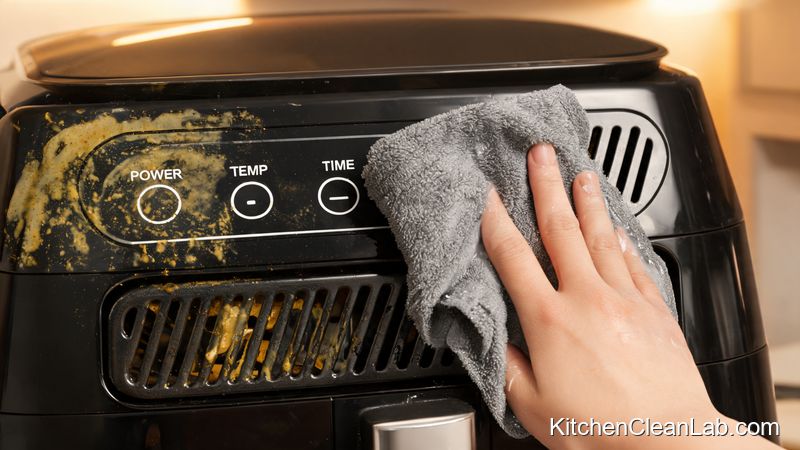
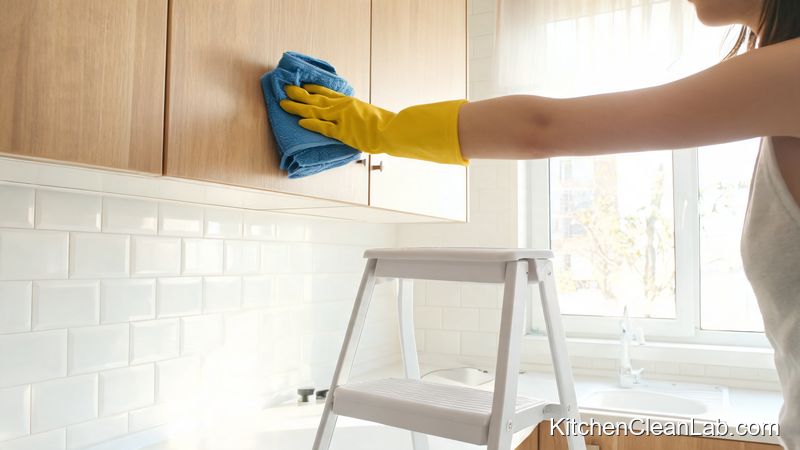
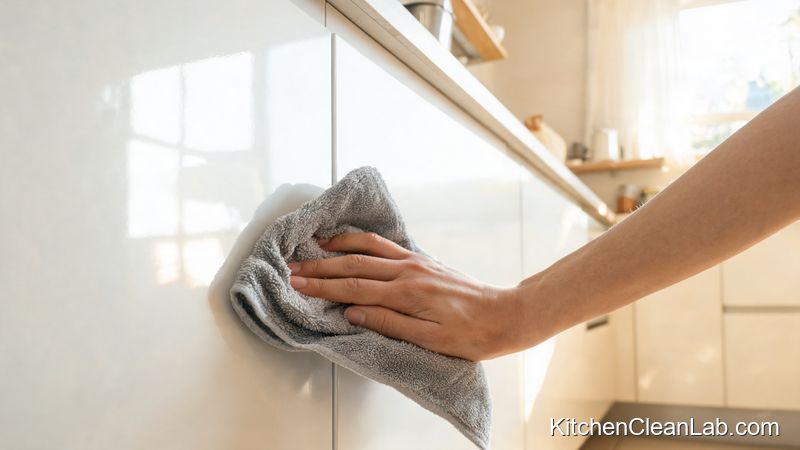
Before using any liquid, remove as much dry dust and loose grease as possible with a clean microfiber cloth. This prevents you from spreading an oily slurry across the cabinet. Wipe horizontally along the top edges, door fronts, and side panels. The top edge above the stove is often the most yellowed area because hot oil fumes rise and settle there.
Step 3: Wash with Warm Water and Dish Soap
Mix 2 to 3 drops of a grease-cutting dish soap with 2 cups of warm water. Dip a non-abrasive sponge or microfiber cloth in the solution, wring it out well, and wash the cabinet in small sections. Use circular motions on yellowed areas. Rinse the cloth frequently in clean water and change the water if it becomes cloudy or greasy. This step removes fresh oil residue and light yellowing.
Step 4: Apply Baking Soda Paste for Yellowed Areas
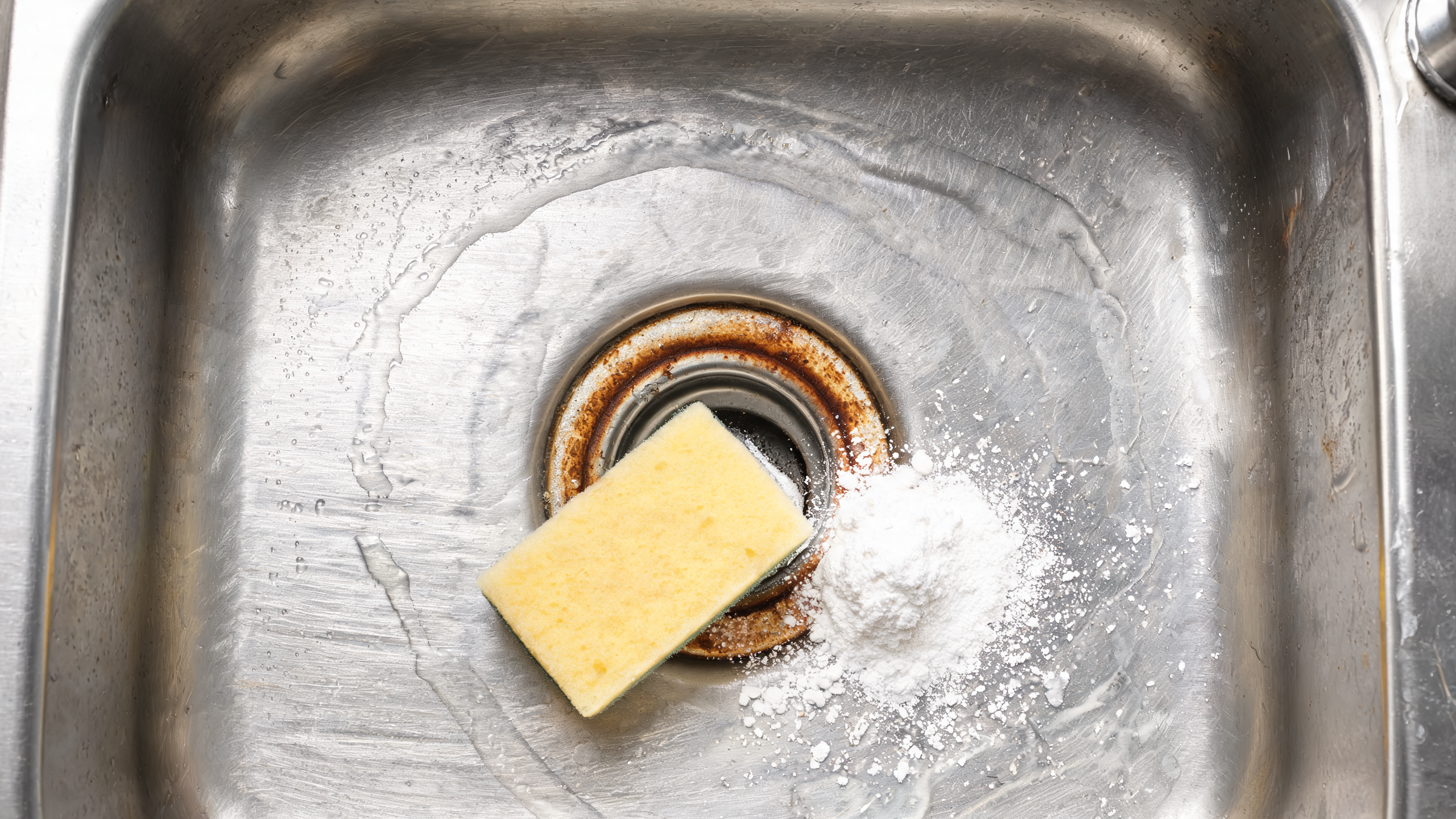
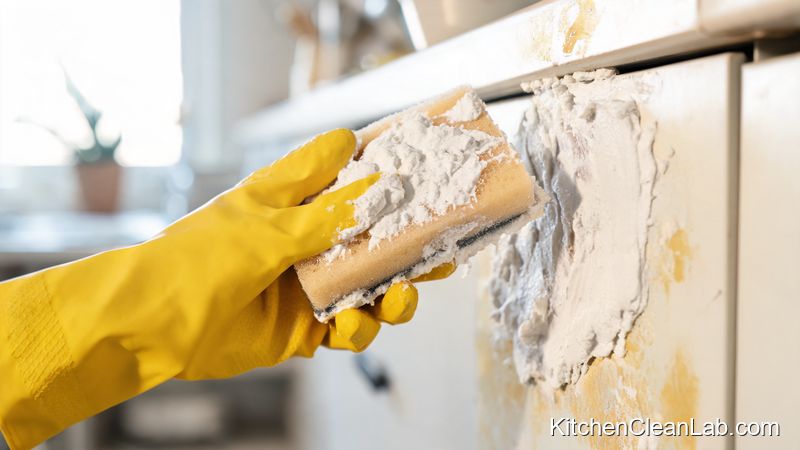
For stubborn yellow film, make a paste of 3 parts baking soda to 1 part water. Spread it over the yellowed area with your fingers or a soft cloth, not a scouring pad. Let it sit for 2 to 3 minutes. Then gently scrub in circles. The mild alkalinity of baking soda helps break down acidic grease bonds without dissolving the laminate surface. Rinse well afterward and test a hidden area first.
Step 5: Rinse and Buff Dry
Any leftover soap or baking soda can leave streaks and attract new oil, so rinse thoroughly. Wipe the cabinet with a clean damp cloth, then buff with a dry microfiber cloth. Leaving moisture or soap film on laminate can create a sticky surface that grabs more grease.
Natural DIY Cleaner Recipes for Oil Fume Yellowing
Sometimes dish soap alone is not enough. These natural degreasers for white laminate cabinets are stronger than soap but still safer than bleach or ammonia.
Vinegar and Water Degreaser
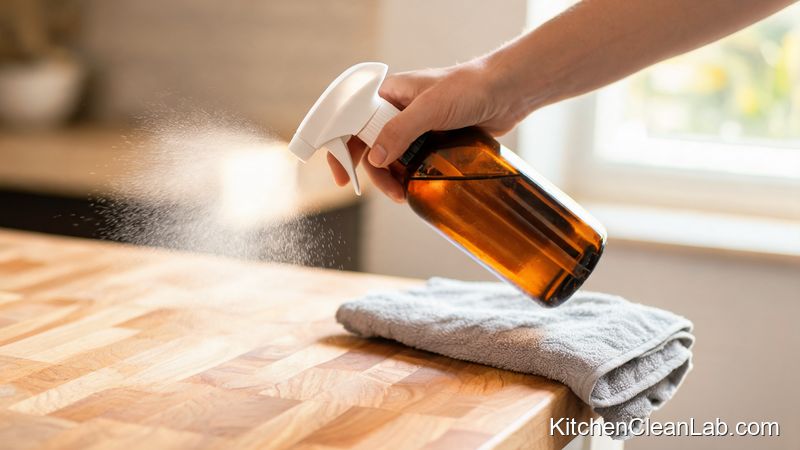
Mix equal parts white vinegar and warm water in a spray bottle. Spray the yellowed area, let it sit for 5 to 10 minutes, and wipe with a soft cloth. Rinse with clean water and dry. The mild acid helps dissolve mineral and grease film. Avoid using it on damaged edges or areas where the laminate is peeling.
Baking Soda and Hydrogen Peroxide Paste
Mix 2 tablespoons of baking soda with enough 3% hydrogen peroxide to form a paste. Apply it only to yellowed spots, wait 5 to 10 minutes, and gently wipe. This combination can lift yellow oxidation from white surfaces, but test it first because hydrogen peroxide may affect some colored trims or older laminate patterns.
Heavy-Duty Dish Soap and Vinegar Spray
Combine 2 cups of warm water, 1/4 cup of white vinegar, and 1 teaspoon of grease-cutting dish soap. Spray the solution on heavy residue, let it sit for 5 minutes, then wipe with a damp microfiber cloth. Rinse and dry completely.
Best Commercial Degreasers for Yellowed White Laminate Cabinets
If natural methods do not remove the yellowing, choose a product labeled safe for laminate or painted surfaces. Avoid products containing bleach, ammonia, sodium hydroxide, or solvents such as acetone or mineral spirits. Harsh degreasers can permanently etch or discolor laminate.
- Krud Kutter Kitchen Degreaser: Cuts through polymerized oil and is generally safe for laminate when used as directed.
- Citra Solv Natural Cleaner: Citrus-based and effective on burnt-on oil films.
- Weiman Cabinet & Wood Cleaner: A gentler option for regular maintenance and light residue.
- Method Heavy Duty Degreaser: Less aggressive than solvent-based cleaners but still effective on fresh grease.
Before using any commercial cleaner, test it on the back of a door or an inconspicuous edge. Apply, wait, and wipe. If the surface becomes sticky or dull, stop and rinse immediately.
How to Remove Deep Oil Fume Stains Without Damaging Laminate
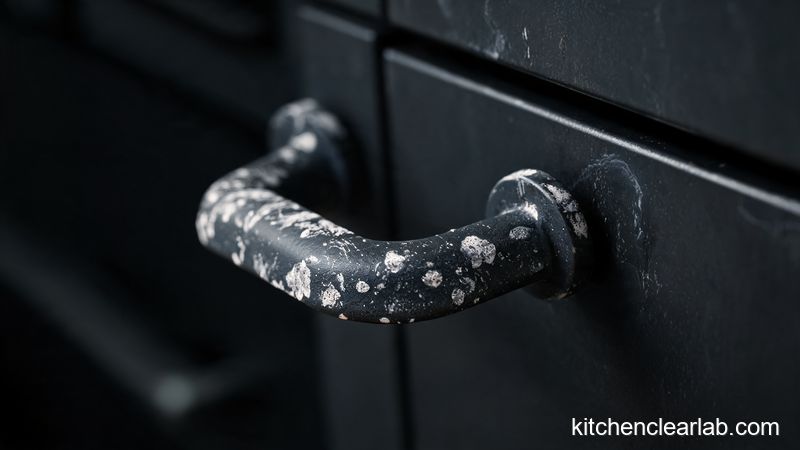
Deep yellowing around handles, trim, or edges may require more contact time. Use a soft toothbrush dipped in a mild degreaser. Work along seams gently. For thick sticky layers, dampen a cloth with a citrus degreaser, lay it on the stain for 10 minutes, then wipe. Never let liquid drip into laminate seams because it can swell the MDF core. Always dry the surface after cleaning.
If the yellowing appears to be inside the surface rather than on top of it, no cleaner will remove it because it is not grease. This type of discoloration usually comes from heat or UV exposure and may require cabinet refinishing or replacement.
Preventing White Laminate Cabinets from Yellowing Again
Prevention is more effective than repeated deep cleaning. Use these habits to keep white laminate cabinets bright and free of oil film.
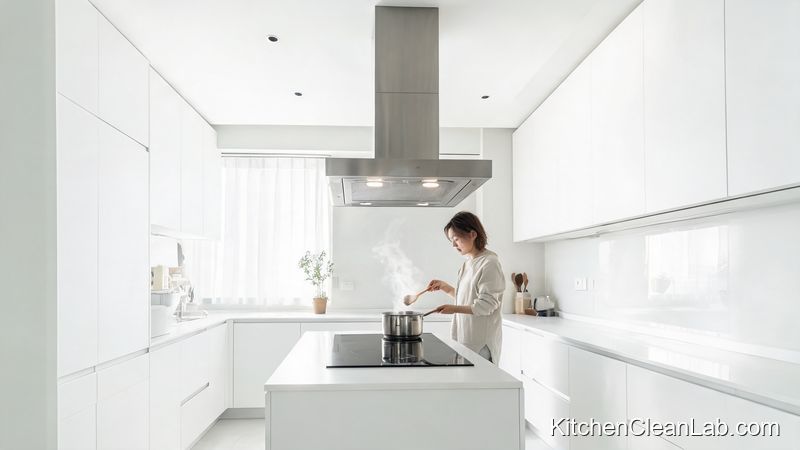
- Run ventilation: Use the exhaust fan or range hood every time you fry, saute, or roast.
- Wipe weekly: Dampen a microfiber cloth with warm water and a drop of dish soap, then wipe cabinet fronts near the stove.
- Clean upper surfaces monthly: Grease drifts upward, so do not ignore tops of upper cabinets.
- Use cabinet guards: Place washable, removable guards above the stove to catch oil splatter.
- Keep cabinets dry: Moisture plus grease makes yellowing worse.
- Block direct sunlight: Install UV-blocking window film or blinds if cabinets are near bright windows.
When to Call a Professional or Refinish
If cleaning does not remove the yellow because the laminate has degraded from heat or age, it may be time for professional help. Signs include yellowing that is even or patchy, a cracked or peeling finish, a surface that remains sticky after degreasing, or a white cabinet that has turned beige. Professional cabinet refinishing can restore the look with a bonding primer and non-yellowing topcoat. In some cases, replacing doors is more cost-effective than refinishing damaged laminate.
FAQ: Cleaning Yellowed White Laminate Cabinets
Can you use bleach on white laminate cabinets? No. Bleach can weaken the laminate bond, dull the surface, and cause further yellowing. Use gentle degreasers instead.
Will vinegar damage laminate cabinets? Diluted vinegar is generally safe for short contact, but avoid using it on damaged edges or peeling laminate. Always rinse and dry.
Why do my white laminate cabinets still look yellow after cleaning? The residue may be oxidized inside the surface texture, or the laminate itself may have heat or UV damage. If the yellowing is not removed by degreasing, it may not be surface dirt.
Is Magic Eraser safe for laminate cabinets? Avoid Magic Eraser on glossy or colored laminate. It acts like fine sandpaper and can dull the finish, making it more likely to trap grease.
How often should I clean cabinets to prevent yellowing? Wipe high-touch and stove-adjacent surfaces weekly, and perform a deeper cleaning monthly or whenever you notice a sticky film.
Can I use oven cleaner on yellowed laminate cabinets? No. Oven cleaners contain strong alkalis that can dissolve or cloud the laminate surface and permanently damage the cabinet.
Conclusion
Cleaning white laminate cabinets yellowed by oil fumes is usually a matter of removing polymerized cooking oil. Start with mild dish soap, then use baking soda or vinegar for stubborn film. Turn to a safe commercial degreaser only if needed. Most importantly, run the range hood, wipe cabinets weekly, and keep surfaces dry. If the yellowing remains after thorough cleaning, the laminate itself may be damaged and require professional refinishing or replacement.