Why Stainless Steel Refrigerators Streak—and How to Stop It
Stainless steel refrigerators are designed to resist rust and corrosion, but their brushed metal surface has microscopic grooves. When you clean or polish against the grain, residue settles into those tiny valleys and creates visible streaks. The same happens when you use too much product, a lint-heavy cloth, or water that dries on the surface. Learning how to polish a stainless steel refrigerator without leaving streaks is less about buying an expensive miracle cleaner and more about using the right technique, the right cloth, and the right final buff.
Below, you will find a complete skyscraper-level guide that combines the most effective DIY methods, step-by-step instructions, and practical prevention tips. Each method is safe for food-contact areas when used correctly, and each step is designed to give your refrigerator a crisp, fingerprint-resistant shine.
The Science Behind Streak-Free Stainless Steel Polishing
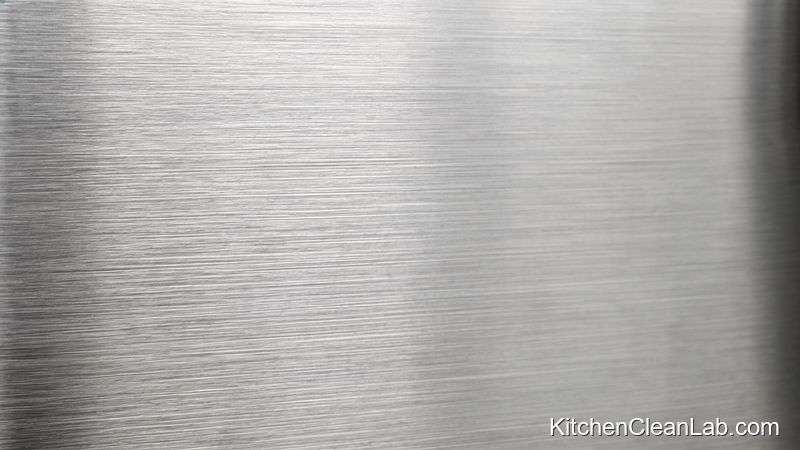
Stainless steel is not a mirror-smooth surface. Under magnification, a brushed finish has fine parallel ridges and valleys. Light reflects evenly when those ridges are clean and aligned. Streaks appear when oil, hard water minerals, or cleaning residue fill the valleys unevenly or when cloth fibers scatter light in different directions. A clean, dry microfiber cloth removes excess product and leaves behind only an extremely thin, even film. That is why the final dry buff matters as much as the cleaner itself.
Microfiber is especially effective because its split fibers trap oil and water without scratching the metal. Unlike paper towels, a high-quality microfiber cloth does not shed lint into the grooves of the grain. For a true streak-free stainless steel refrigerator polish, always finish with a dry microfiber cloth that has never been washed with fabric softener.
What You Need to Polish a Stainless Steel Refrigerator Without Streaks
Before you start, gather supplies that support a streak-free stainless steel refrigerator polish. Avoid abrasive scrubbers, steel wool, and chlorine-based cleaners. These can scratch the brushed finish and make streaks worse.
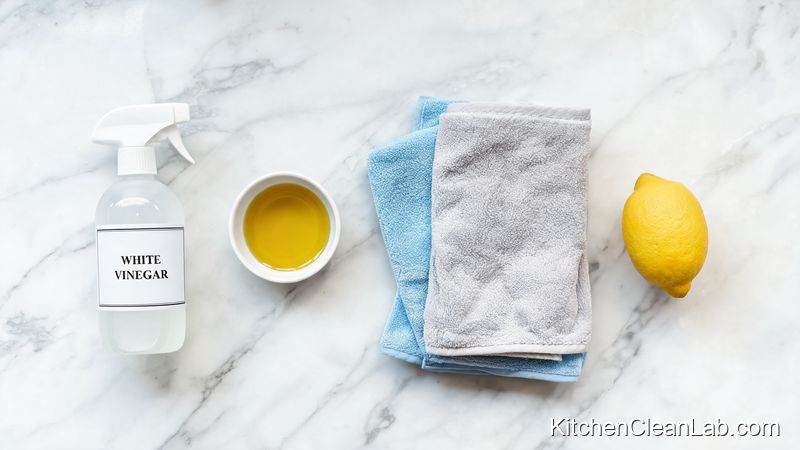
- Microfiber cloths – at least two or three clean, lint-free cloths. One for cleaning, one for oil or polish, and one for final dry buffing.
- 100% cotton cloths – soft, non-abrasive options for rinsing or drying if microfiber is unavailable.
- Dish soap – a mild, grease-cutting liquid soap such as Dawn.
- White vinegar – diluted with water in a spray bottle for fingerprint removal.
- Mineral oil, baby oil, or olive oil – a very small amount for final polishing and fingerprint resistance.
- Commercial stainless steel cleaner or polish – optional but useful for deeper stains or a longer-lasting protective film.
- Spray bottle – for water, vinegar solution, or club soda.
- Soft flour sack towel or wax paper – optional for a final anti-smudge barrier.
Always test any product on a small, less visible area of the refrigerator, such as the side edge or bottom trim, before polishing the main door panels.
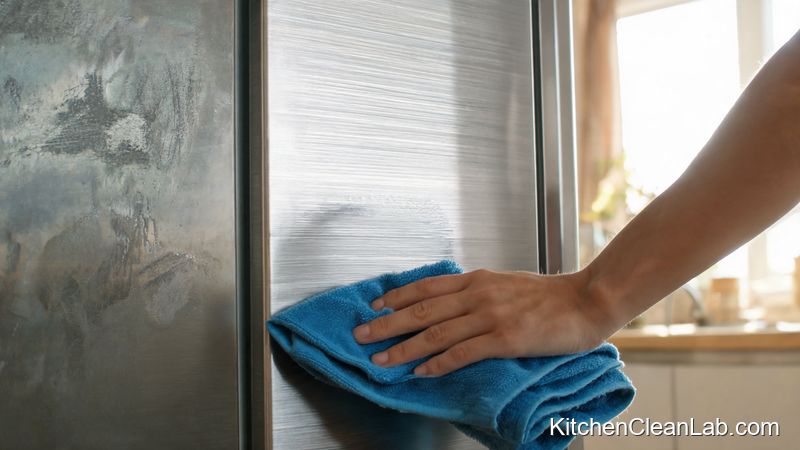
Step-by-Step: How to Polish Stainless Steel Refrigerators Without Leaving Streaks
1. Identify the Direction of the Grain
Stainless steel has a directional grain—faint lines that run horizontally or vertically across the surface. Look closely at the refrigerator door under bright light. When you wipe with the grain, you lift residue out of the grooves instead of pushing it deeper. Wiping against the grain is the number one cause of persistent streaks, even when the surface is technically clean.
Important: Handles, trim pieces, and control panels may have a different grain direction than the main door. Check each section separately before you begin.
2. Remove Grease and Fingerprints First
Polishing a dirty surface will only spread oils and create a hazy film. Start by dampening a clean microfiber cloth with warm water. Add one drop of mild dish soap and work the cloth until it produces a light lather. Wring it out thoroughly so it is damp, not dripping.
Wipe the entire refrigerator door in the direction of the grain, using long, overlapping strokes. Rinse the cloth frequently in clean water and repeat if necessary. For heavy fingerprints around handles, apply a small amount of diluted white vinegar to a second cloth and wipe the area again. Vinegar cuts through skin oils and food splatter without leaving a sticky residue.
3. Dry Completely Before Polishing
Water left on the surface is a fast track to streaks and mineral spots. Use a fresh, dry microfiber cloth to buff the door until it feels completely dry to the touch. If you see any water marks, lightly mist the area with plain water and dry again. Never move to the polishing step while the surface is damp.
4. Apply a Very Small Amount of Polish or Oil
Whether you choose a commercial polish, olive oil, mineral oil, or a dedicated stainless steel polish, less is more. Place two or three tiny drops of oil or a single pump of commercial polish on a clean, folded microfiber cloth. Do not spray or pour polish directly onto the refrigerator door unless the product label specifically instructs otherwise. Direct application can create uneven coating and noticeable drip lines.
Using a dry cloth with too much product is the second most common cause of streaks. If the cloth feels greasy or leaves a visible oily trail, stop and switch to a fresh cloth.
5. Buff with the Grain, Then Finish with a Dry Cloth
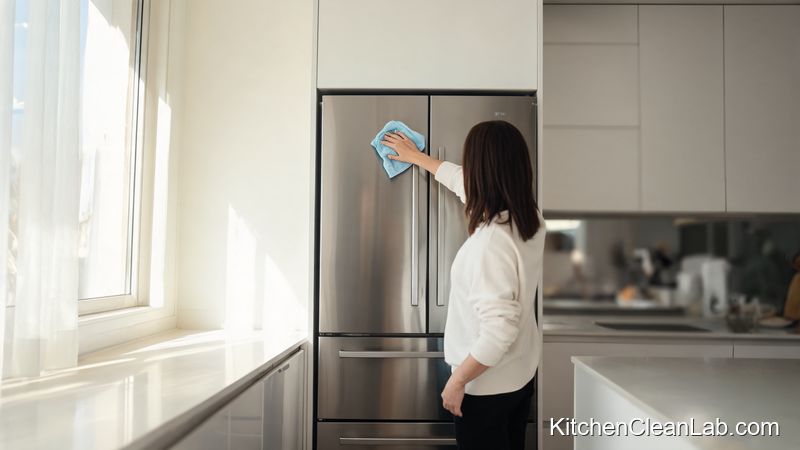
Buff the surface in the direction of the grain using light, even pressure. Cover the entire door in small sections, refolding the cloth as it picks up residue. For a final mirror-like finish, take another completely dry microfiber cloth and buff the door again with quick, gentle strokes. This final dry pass removes any remaining product and aligns the microscopic fibers for a uniform reflection.
If you still see streaks, it usually means one of three things: too much polish was used, the cloth was not clean, or the door was not completely dry before polishing. Correct those three factors before trying a different product.
Best DIY Methods for a Streak-Free Stainless Steel Refrigerator Polish
Different refrigerators respond differently depending on the finish, brand, and age. The following methods are the most reliable ways to clean and polish stainless steel refrigerators without leaving streaks.
White Vinegar and Olive Oil Method
This method works because white vinegar dissolves grease and hard water spots, while olive oil restores a deep, even shine and temporarily repels fingerprints.
- Spray a 50/50 mix of white vinegar and water onto a clean microfiber cloth—not directly onto the refrigerator.
- Wipe the surface with the grain to remove grime and fingerprints.
- Dry the surface thoroughly with a clean cloth.
- Put two or three drops of olive oil on a fresh cloth and buff the door with the grain.
- Use a final dry cloth to remove any excess oil and eliminate streaks.
Dish Soap and Mineral Oil Method
Mild dish soap removes cooking grease and everyday residue, while mineral oil provides a food-safe, odorless polish that will not go rancid the way some plant-based oils can.
- Dampen a cloth with warm water and add one drop of dish soap.
- Clean the refrigerator door with the grain, then rinse with a damp cloth and dry fully.
- Apply a tiny amount of mineral oil to a fresh cloth.
- Buff the surface in the direction of the grain until the shine is even and non-greasy.
- Finish with a dry microfiber buffing pass.
Club Soda Method
Club soda is mildly acidic and carbonated, which helps lift light fingerprints and water spots without leaving a residue. This is a good option for quick touch-ups between deeper cleanings.
- Pour plain club soda into a clean spray bottle.
- Spray a light mist onto a microfiber cloth.
- Wipe the surface following the grain.
- Dry immediately with a clean cloth to prevent water spots.
Commercial Stainless Steel Cleaner Method
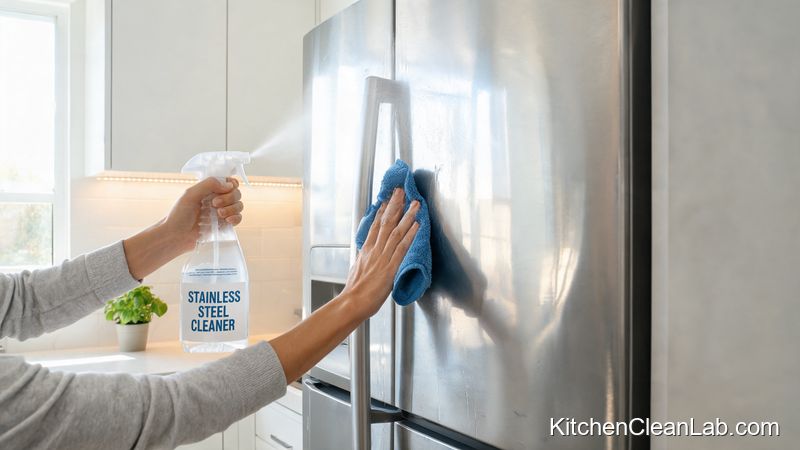
For heavy staining, fine scratches, or older refrigerators that have lost their luster, a commercial stainless steel cleaner and polish can be the fastest route to a streak-free finish. Choose a product that is labeled non-abrasive, food-safe for kitchen surfaces, and specifically designed for brushed stainless steel.
- Read the label and test on a hidden area first.
- Apply a small amount to a folded microfiber cloth.
- Wipe the cleaner onto the surface with the grain using overlapping passes.
- Allow the product to haze only if the label says to do so; otherwise, buff immediately.
- Use a clean, dry microfiber cloth to buff away haze and reveal a high-shine, streak-free finish.
WD-40 or Lemon Oil Furniture Polish Method
WD-40 and lemon oil can clean and shine stainless steel, but they must be used carefully. WD-40 is petroleum-based and should not be used near open flames, and food-contact areas should be rinsed or buffed thoroughly after use. Lemon oil furniture polish can leave a pleasant scent and a temporary shine, but it may contain waxes or silicones that build up over time.
- Spray WD-40 onto a cloth, not the surface, then wipe with the grain.
- Buff with a dry cloth to remove excess product and minimize streaks.
- For lemon oil, apply a small amount to a cloth, buff it in, and then wipe clean with a separate microfiber towel.
Common Mistakes That Cause Streaks on Stainless Steel Refrigerators
Avoid these errors to keep your stainless steel refrigerator polish streak-free from the start.
- Using too much polish or oil. A few drops are enough for an entire door.
- Skipping the cleaning step. Polish cannot remove grease; it only spreads it.
- Polishing a wet surface. Moisture traps residue and creates haze.
- Wiping against the grain. This pushes residue into crevices and scatters light.
- Using dirty or fabric-softener-coated cloths. Residue from dryer sheets transfers to the metal.
- Applying cleaner directly to the surface. Overspray drips and leaves uneven marks.
How to Prevent Streaks on Stainless Steel Refrigerators
Prevention is easier than correction. Once you achieve a streak-free stainless steel refrigerator, these habits will keep it looking clean and polished longer.
- Always wipe with the grain. Check the grain direction every time, especially around handles and trim.
- Use only clean, lint-free cloths. Wash microfiber cloths separately from fabric softener and dryer sheets, which can leave a film.
- Avoid too much water or product. A barely damp cloth and a few drops of polish are enough for most doors.
- Dry after every cleaning. Never let water or cleaner air-dry on stainless steel.
- Touch up fingerprints daily. Keep a dry microfiber cloth nearby and wipe fingerprints as they appear to prevent oil buildup.
- Use a protective polish or wax. A very thin layer of mineral oil, food-grade stainless steel polish, or wax paper buffing can reduce fingerprint adhesion.
- Avoid abrasive cleaners. Powder cleansers, bleach, and scrub sponges create micro-scratches that catch light and look like streaks.

Frequently Asked Questions About Polishing Stainless Steel Refrigerators Without Leaving Streaks
Can I use paper towels to polish a stainless steel refrigerator?
Paper towels can work in a pinch, but they often leave tiny lint fibers and can create static that attracts dust. For a true streak-free stainless steel refrigerator polish, use a clean microfiber cloth or a high-quality 100% cotton cloth. If you must use paper towels, choose a low-lint brand and finish with a dry microfiber buff.
Does olive oil go rancid on stainless steel appliances?
Olive oil can oxidize over time, especially in warm kitchens, and may become sticky if applied too heavily. If you use olive oil, apply only two or three drops and buff the surface completely dry with a clean cloth. For longer-term protection and less risk of odor, mineral oil is a better food-safe choice because it does not go rancid.
How often should I polish my stainless steel refrigerator?
For busy kitchens, a light polish with a dry microfiber cloth can be done every few days to remove fingerprints. A deeper cleaning and polish with dish soap and mineral oil or a commercial stainless steel cleaner is usually needed every two to four weeks, depending on household traffic and cooking frequency.
What is the best commercial polish for stainless steel refrigerators?
The best commercial polish is one that is non-abrasive, streak-free, and safe for food-contact surfaces. Products that contain mineral oil or a mild solvent are often effective. Always read the label, test on a hidden area, and use a clean cloth to buff away all haze for a mirror-like finish.
Why does my stainless steel refrigerator still look cloudy after polishing?
Cloudiness usually comes from too much product, water residue, or polishing against the grain. Wash the surface with warm water and a drop of dish soap, dry it completely, then polish with a very small amount of mineral oil or commercial polish using a fresh cloth. Buff the surface again with a dry microfiber cloth, following the grain, and the cloudiness should disappear.
Conclusion: Get a Mirror-Like, Streak-Free Finish Every Time
Mastering how to polish stainless steel refrigerators without leaving streaks comes down to three simple rules: clean first, use very little polish, and always finish with a dry microfiber cloth in the direction of the grain. Whether you choose a DIY method with vinegar and olive oil, a food-safe mineral oil polish, or a commercial stainless steel cleaner, the technique matters more than the product. By following the step-by-step process above and adopting a few daily habits, you can keep your refrigerator looking like new—without fingerprints, without haze, and without streaks.