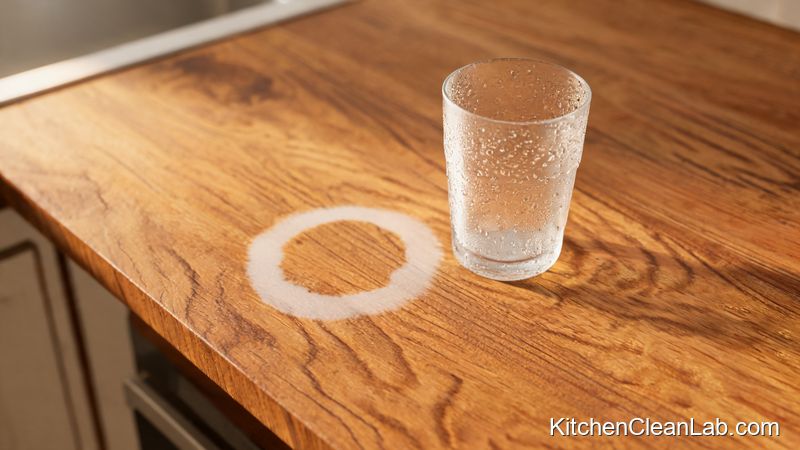
Why Acid-Free Cleaning Is Essential for Kitchen Backsplash Grout
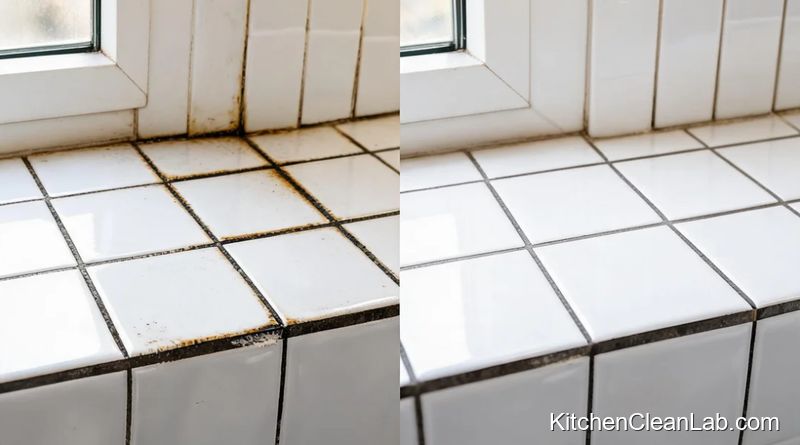
Kitchen backsplash grout faces a daily assault of cooking grease, food splatters, steam, and hard water deposits. Because grout is porous, it absorbs these substances quickly, turning light grout dark, sticky, or stained. Many traditional cleaning recommendations rely on vinegar, lemon juice, or acidic grout cleaners. While acid can dissolve mineral buildup, it also risks etching natural stone, dulling tile finishes, and weakening cement-based grout over time. Learning how to clean tile grout on kitchen backsplashes without acid gives you a safer and still highly effective route to bright, stain-free grout. Acid-free methods use mild abrasives, oxygen-releasing reactions, degreasing surfactants, and heat to lift grime without damaging surfaces.
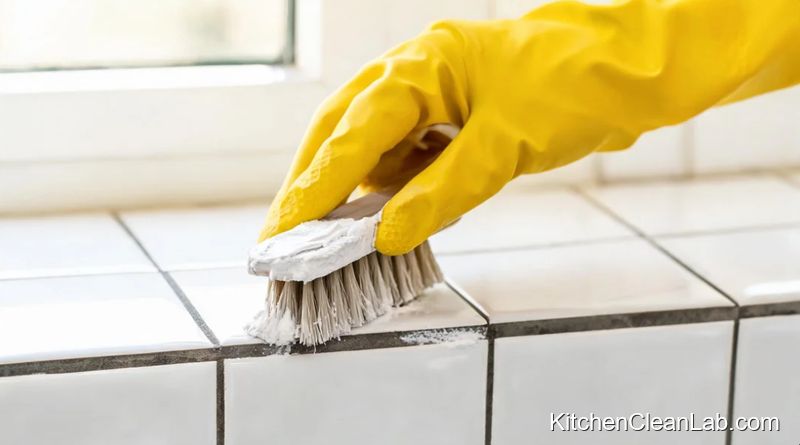
Understanding Kitchen Backsplash Grout and Why It Gets Dirty
Kitchen grout is not the same as bathroom grout. Near the stove, airborne grease particles settle on tile and grout, creating a film that traps dust and food residue. Near the sink, water splashes and soap residues can leave a cloudy haze. Dark lines near the cooking area are usually grease, while pink or black spots near moisture can indicate mildew. The porous structure of grout means stains are not just on the surface; oils and pigments can penetrate below the surface. That is why a simple wipe often fails and why the right acid-free grout cleaner process matters.
Another key point is that acid is not the only way to break down grime. Grease is best removed with surfactants or mild alkaline pastes. Organic stains respond well to oxygen-based cleaners like hydrogen peroxide. Mold and mildew can be treated with hydrogen peroxide or steam. Mineral haze may take more mechanical effort, but it can be managed with steam and non-acidic chelating cleaners. This broader approach protects both ceramic and natural stone installations.
Acid-Free Cleaning Supplies You Need
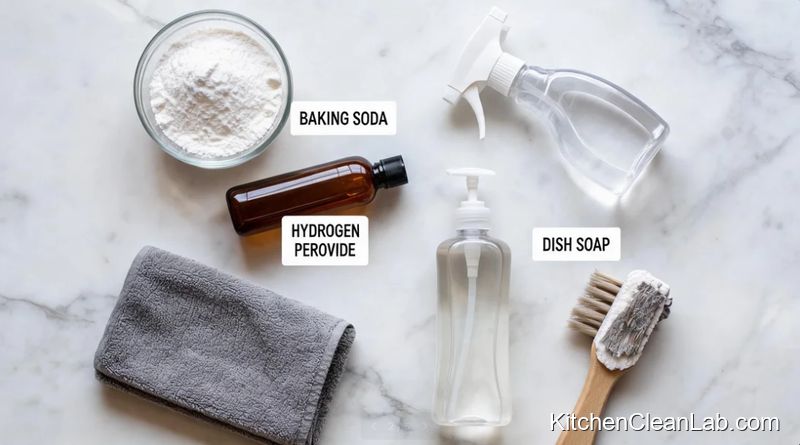
Before you begin, gather the following supplies. None of these products rely on acid to clean grout.
- Baking soda — a mild abrasive and alkaline powder that cuts grease and lifts grime.
- Hydrogen peroxide — 3% food-grade solution, which releases oxygen and breaks down organic stains.
- Dish soap — a pH-neutral or mild degreasing soap for cutting cooking oil.
- Oxygen bleach — sodium percarbonate-based cleaner, safer than chlorine bleach for colored grout.
- Steam cleaner — uses heat to loosen grease and kill mold without chemicals.
- Grout brush — a stiff-bristle brush or old toothbrush for targeted scrubbing.
- Microfiber cloths — for wiping, rinsing, and drying.
- Spray bottle — for applying hydrogen peroxide or soapy water.
- Warm water — helps dissolve grease and activate cleaning pastes.
- pH-neutral stone cleaner — if your backsplash uses natural stone such as marble, travertine, or limestone.
Acid-Free Cleaning Routine: Daily, Weekly, and Monthly Care
Consistent care prevents deep stains and limits the need for aggressive scrubbing. A quick daily wipe with a damp microfiber cloth and a few drops of dish soap removes grease before it penetrates. Weekly, use the baking soda paste method to deep clean grout lines. Monthly, apply an oxygen bleach solution or use a steam cleaner to reset heavily used areas. This schedule works especially well behind the stove and around the sink where grime accumulates fastest.
Step-by-Step: How to Clean Tile Grout on Kitchen Backsplashes Without Acid
This routine works well for ceramic, porcelain, and most natural stone tiles, but always test a small hidden area first. Avoid vinegar, lemon juice, and acidic commercial cleaners throughout the process.
Step 1: Remove Loose Debris and Grease Film
Use a dry microfiber cloth or soft brush to remove loose dust and crumbs from the backsplash. Next, mix a few drops of dish soap with warm water in a spray bottle. Lightly mist the tile and wipe with a damp cloth. This lifts the greasy top layer and prepares the grout for deeper cleaning. Do not soak the grout; too much moisture can push dirt deeper.
Step 2: Apply an Acid-Free Baking Soda Paste
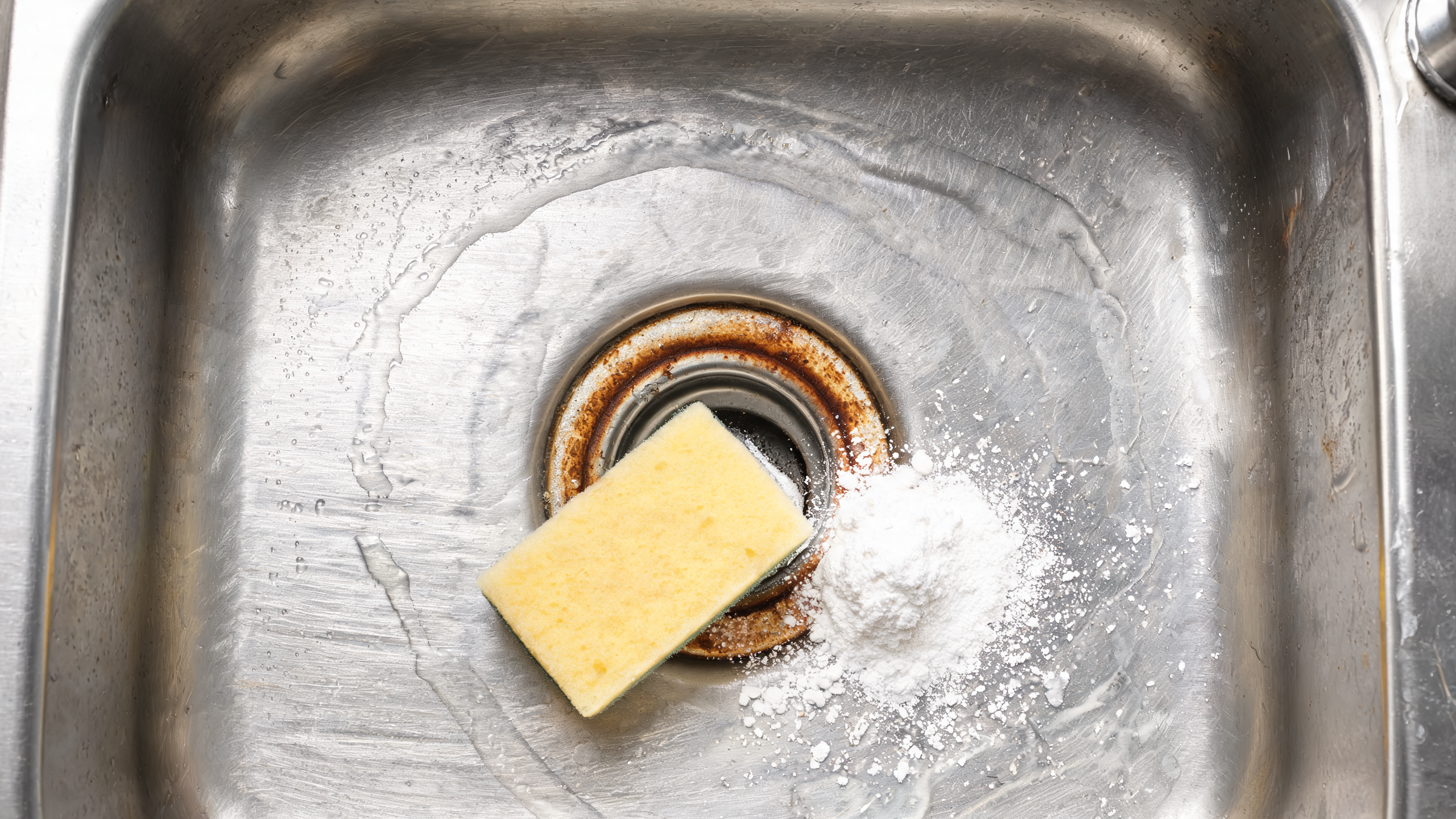
Mix baking soda with enough warm water to create a thick paste, about three parts baking soda to one part water. For extra degreasing power, add one or two drops of dish soap. Use your fingers, a spoon, or a grout brush to spread the paste directly onto the grout lines. Let it sit for 10 to 15 minutes. Baking soda is mildly alkaline, not acidic, so it breaks down greasy film without etching tile or stone.
Step 3: Boost with Hydrogen Peroxide
Spray or pour a small amount of 3% hydrogen peroxide over the baking soda paste. You will see gentle fizzing. This oxygen-based reaction helps lift embedded dirt, food pigments, and light grease from the porous grout. It is safer than chlorine bleach and does not create harsh acid fumes. Do not mix hydrogen peroxide with vinegar or bleach.
Step 4: Scrub with a Stiff-Bristle Grout Brush
Use a grout brush or old toothbrush to scrub each grout line in small circular motions. Then switch to back-and-forth strokes along the line. Reapply paste to dark or heavily stained areas as needed. The combination of mild abrasive action and oxygen release removes most kitchen grime without acid.
Step 5: Rinse and Dry Thoroughly
Dampen a clean microfiber cloth with warm water and wring it out well. Wipe the backsplash to remove all paste and loosened grime. Rinse the cloth frequently. Finish by drying the grout lines with a separate dry cloth. This prevents moisture from lingering and discourages mildew growth.
Acid-Free Deep Cleaning Options for Stubborn Backsplash Grout
If regular cleaning is not enough, use one of the following acid-free grout cleaning methods to tackle heavier buildup.
Oxygen Bleach Soak
Oxygen bleach, often sold as sodium percarbonate, is an excellent non-acid alternative for stained grout. Mix the powder with warm water according to the package directions, or make a thick paste for vertical surfaces. Apply it to the grout lines and let it dwell for 20 to 30 minutes. Scrub with a grout brush, then rinse. Oxygen bleach is generally color-safe and less damaging than chlorine bleach, but test a hidden area first.
Steam Cleaning
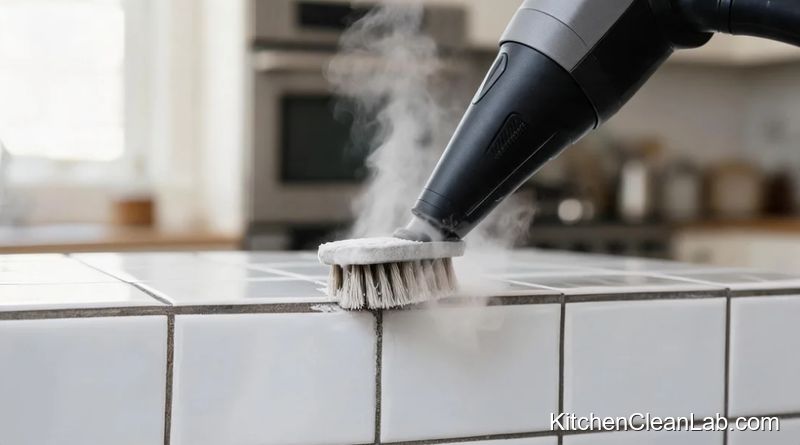
A steam cleaner with a small brush attachment is one of the most powerful acid-free tools for kitchen grout. The high-temperature steam softens grease, lifts dirt from pores, and kills mold and mildew without chemicals. Work in small sections and wipe away loosened residue with a microfiber cloth as you go. Steam is safe for most ceramic, porcelain, and natural stone tiles, but avoid using steam on cracked or loose grout until repairs are made.
Enzyme-Based Cleaners
Enzyme cleaners break down organic matter such as grease, food proteins, and oils. Look for a pH-neutral or enzyme-based kitchen cleaner labeled safe for grout. Spray it on, allow the dwell time recommended on the label, then scrub and rinse. This method is especially useful for backsplash areas behind the stove where grease buildup is heavy.
How to Remove Specific Stains Without Acid
Grease and Oil Stains
Apply a paste of baking soda and dish soap directly to the greasy grout. Let it sit for 15 minutes, scrub, and rinse. For stubborn grease, repeat the process or use an enzyme cleaner before the baking soda paste.
Tomato Sauce, Coffee, and Red Wine Stains
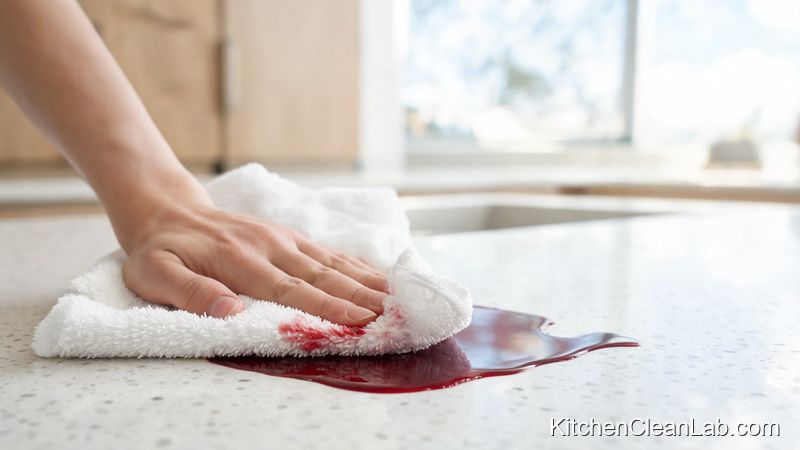
These pigment-heavy stains respond well to hydrogen peroxide. Make a paste of baking soda and hydrogen peroxide, apply it to the stained grout, and leave it for 20 to 30 minutes. Scrub gently and rinse. The oxygen action lifts color from the grout surface without acid. Test colored grout first because hydrogen peroxide can lighten some dyes.
Mold and Mildew
Spray 3% hydrogen peroxide directly onto dark mold spots. Let it dwell for 15 to 20 minutes, scrub with a stiff brush, and wipe clean. For larger areas, use an oxygen bleach solution. Avoid chlorine bleach on colored grout, and never mix it with other cleaners.
Hard Water and Mineral Haze
Mineral deposits can be more challenging without acid, but a steam cleaner can soften the haze and make it easier to scrub away. You can also use a commercial non-acidic limescale remover that uses chelating agents to bind minerals. Apply, dwell, scrub, and rinse according to the label. This approach removes scale without the risk of acid etching.
Sealing Grout to Prevent Future Stains
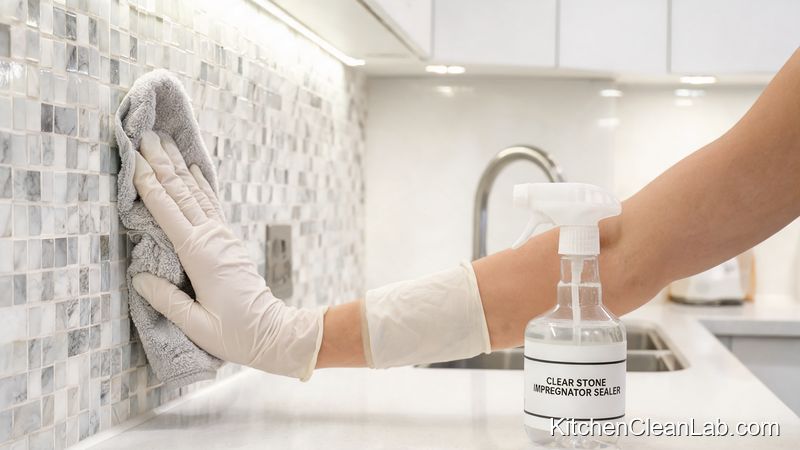
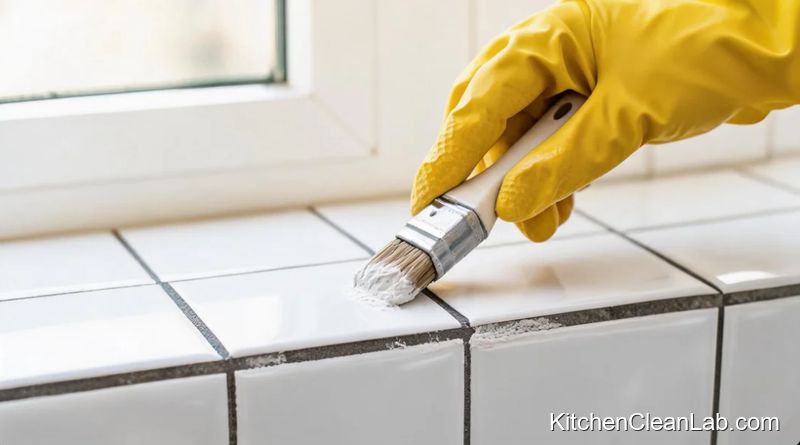
Cleaning is only half the battle. Sealing kitchen backsplash grout is one of the best ways to reduce future staining. A penetrating grout sealer fills the pores and creates a barrier against grease, water, and food pigments. It does not change the look of most grout if applied correctly.
Seal grout every 12 to 18 months, or more often in high-use kitchens. First, make sure the grout is clean and completely dry. Apply the sealer with a small brush or applicator bottle along the grout lines. Wipe any sealer off the tile surface before it dries. Allow the sealer to cure as directed. You can test if grout needs sealing by dropping a few drops of water on a grout line. If the water beads up, the sealer is working. If it soaks in, it is time to reseal.
Common Mistakes to Avoid
- Using vinegar or acidic cleaners on natural stone. Acid can etch marble, travertine, and limestone.
- Skipping the dry step. Moisture left in grout can lead to mold and mildew.
- Using chlorine bleach on colored grout. It can cause fading or patchy discoloration.
- Scrubbing with metal brushes. Metal can scratch tile and erode grout.
- Mixing hydrogen peroxide with vinegar or bleach. This can create dangerous reactions and is unnecessary.
- Ignoring grout sealing. Unsealed grout stains faster and requires more frequent deep cleaning.
How to Clean Tile Grout on Kitchen Backsplashes Without Acid: FAQ
Can I clean kitchen backsplash grout without vinegar or acid?
Yes. Baking soda, hydrogen peroxide, dish soap, oxygen bleach, steam, and enzyme cleaners are all effective acid-free options. They remove grease and stains without the risks associated with acidic cleaners.
Is baking soda safe for tile grout?
For most ceramic, porcelain, and natural stone tiles, baking soda is safe as a mild abrasive. It is not acidic and is less aggressive than many commercial scouring powders. Always test a small hidden area if you have delicate stone.
What is the best acid-free cleaner for kitchen backsplash grout?
A baking soda and hydrogen peroxide paste is one of the best DIY acid-free cleaners. For commercial options, look for a pH-neutral grout cleaner or an oxygen bleach-based product labeled safe for kitchen grout.
How often should I clean and seal backsplash grout?
Wipe down the backsplash after every cooking session. Deep clean grout lines weekly or biweekly. Seal grout every 12 to 18 months, or when the water test shows sealer is no longer working.
Does hydrogen peroxide damage colored grout?
Hydrogen peroxide has mild lightening potential. On white or light grout it is usually safe, but it can fade some colored grout. Test it on a hidden section before applying it to visible areas.
Can I use steam on kitchen backsplash grout?
Yes. A steam cleaner with a brush attachment is a powerful acid-free method. It lifts grease, kills mold, and requires no chemicals. Use it on intact grout and avoid cracked or crumbling areas.
Conclusion
How to clean tile grout on kitchen backsplashes without acid is not only possible; it is often the smartest approach. Acid-free cleaning protects natural stone, preserves colored grout, and still breaks down the grease, food stains, and mildew that make backsplashes look dirty. Start with a simple baking soda and hydrogen peroxide routine, add steam or oxygen bleach for deep buildup, and finish with a quality grout sealer. With consistent care, your kitchen backsplash grout can stay bright, clean, and protected without a drop of acid.