Why Kitchen Grease Buildup Is Different on Vinyl Plank Flooring
Quick answer: Cooking oil becomes an airborne film that settles on the planks, then traps dust and foot-traffic grit. This mixture abrades the wear layer and leaves vinyl looking dull, so pH-neutral degreasing before the residue bonds is essential.
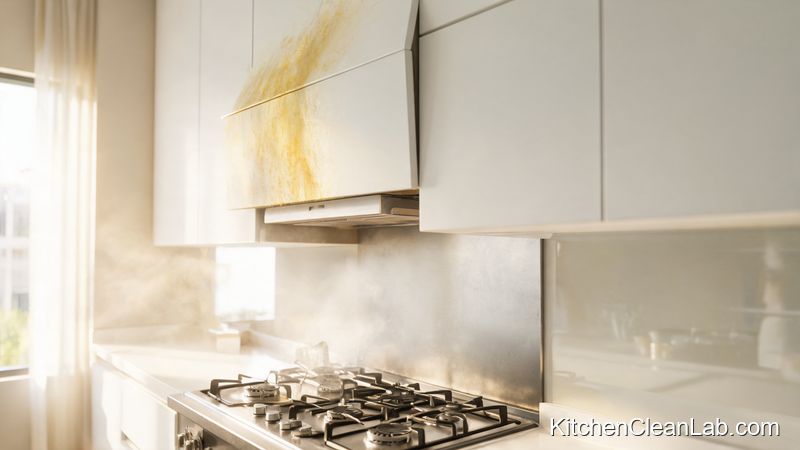
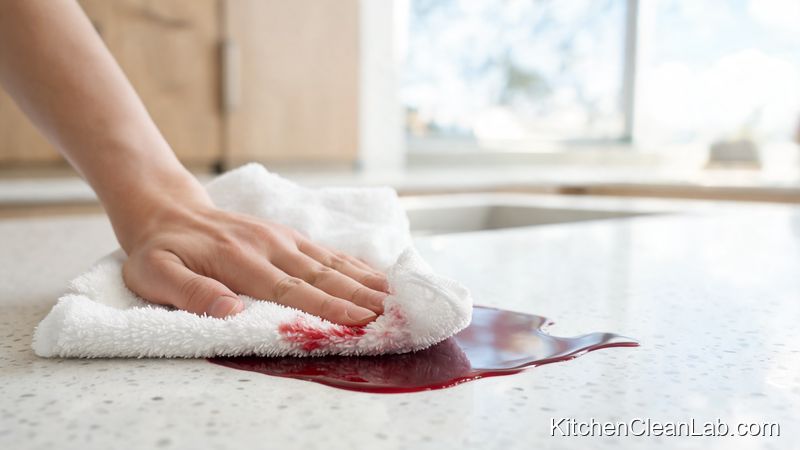
Kitchen grease does not stay only where it spatters. Hot cooking oil, pan-fried food, and even simmering sauces release tiny oil particles into the air. Those particles settle across the kitchen, forming a transparent film on cabinets, counters, and vinyl plank flooring. That film is sticky enough to hold dust, flour, pet hair, and fine grit. Every step then presses that grit against the wear layer, which is why a seemingly clean floor can begin to look hazy or feel slightly tacky over time.
Vinyl plank flooring is water-resistant and durable, but its surface depends on a clear protectant layer. This layer is tough against daily traffic, but it is not immune to oil buildup. The problem with grease is that it creates a chemical bond with some common cleaning residues. If you use wax, oil soap, or an overly aggressive solvent, you can make the film worse instead of lifting it. The safest approach is to break the grease with a pH-neutral, water-based cleaner and then physically remove it with a microfiber cloth or mop. That two-step action prevents the oil from curing into a hard, sticky deposit.
Daily and Weekly Cleaning Routine for a Greasy Kitchen
Quick answer: Sweep or vacuum with the brush roll off first, then damp-mop with a well-wrung microfiber mop and warm water containing a few drops of pH-neutral floor cleaner. In busy kitchens, wipe the cooktop zone daily and tackle the entire floor weekly.
A consistent routine prevents most grease damage before it becomes visible. The goal is not to scrub harder, but to stop oil from sitting on the planks for days. In a kitchen that sees daily frying, wok cooking, or sauteing, a quick nightly wipe around the range and sink makes the weekly mop much more effective.
Daily grease-control habits:
- Wipe the floor around the stove, sink, and dishwasher after heavy cooking. Use a dry microfiber cloth or a lightly dampened one.
- Sweep or use a hard-floor vacuum with the beater bar switched off. This removes gritty particles that would otherwise mix with cooking oil.
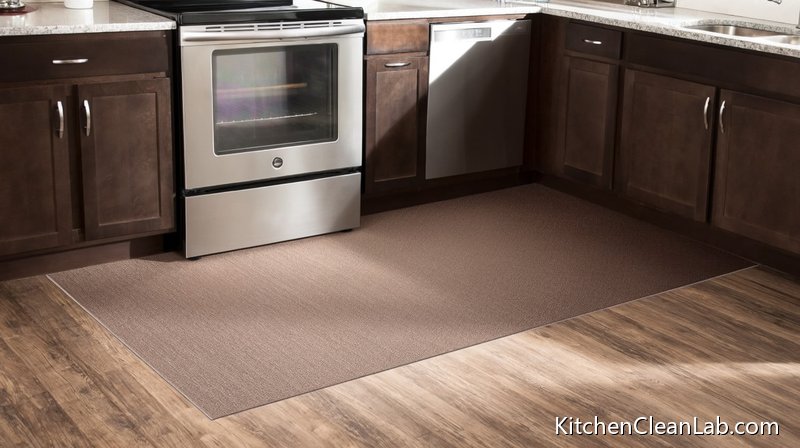
- Keep a washable, non-staining mat near the range. Move it occasionally to let the floor underneath stay dry.
- Use the exhaust fan or range hood while cooking to reduce airborne oil that settles on flooring.
- Wipe spills as soon as they happen, especially soy sauce, cooking oil, curry paste, or tomato-based sauces.
Weekly mopping routine:
- Dry-clean first with a soft broom, dust mop, or vacuum with the brush roll off.
- Mix warm water with a pH-neutral vinyl floor cleaner or 1-2 drops of mild dish soap per gallon.
- Dip a microfiber flat mop, wring it until barely damp, and mop along the plank direction.
- Rinse the mop head frequently in a separate bucket of clean hot water.
- Go over the stove-adjacent area twice if it feels slightly sticky underfoot.
- Dry the floor quickly with a clean microfiber cloth if any moisture remains longer than a minute or two.
Step-by-Step Guide to Degreasing Vinyl Plank Flooring Safely
Quick answer: Mix warm water with a pH-neutral vinyl cleaner or 1-2 drops of dish soap per gallon, mop with a well-wrung microfiber mop, work in sections, rinse with clean water, and dry. Avoid soaking the seams or using abrasive tools.
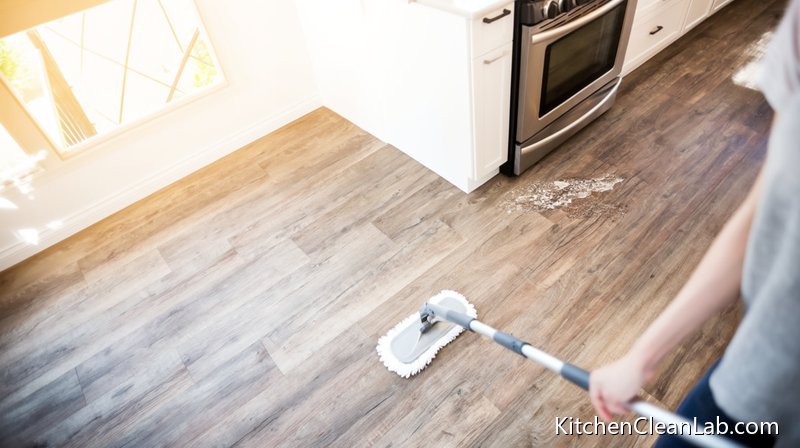
This method works for routine kitchen grease and for the slightly sticky film that builds up around high-use zones. Follow the steps in order so the degreasing agent has time to lift oil without forcing water into the click-lock joints.
- Clear the floor. Remove mats, pet bowls, small furniture, and move lightweight movable pieces. This prevents grease from being trapped under items.
- Vacuum or sweep thoroughly. Use a vacuum with the brush roll off or a soft-bristle broom. Pay extra attention to corners, toe kicks, and the gap between cabinets and the floor.
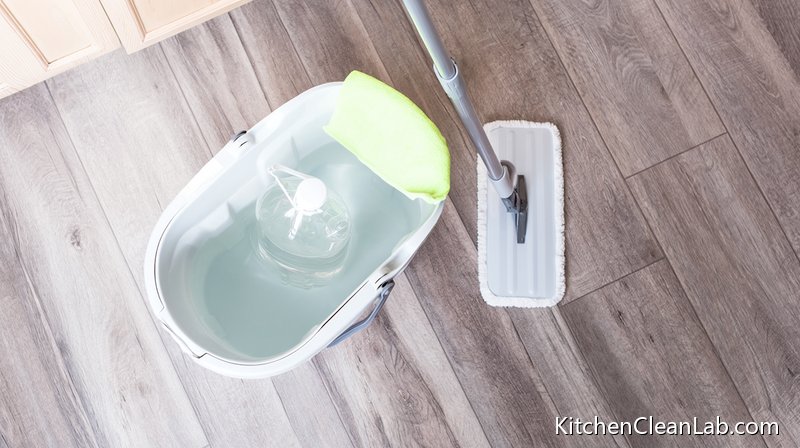
- Prepare a grease-cutting solution. Fill a bucket with 1 gallon of warm water. Add the manufacturer-recommended dose of pH-neutral vinyl cleaner, or use 1-2 drops of Dawn. Do not pour dish soap directly onto the floor.
- Soak a microfiber mop head and wring it almost dry. The mop should feel damp but should not drip when squeezed. Excess water can seep into seams and under planks.
- Mop in small sections. Work in 3-4 foot sections, moving with the plank direction. This lifts oil without redistributing it across clean areas.
- Rinse with clean warm water. If the floor feels slippery after the first pass, rinse the mop in a separate bucket of clean water and go over the section again. This removes the loosened grease.
- Dry the section. Wipe with a dry microfiber cloth or a dry mop pad. Vinyl plank flooring dries quickly, but fast drying prevents any water from sitting near seams.
- Check high-grease zones. Run your hand over the floor near the stove. If it still feels tacky, repeat the degreasing pass on that one section rather than flooding the whole floor.
Best Cleaners for Greasy Vinyl Plank Floors
Quick answer: The safest choices are pH-neutral vinyl floor cleaners, diluted mild dish soap, and occasional diluted white vinegar. Avoid steam, bleach, ammonia, abrasive powders, wax, oil soaps, and solvent-based degreasers.
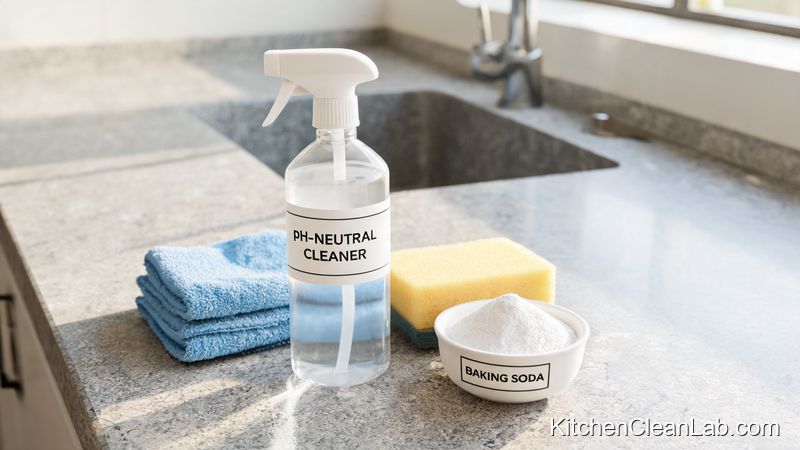
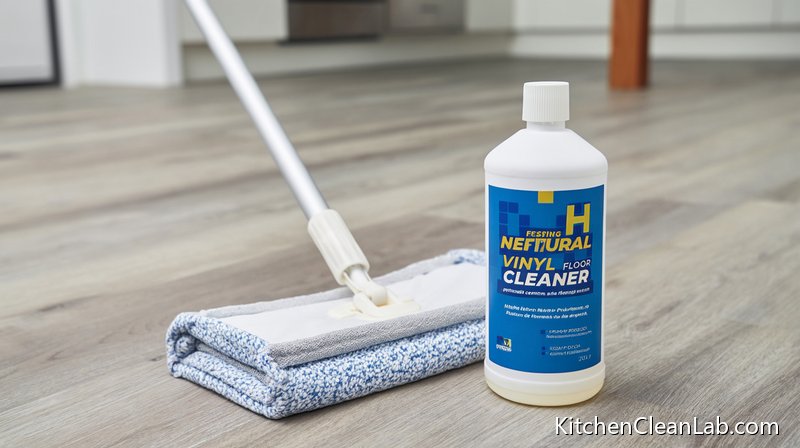
Vinyl plank flooring does not require specialty restoration products. A cleaner that says pH neutral and safe for vinyl or LVT is usually enough. For kitchen grease, the cleaning chemistry matters less than the method: lift the oil, rinse it away, and dry the floor.
| Cleaner or Tool | Safe for Kitchen Grease? | How to Use It |
|---|---|---|
| pH-neutral vinyl floor cleaner | Yes | Dilute according to label; mop with a well-wrung microfiber mop |
| Dawn or mild dish soap | Yes, in small amounts | Use 1-2 drops per gallon of warm water; rinse after mopping |
| Diluted white vinegar | Occasionally | Mix 1/4 cup per gallon of warm water; do not use daily |
| Baking soda paste | Spot use only | Mix with water, rub gently, then rinse thoroughly |
| Isopropyl alcohol | Caution | Use only in a 1:1 water dilution for sticky residue; test first |
| Steam mop | No | Heat and moisture can lift plank edges and warp the core |
| Abrasive scrubbers or scouring powder | No | Scratches the wear layer permanently |
| Bleach, ammonia, or acetone | No | Can discolor or degrade the vinyl surface |
| Wax, oil soap, or polish | No | Leaves a sticky film that traps more grease |
Common Mistakes That Ruin Vinyl Plank in Kitchens
Quick answer: The quickest ways to damage vinyl plank in a kitchen are steam mopping, wet mopping with standing water, using abrasive pads, and applying harsh solvents. These habits can warp planks, dull the wear layer, and void the warranty.
Most damage comes from daily habits rather than a single spill. In kitchen areas, the risk is higher because homeowners often reach for stronger degreasers or scrub harder when they see oil. That instinct is exactly what shortens the life of the floor.
- Steam mops. Heat plus forced moisture can soften the wear layer, push water into seams, and void the warranty. Vinyl plank should never be steam cleaned.
- Flooding the floor. A soaking wet mop can leave water sitting at the joints, especially in a floating floor. Wring the mop until barely damp.
- Scrubbing with abrasive pads. Steel wool, rough sponges, and scouring powders create fine scratches that trap grease and look permanently dull.
- Using undiluted vinegar or harsh solvents. Acetic acid and solvents can break down the surface over repeated use.
- Applying wax or shine restorer. Vinyl plank already has a factory finish. Extra wax creates a cloudy, slick layer that grabs grease.
- Dragging appliances or furniture. Sliding a refrigerator or bar stool can gouge the wear layer. Lift heavy items, or place felt pads under legs and slide only with care.
- Leaving oil spills overnight. Cooking oil can oxidize and become tacky. Wipe it while it is still liquid.
- Using rubber-backed mats without checking compatibility. Some rubber backings can discolor vinyl. Choose mats labeled non-staining for vinyl floors.
How to Remove Stubborn Grease, Oil Splatter, and Sticky Residue
Quick answer: Apply warm water with a drop of mild dish soap to the spot, let it sit for 1-2 minutes, gently wipe with a microfiber cloth, rinse, and dry. For tougher spots, use a soft baking soda paste and test first.
Not every grease spot needs a specialty remover. Start with the gentlest method, then work upward only if needed. Always test stronger products in a small hidden area, such as inside a closet or under the refrigerator footprint.
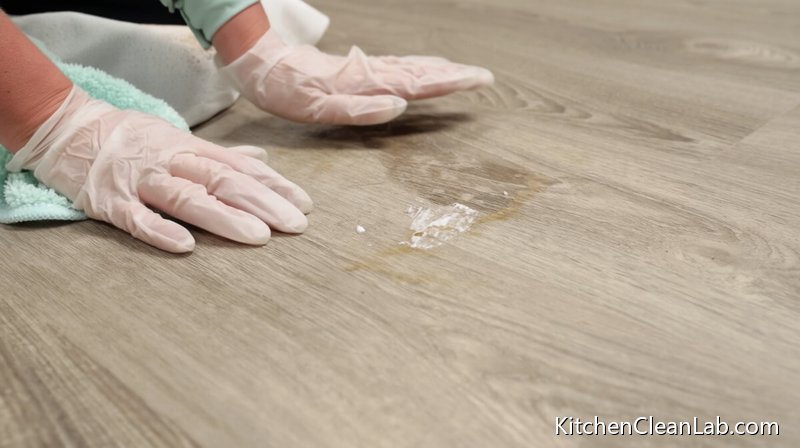
Fresh grease or oil splatter: Blot the area with a dry microfiber cloth first. Then wipe with a cloth dampened in warm water and 1 drop of dish soap. Rinse with a clean damp cloth and dry fully.
Dried grease film: Mix 1 gallon of warm water with 1-2 drops of Dawn. Soak a microfiber cloth, wring it out, and lay it over the spot for 2 minutes. This dwell time softens the oil. Wipe gently, then rinse.
Sticky residue from tape, honey, or thickened oil: Use a diluted isopropyl alcohol mixture of 1 part alcohol to 1 part water on a soft cloth. Wipe only the affected area, then rinse with water. Do not use full-strength alcohol as a regular cleaner.
Baking soda paste for stubborn spots: Mix 2 tablespoons of baking soda with just enough water to form a soft paste. Apply it to the spot, rub gently with a microfiber cloth in a circular motion, then wipe away all residue with a clean damp cloth. Finish by drying the area.
Warning: Work in a ventilated kitchen when using any cleaning product. If your skin is sensitive, wear household gloves, and never mix vinegar with bleach or ammonia-based cleaners.
Preventing Grease Build-Up in Kitchen Zones
Quick answer: Use a range hood, keep splatter screens over frying pans, place washable non-staining mats near the stove and sink, and wipe the floor daily in high-grease zones. Prevention is easier than repeated degreasing.
The best way to clean a greasy kitchen floor is to reduce how much oil reaches it. A few low-cost habits make weekly cleaning faster and protect the wear layer from unnecessary scrubbing.
- Run the exhaust fan. It pulls airborne oil droplets out of the room before they settle on the floor.
- Use a splatter screen. Cover pans when frying or searing food. This keeps grease from spraying around the cooktop.
- Place washable mats in hot zones. Put low-profile, non-staining mats in front of the stove, sink, and food-prep area. Shake them out often and let the floor underneath dry.
- Adopt a no-shoes policy. Shoes carry sand and grit that mix with kitchen grease and become an abrasive paste.
- Keep a dry microfiber cloth near the range. A quick wipe after cooking prevents oil from curing into a residue.
- Move floor mats weekly. Moisture trapped under mats can affect the floor and cause staining with some rubber backings.
Frequently Asked Questions About Cleaning Vinyl Plank Flooring in Greasy Kitchens
Quick answer: Most kitchen grease can be cleaned safely with diluted dish soap and a microfiber mop. The main rules are no steam, no abrasive pads, no wax, and no standing water.
Can I use Dawn dish soap on vinyl plank flooring?
Yes, but only in a very diluted form. Use 1-2 drops of Dawn per gallon of warm water. Dawn is excellent at cutting kitchen grease, but using too much can leave a soap haze on the floor. Rinse the floor with a clean, barely damp mop after degreasing, then dry the surface with a microfiber cloth.
Is vinegar safe for cleaning greasy vinyl plank floors?
Diluted white vinegar can be used as an occasional degreaser. Mix no more than 1/4 cup of white vinegar per gallon of warm water. Do not use vinegar every time you mop, because its acidity can gradually dull the wear layer. Always rinse and dry after using a vinegar solution.
Will a steam mop remove kitchen grease from vinyl plank flooring?
No. Even though steam feels like a heavy-duty cleaner, it is one of the worst tools for vinyl plank. Steam forces heat and moisture into the seams and can lift plank edges, warp the core, and void the manufacturer warranty. A damp microfiber mop with a pH-neutral degreaser removes grease safely.
How do I get dried grease off vinyl plank flooring without scratching it?
Soften the dried grease first. Apply a small amount of warm water with 1 drop of Dawn to the spot and let it sit for 2 minutes. Then wipe gently with a microfiber cloth. If the spot remains, use a soft baking soda paste and rub only lightly. Rinse and dry the section completely.
Bottom Line: A Grease-Free Vinyl Plank Kitchen Floor Takes Routine, Not Harsh Chemicals
Quick answer: Combine daily wiping, weekly damp-mopping with a pH-neutral cleaner, and grease prevention habits. Avoid steam mops, abrasive tools, and solvent-based chemicals, and your vinyl plank floor will keep its finish much longer.
Greasy kitchen areas are manageable on vinyl plank flooring once you understand the material. The floor is not damaged by oil itself, but by the combination of oil, grit, moisture, and the wrong cleaning tool. A simple routine of sweeping, using a well-wrung microfiber mop, and wiping splatters as they happen will prevent most sticky buildup. The best cleaner is usually the mildest one: warm water, a pH-neutral floor cleaner, or a drop of dish soap. Skip the steam mop and the scrub pad, and let the microfiber do the work.