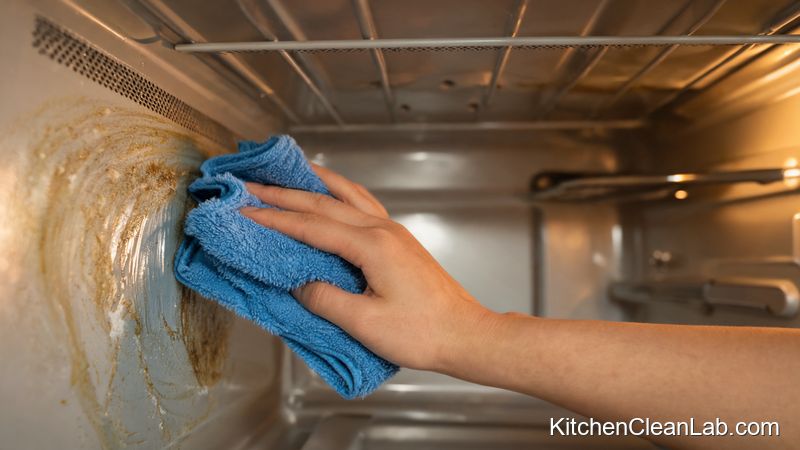
Why Stainless Steel Oven Racks Get So Dirty
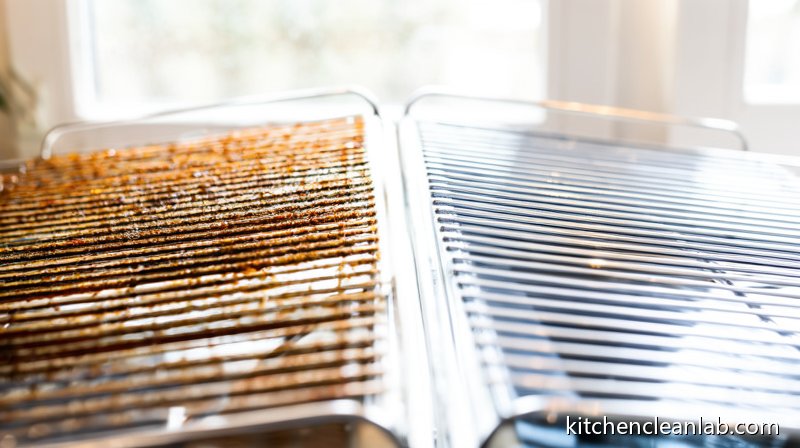
Stainless steel oven racks collect baked-on grease, polymerized oil, and carbonized food debris because they sit directly in the hottest zone of the oven. That residue does not wipe away with ordinary dish soap. The most reliable approach breaks the grease bond with an alkaline soak, a mild acid, or a targeted acid-based cleaner before you scrub.
Unlike flat oven walls, racks have dozens of wire intersections and tight corners. When fat spatters and smoke circulate, the heat triggers polymerization, the same chemical process that seasons cast iron. The result is a hard, amber-to-black film that bonds tightly to the metal. Regular dish soap is too weak to dissolve that layer quickly, but it can handle fresh grease if you clean racks every one to three months.
Before choosing a method, identify the rack material. True stainless steel has a brushed silver finish and is generally nonmagnetic or only slightly magnetic. If your racks are darker, chrome-plated, or porcelain-coated, skip abrasive acid pastes and stick to soaking methods to avoid chipping.
Before You Start: Safety, Tools, and Workspace Setup
Always clean oven racks in a ventilated space, wear nitrile or rubber gloves, and protect your bathtub or sink with old towels. Large racks rarely fit in standard sinks, so a bathtub, utility sink, or deep plastic tote is the most practical workspace.
You will need:
- Old bath towels or a non-slip plastic liner
- Nitrile or rubber gloves
- Non-scratch scrubby sponge or nylon-bristle brush
- Warm water and a basin large enough to submerge the racks
- Plastic sheeting or heavy-duty trash bags if working indoors
- Microfiber cloths for drying
Avoid steel wool, metal scrapers, and chlorine bleach. These can scratch stainless steel, leave rust-prone micro-abrasions, or damage surrounding finishes. If using a commercial degreaser or Bar Keepers Friend, open a window or turn on the exhaust fan to reduce fume exposure.
Method 1: The Heavy-Duty Dishwasher Detergent Soak
Dissolve 1/2 cup of powdered automatic dishwasher detergent in enough hot water to cover the racks, then soak for 8 to 12 hours. Dishwasher detergent contains enzymes, oxygen bleach, and water softeners that attack polymerized grease without heavy scrubbing. This method is best for low-effort overnight cleaning.
The Kitchn's comparative testing found an overnight dishwasher detergent soak left racks visibly cleaner, though stubborn spots still needed a scrubby sponge. For racks with moderate buildup, it is a practical no-scrub start. It also uses products most people already keep in the kitchen.
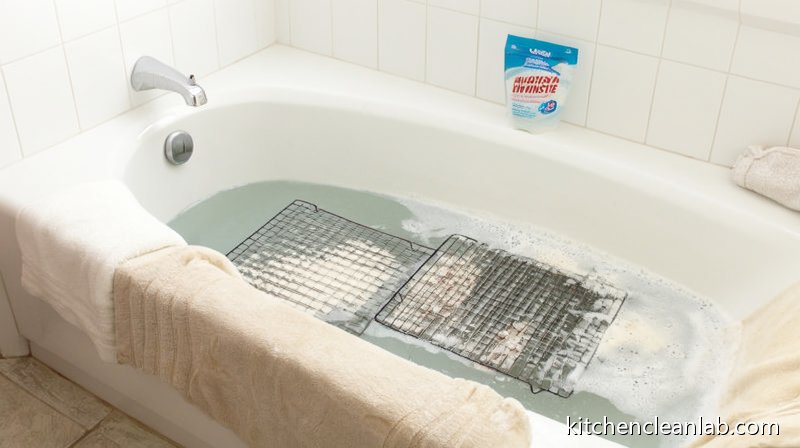
- Line a bathtub or deep plastic tote with old towels. Place the oven racks on top.
- Fill with enough hot water to cover the racks by at least 1 inch. Do not use boiling water, which can warp thin oven rack frames.
- Add 1/2 cup of powdered dishwasher detergent and swirl until dissolved. Liquid detergent also works, but powder tends to be stronger on grease.
- Soak for 8 to 12 hours, preferably overnight. If the water cools, the detergent still works, but warm water speeds up the process.
- Drain the basin, then scrub problem areas with a non-scratch sponge or nylon brush.
- Rinse thoroughly with warm soapy water and dry with a microfiber cloth before placing back in the oven.
Safety note: Dishwasher detergent is alkaline and can irritate skin. Wear gloves and make sure children and pets stay out of the area while the racks soak.
Method 2: The Non-Toxic Baking Soda and Vinegar Method
Coat damp oven racks with baking soda, spray with distilled white vinegar until it foams, then soak in hot water for at least 4 to 6 hours. This method avoids harsh chemicals and uses mild abrasion plus the fizzing reaction to loosen baked-on food and light grease.
Cleaning pros often recommend baking soda and vinegar because both are inexpensive and easy to find. Keep in mind that the mixture is not a heavy-duty degreaser, so this method is best for racks that have not been neglected for months or that have light to moderate residue. If your racks have thick black carbon, use Method 1 first, then spot-clean with baking soda paste.
- Place an old towel in your bathtub, sink, or large plastic bin to prevent scratching.
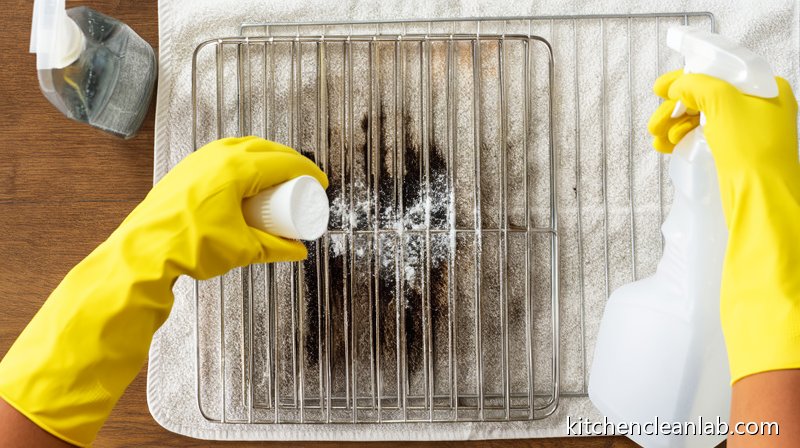
- Lay the racks flat and sprinkle them liberally with about 1 cup of baking soda per rack, covering grease-heavy areas.
- Fill a spray bottle with distilled white vinegar and spray the baking soda until it starts to fizz. The bubbling action helps lift surface grime, but you still need the soak for polymerized film.
- Fill the basin with hot water until the racks are covered. Soak for 4 to 6 hours, or overnight for best results.
- Drain the water and scrub remaining spots with a damp sponge or soft nylon brush. Rinse with clean water.
- Dry completely with a microfiber cloth to reduce water spots.
Do not mix vinegar with chlorine bleach or commercial oven cleaner. The resulting fumes can be dangerous. This method is safe for stainless steel but may require extra scrubbing on black carbon deposits.
Method 3: The Fast-Acting Bar Keepers Friend Paste
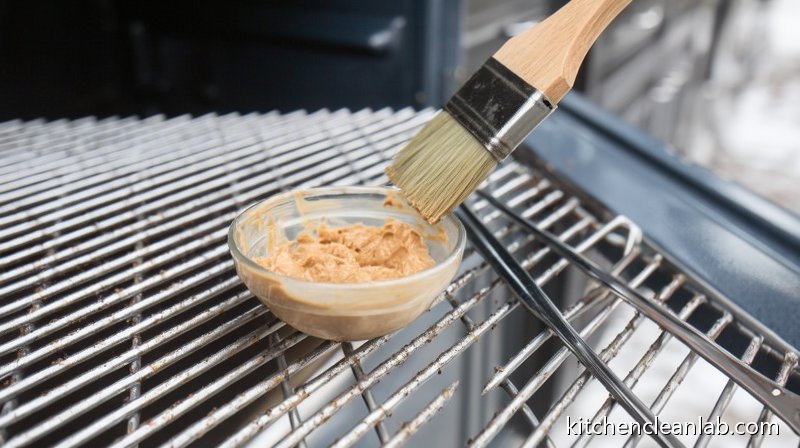
Mix Bar Keepers Friend powder with water to a peanut butter consistency, brush it onto both sides of the rack, wait 45 minutes, and scrub with a damp non-scratch sponge. This acid-based method is the fastest way to remove stubborn blackened grease without soaking overnight.
In controlled testing by The Kitchn, a Bar Keepers Friend paste required about 5 minutes of active scrubbing and delivered the best balance of speed and effectiveness. The active ingredient, oxalic acid, dissolves mineral deposits and breaks the grip of polymerized oil on stainless steel. It is messier than a soak, so work outside or on a protected surface.
- In a disposable bowl, combine 1/2 cup of Bar Keepers Friend powder with about 3 tablespoons of water. Add water slowly until the paste has the consistency of peanut butter.
- Using a basting brush or old paintbrush, paint the paste onto the front and back of each rack, focusing on joints and blackened spots.
- Let the paste sit for 45 minutes. Do not allow it to dry into a crust; if it starts to dry, lightly mist with water.
- Wearing gloves, scrub each wire with a damp scrubby sponge. Use a nylon-bristle brush for corners and welded joints.
- Rinse with warm, soapy water until all residue is gone. Dry thoroughly.
Bar Keepers Friend is safe for stainless steel but too abrasive for coated or chrome racks. Test it on a small section first. The paste will drip, so place a towel underneath. If you prefer an aerosol product, a heavy-duty oven cleaner in a sealed trash bag can work similarly, but it produces stronger fumes and requires extra caution.
Quick Comparison: Which Oven Rack Cleaning Method Should You Choose?
For overnight low-effort cleaning, choose the dishwasher detergent soak. For a natural routine, choose baking soda and vinegar. For fast results under an hour, choose Bar Keepers Friend paste. The right method depends on grime level, time, and chemical sensitivity.
| Method | Best For | Time | Active Effort | Fume Level | Cost |
|---|---|---|---|---|---|
| Dishwasher Detergent Soak | Moderate to heavy grime, overnight | 8 to 12 hours | Low | Low | $ |
| Baking Soda and Vinegar | Light to moderate grime, natural | 4 to 6 hours | Medium | None | $ |
| Bar Keepers Friend Paste | Heavy carbon, fast results | 45 to 60 minutes | Medium | Low to moderate | $ |
If your racks are heavily coated with black, glass-like carbon, the fastest path is often a two-step process: an overnight soak to soften the layer, followed by a Bar Keepers Friend spot treatment.
Common Mistakes That Ruin Stainless Steel Oven Racks
Avoid running oven racks through the self-cleaning cycle, using steel wool, or soaking them in undiluted bleach. These shortcuts can cause discoloration, micro-scratches, warping, or a dull finish that traps more grease later.
- Skipping the protective towel: Oven rack edges can scratch porcelain tubs and sinks. Always line the surface.
- Using boiling water: Extreme heat can warp thinner oven rack frames. Use hot tap water, not boiling.
- Scrubbing with steel wool or wire brushes: These leave deep scratches where grease and rust can collect. Use non-scratch scrubby sponges or nylon brushes.
- Mixing cleaning chemicals: Never combine ammonia, bleach, or vinegar-based products with commercial oven cleaner. Toxic fumes can form.
- Leaving acid paste on too long: Bar Keepers Friend should not be left to dry on stainless steel for hours. Rinse within the recommended time.
- Not drying racks after cleaning: Water left in crevices can cause hard water spots and encourage surface rust on lower-grade stainless steel.
How to Keep Stainless Steel Oven Racks Clean Longer
Catch drips with a foil-lined baking sheet on the lower rack, and wipe racks with warm soapy water after roasting or broiling while grease is still fresh. A quick monthly wipe prevents the polymerized film that requires aggressive cleaning.
- Place a baking sheet or oven-safe tray on the lower rack when roasting fatty meat or casseroles. Do not line the oven floor with foil.
- After the oven cools, remove the racks and wash them with hot water and a degreasing dish soap such as Dawn. Rinse and dry.
- Avoid oven cleaner overspray on racks unless you plan to rinse them completely. Residual cleaner can create fumes when the oven heats.
- If your oven manual allows, use the self-clean cycle sparingly and remove the racks first. High heat can discolor stainless steel and warp thin metal.
- Keep racks dry and grease-free after cleaning; do not season them with oil, which will polymerize and attract more debris.
Frequently Asked Questions About Cleaning Stainless Steel Oven Racks
Most stainless steel oven racks can be cleaned in a dishwasher or large basin, but the safest method for all finishes is a warm soak followed by non-scratch scrubbing. Below are common questions with direct answers.
Can you put stainless steel oven racks in the dishwasher?
Yes, some stainless steel racks can go in the dishwasher, but the heat and detergents may eventually dull the finish or leave water spots. Check the oven manual first. Large racks often block the spray arms, so hand soaking may be more effective.
Does baking soda and vinegar really clean oven racks?
Baking soda and vinegar help loosen light to moderate grime through fizzing and mild abrasion, but the combination is not a strong degreaser. For heavy black carbon, use a dishwasher detergent soak or Bar Keepers Friend paste instead.
How do you remove baked-on black carbon from oven racks?
Apply a Bar Keepers Friend paste to the blackened areas, wait 45 minutes, then scrub with a non-scratch sponge. For severe buildup, soak the racks in hot water with dishwasher detergent overnight first.
Is Bar Keepers Friend safe on stainless steel oven racks?
Yes, Bar Keepers Friend is safe for solid stainless steel when rinsed thoroughly. Avoid it on chrome-coated or porcelain racks, because the abrasive acid can scratch or etch those finishes.
Final Verdict: A Realistic Monthly Cleaning Routine
Wipe racks with warm soapy water every month and deep-clean with a Bar Keepers Friend paste every three months. If you notice heavy buildup, start with an overnight dishwasher detergent soak to reduce scrubbing, then use the paste only on remaining spots.
No single method works perfectly for every rack. The best approach is to choose the method that matches your time, grime level, and tolerance for chemicals. Protecting your tub or sink, wearing gloves, and drying the racks completely will keep stainless steel racks looking cleaner longer.