Grease, fingerprints, food residue, and hidden buildup don't just make your kitchen look dull — they can also hurt performance and even shorten the life of your appliances. This guide walks you through how to clean kitchen appliances the right way, from stainless steel exteriors to the interiors most people forget, using safe, effective, and inexpensive methods.
How to Clean Kitchen Appliances: A Complete Expert Guide
Unplug or disconnect every appliance before cleaning, let hot surfaces cool completely, and always check the manufacturer's care guide first. That single habit prevents most damage, from short circuits to cracked glass shelves. The table below gives you a quick, appliance-by-appliance reference so you can jump straight to what you need.
| Appliance | Best Cleaning Method | How Often | Never Use |
|---|---|---|---|
| Stainless steel exteriors | Microfiber cloth + warm water, wiping with the grain | Weekly | Steel wool, bleach, chloride cleaners |
| Refrigerator | Warm water + baking soda, wash shelves separately | Every few months | Abrasive pads on glass |
| Dishwasher | Rinse filter, clear spray arms, vinegar clean cycle | Monthly | Regular dish soap in the tub |
| Oven | Baking soda paste, sit, then wipe | Quarterly or as needed | Harsh oven cleaner on self-clean models |
| Glass cooktop | Cooktop cleaner + microfiber once cool | After each use | Steel wool, abrasive scrubbers |
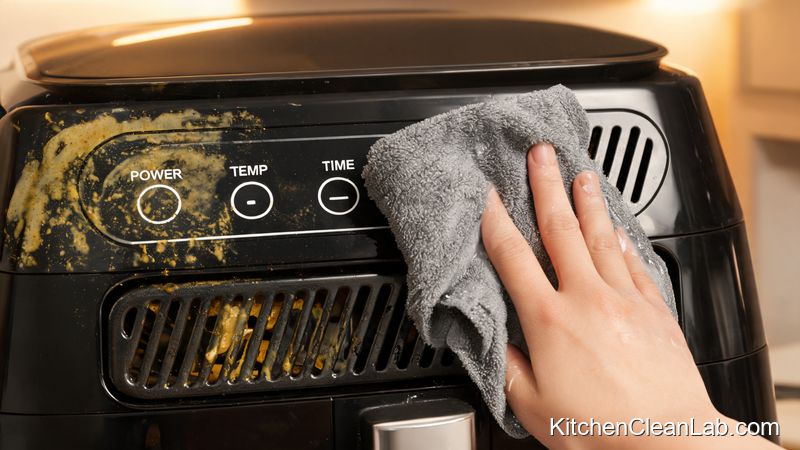
| Small appliances | Warm soapy water, remove washable parts | After each use | Submerging motorized bases in water |
Start With Stainless Steel Exteriors (Without Streaks or Scratches)
Stainless steel looks premium — until it's covered in fingerprints and streaks. The single biggest secret to a streak-free finish is this: wipe in the direction of the metal's grain, the fine brushed lines running across the surface. Look closely and you'll see they run either horizontally or vertically; follow that direction every time you wipe or polish.
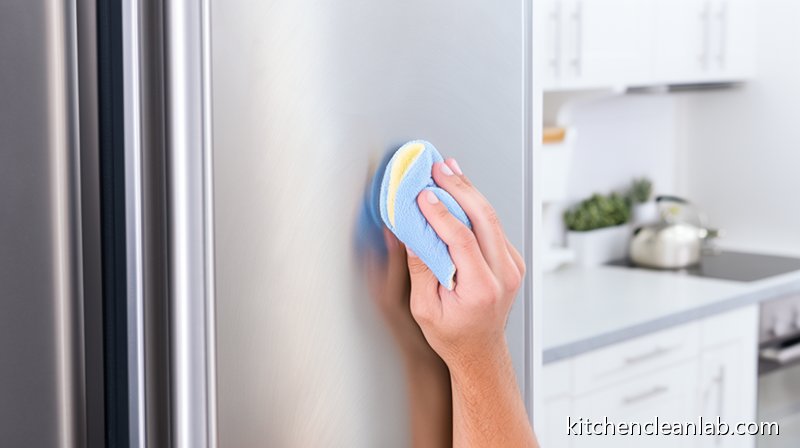
For routine cleaning, a damp microfiber cloth with warm water and a drop of mild dish soap handles most fingerprints and light grease. Buff dry with a second cloth to avoid water spots. For a deeper shine, add a few drops of mineral oil or a dedicated stainless steel polish and buff in the same grain direction.
What Never to Put on Stainless Steel
- Steel wool, steel brushes, or abrasive pads — they scratch the protective finish and expose the metal to rust.
- Anything containing bleach or chloride — these chemicals can corrode and pit stainless steel.
- Jewelry polish or aggressive chemical cleaners — they're too harsh for coated appliance surfaces.
- Water applied while the surface is hot — always let the appliance cool first to avoid warping and streaking.
For stubborn spots, match the cleaner to the stain. Diluted white vinegar gently removes limescale and hard-water spots; baking soda lifts coffee and tea deposits; and a small amount of mild acetone (similar to nail polish remover) dissolves sticky adhesive residue. Test any product in an inconspicuous spot first.
How to Clean a Refrigerator the Right Way
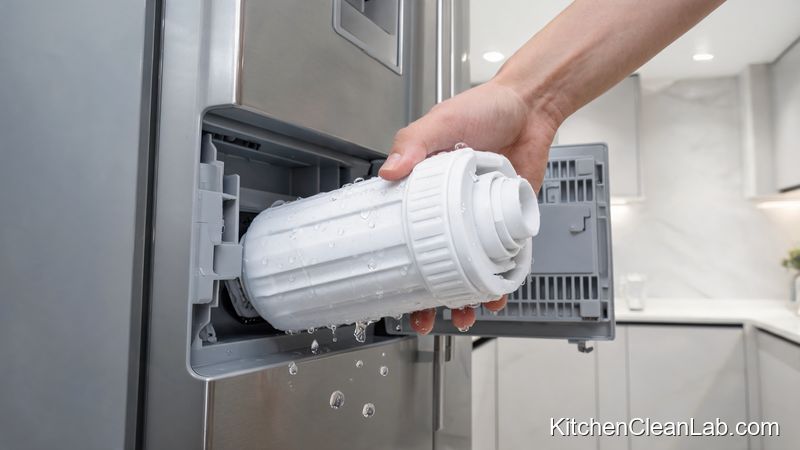
The refrigerator runs 24/7 and touches everything you eat, so it earns a thorough cleaning every few months. The key step most people skip is airflow: an overcrowded fridge can't circulate cold air properly, which cooks your food unevenly and wastes energy.

- Unplug or empty the fridge, removing all food, shelves, drawers, and bins. Toss anything expired.
- Let glass shelves reach room temperature before washing — a cold glass shelf hitting hot water can crack.
- Wash removable parts in warm water and mild dish soap, then dry them completely before reinstalling.
- Wipe interior walls and door bins with a non-abrasive solution. A mix of one tablespoon of baking soda per quart of warm water cleans gently and neutralizes odors.
- Pay attention to the door seals and gaskets — wipe them clean and dry so they stay airtight.
- Don't overload when you reload. Leave space between items so air can move freely.
How to Clean a Dishwasher (Yes, It Needs Cleaning Too)
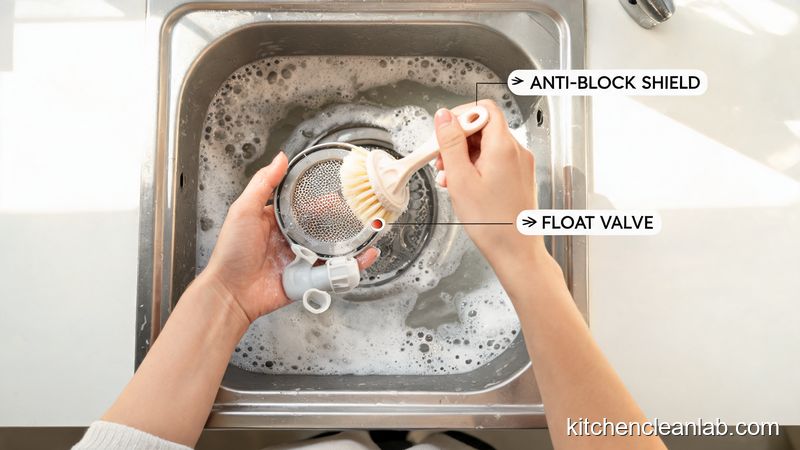
It's easy to assume a dishwasher cleans itself. It doesn't. Over time, food particles, grease, detergent residue, and mineral deposits build up — and that's when you start getting cloudy glasses and a funky smell. The two things that matter most are the filter and the spray arms.
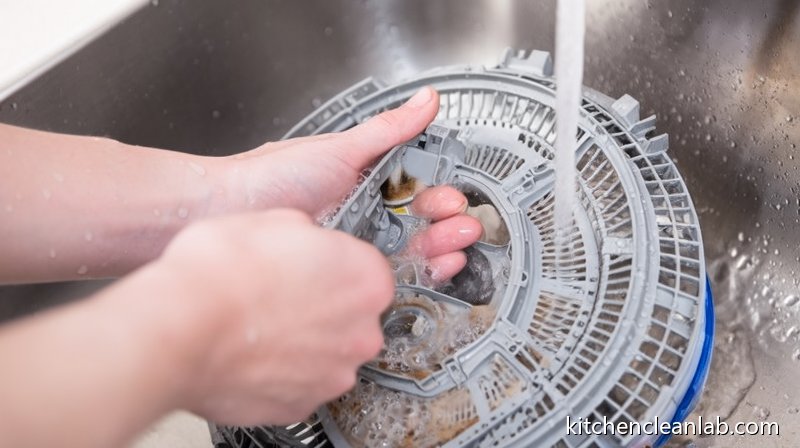
- Remove and rinse the filter. Most modern dishwashers have a removable filter at the bottom; twist it out and rinse it under hot water, using a soft brush for stuck-on grime.
- Clear the spray arm holes. If food or mineral deposits clog the tiny openings, dishes won't get clean. Poke them clear with a toothpick and rinse.
- Run an empty cleaning cycle. Place a dishwasher-safe bowl of distilled white vinegar on the top rack, or use a dedicated dishwasher cleaner, and run a hot cycle.
- Wipe the door seals and edges where moisture and residue collect — this is the biggest source of hidden odors.
How to Clean an Oven Without Harsh Chemicals
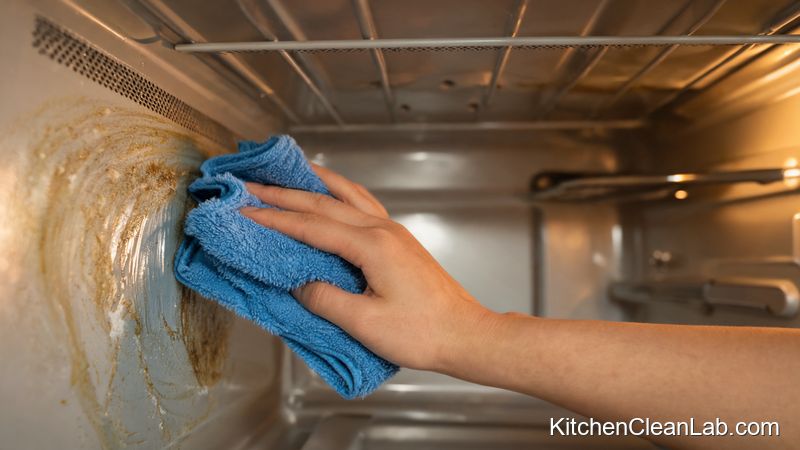
The oven is where baked-on grease lives, and it's the appliance people dread cleaning most. The good news: a paste of baking soda and water does the heavy lifting without the fumes and harsh chemicals of commercial oven cleaners.
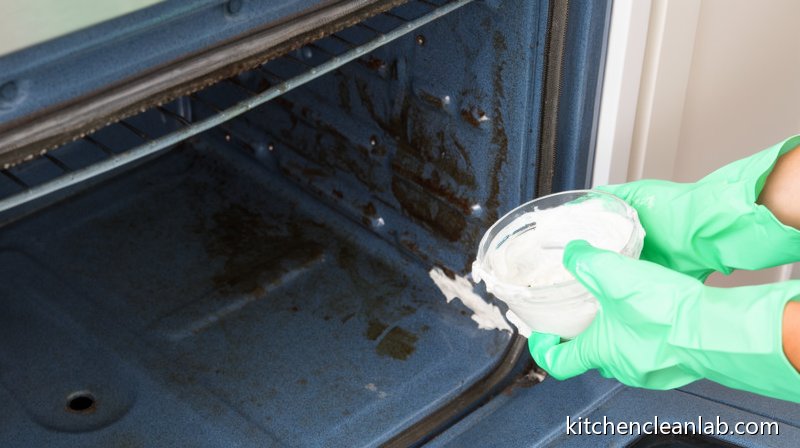
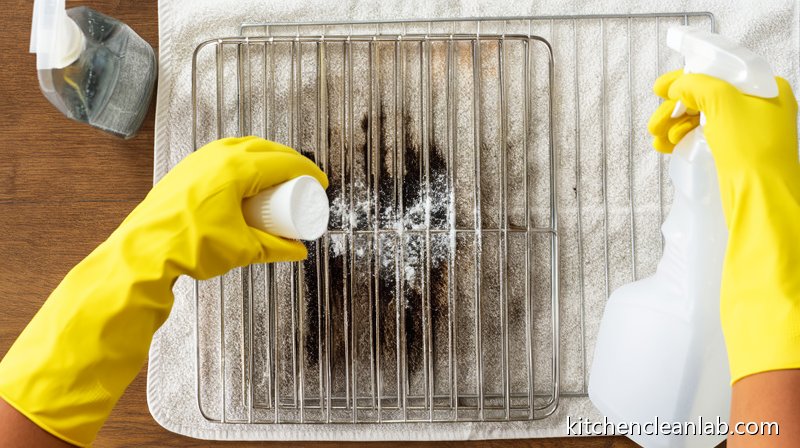
- Remove the racks and soak them in warm, soapy water (or a bathtub for extra space).
- Mix baking soda with a little water to form a spreadable paste, and coat the interior — avoiding the heating elements.
- Let it sit for several hours or overnight, then wipe clean with a damp cloth.
- Spot-clean stubborn areas with a little more paste and a plastic scraper, never metal.
A Note on Self-Cleaning Ovens
If your oven has a self-clean cycle, it works by heating the interior to a very high temperature to reduce residue to ash. Before running it, read your owner's manual, remove the racks as instructed, wipe away excess grease, and ventilate the kitchen. Never use a commercial oven cleaner on a self-cleaning oven's finish — it can damage the special coating.
How to Clean a Glass Cooktop and Small Appliances
Glass cooktops look best when cleaned after every use, while the surface is merely warm (not hot). A cooktop-specific cleaner and a microfiber cloth are your best tools; avoid anything abrasive that can leave permanent scratches. Stubborn, cooked-on residue often responds to a gentle scraping with a razor-blade scraper held at a shallow angle, followed by a polish with cooktop cleaner.
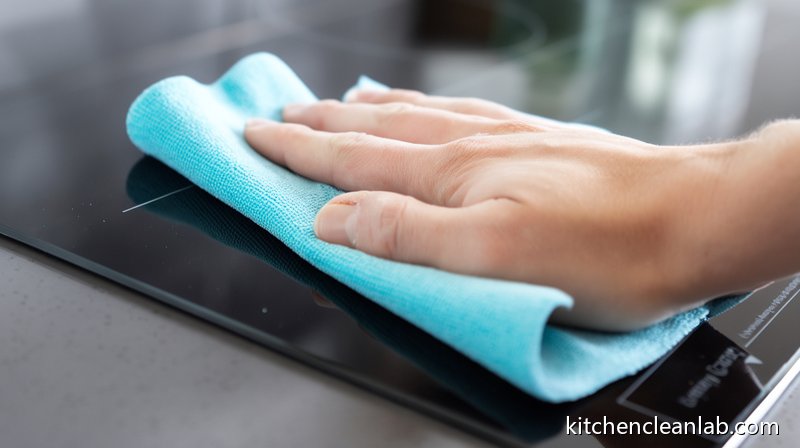
Small appliances — blenders, coffeemakers, toasters, can openers, and waffle irons — follow one golden rule: never submerge a motorized base in water. Instead:
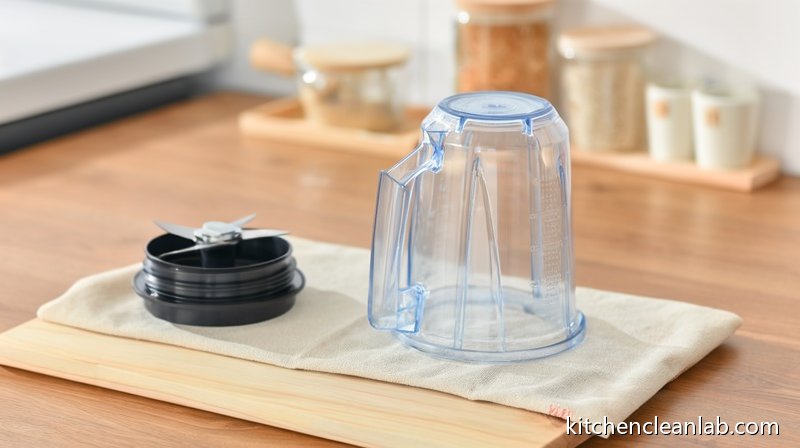
- Blenders: fill the jar with warm, soapy water and run it on high for 15 seconds, then rinse. Hand-wash the blade assembly to keep it sharp.
- Coffeemakers: wash the pot, lid, and filter basket after each use; descale the machine monthly with vinegar or a descaling solution.
- Toasters: unplug, let cool, then empty and wash the crumb tray. Shake crumbs out over the sink, and never insert metal utensils inside.
- Can openers: unplug first, wipe after each use, and periodically remove the cutting wheel to soak and scrub caked-on food with a toothbrush.
- Waffle irons: let cool completely, then wipe grids with a paper towel dampened with vegetable oil to keep the nonstick surface seasoned.
Don't Forget Behind and Beneath Appliances
The most neglected part of kitchen appliance care isn't inside the machine — it's the dust, pet hair, and grease that collect behind and underneath major appliances. This buildup can restrict airflow and even attract pests. A few times a year, disconnect power when appropriate, carefully move the appliance, vacuum accumulated debris, and wipe down the surrounding floor and wall. Use caution when moving heavy units, and follow the manufacturer's guidance.
How Often Should You Clean Kitchen Appliances?
- Daily: wipe down cooktops and appliance exteriors after use.
- Weekly: clean frequently touched surfaces and do a light wipe of stainless steel finishes.
- Monthly: check the dishwasher filter and clean the microwave interior.
- Quarterly: deep clean the refrigerator and oven.
- Twice a year: clean behind and beneath major appliances.
FAQ: Cleaning Kitchen Appliances
What is the best way to clean stainless steel appliances?
Use a microfiber cloth with warm water and a little mild dish soap, always wiping in the direction of the metal's grain, then buff dry. For a deeper shine, follow with a small amount of mineral oil or stainless steel polish. Avoid steel wool, bleach, and chloride-based cleaners, which can scratch and corrode the finish.
Does cleaning appliances actually help them last longer?
Yes. Cleaning away grease, food residue, and dust helps appliances run more efficiently — better airflow in a fridge, unobstructed spray arms in a dishwasher, and clear heating in an oven. Regular maintenance can reduce unnecessary wear and helps you spot small problems before they turn into expensive repairs.
How do I remove grease buildup from kitchen appliances?
For light grease, warm water and a good degreasing dish soap usually suffice. For baked-on grease in the oven, use a paste of baking soda and water and let it sit. For stainless steel, follow the grain and use a dedicated stainless steel cleaner on tough spots.
What should I never use on stainless steel?
Avoid steel wool, steel brushes, abrasive scrub pads, bleach, chloride-based cleaners, and jewelry polish. All of these can scratch through the protective finish and leave the steel vulnerable to rust and corrosion.
Keep Your Appliances Clean and They'll Return the Favor
Cleaning your kitchen appliances doesn't have to be a chore you dread. Work with the grain on stainless steel, let hot surfaces cool, unplug before you reach, and match the right cleaner to each surface. A few minutes of routine care keeps your kitchen looking sharp, your food safer, and your appliances running like new for years. When in doubt, always defer to the manufacturer's official care guide for your specific model.