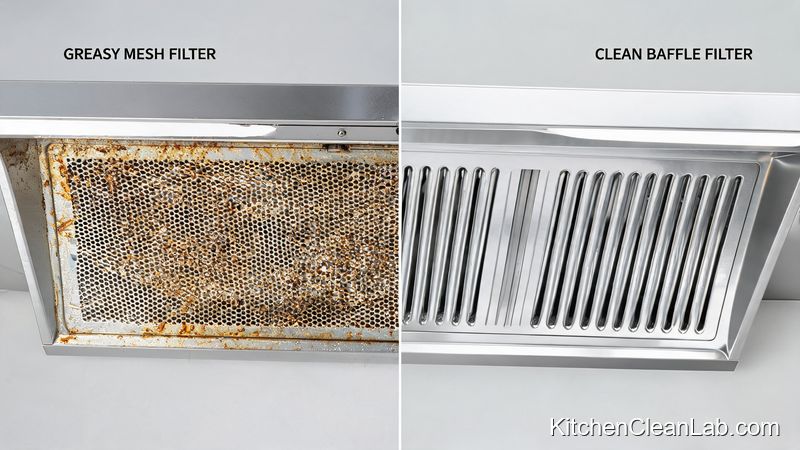
Why Steam Cleaning Works Better Than Scrubbing
Steam cleaning a microwave uses trapped water vapor to soften baked-on food, grease, and odor-causing residue in about five minutes. Unlike abrasive scouring, it requires minimal elbow grease and no chlorine-based sprays. The hot condensation loosens splatter so a microfiber cloth can lift it away quickly.
When water boils inside the closed cavity, it changes into vapor that fills the small space. That vapor condenses on cooler interior surfaces, including the walls, ceiling, door, and turntable, coating them with moisture and heat. The sudden combination rehydrates dried splatter and melts sticky grease. Food particles that would normally require aggressive scraping soften enough to wipe away. This is why steam cleaning is the most effective first step before any scrubbing, and often the only step you need.
The acid in lemon or vinegar adds a second mechanism: it helps break the bond between grease and the microwave's enamel or stainless-steel interior. Lemon also deodorizes naturally, leaving a fresh citrus note instead of a chemical smell. Vinegar is stronger for mineral film and heavier grease. Both are safer than oven cleaners that can leave fumes in a food-heating appliance.
Tools and Safety Precautions
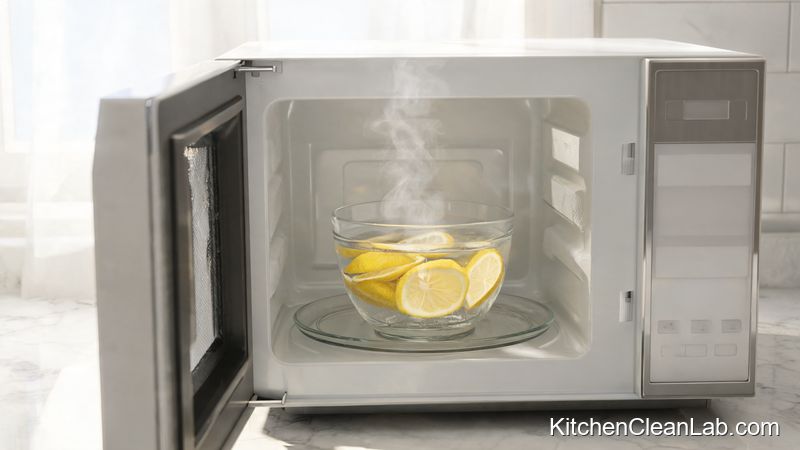
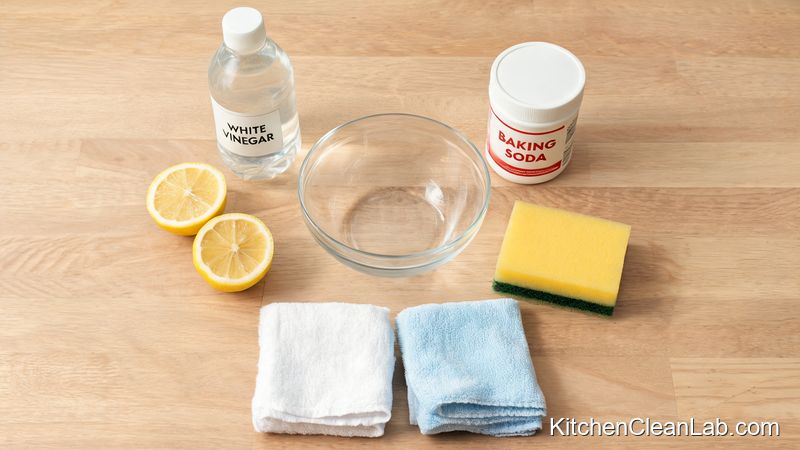
Gather a microwave-safe glass bowl or 2-cup measuring cup, distilled white vinegar or fresh lemon, a microfiber cloth or non-scratch sponge, dishwashing liquid, and a dry towel. Always allow the steam to settle for two to five minutes before opening the door to prevent steam burns.
- Microwave-safe glass bowl or cup: Use ceramic or tempered glass without metal trim. Do not use plastic unless it is labeled microwave-safe.
- Steam liquid: 1 cup of water plus 2 to 3 lemon slices, or 1 cup water plus 1/3 cup distilled white vinegar. Do not mix vinegar with bleach.
- Microfiber cloths: One damp for washing and one dry for buffing. Microfiber lifts grease without scratching.
- Grease-cutting dish soap: Use a few drops for the turntable and door gasket.
- Dry towel or oven mitt: The bowl will be hot after boiling. Protect your hands.
Keep your face away from the door when you open it, and never heat a sealed container. If your microwave has a charcoal filter or removable vent, check the manual before exposing it to heavy moisture. Ventilate the kitchen if vinegar odor bothers you.
How to Steam Clean Your Microwave in 5 Simple Steps
Heat a bowl of water with lemon or vinegar until the microwave fills with steam. Let it sit for five minutes, then wipe the interior with a microfiber cloth. Remove and wash the turntable, then detail the door and controls.
Step 1: Prepare the Steam Solution
Pour 1 cup of water into a microwave-safe glass bowl or large measuring cup. Add the juice of half a lemon plus the squeezed lemon half, or 1/3 cup distilled white vinegar. Place the bowl in the center of the microwave. If your turntable is removable, keep it in place for this step so it also benefits from steam.
Step 2: Steam the Cavity
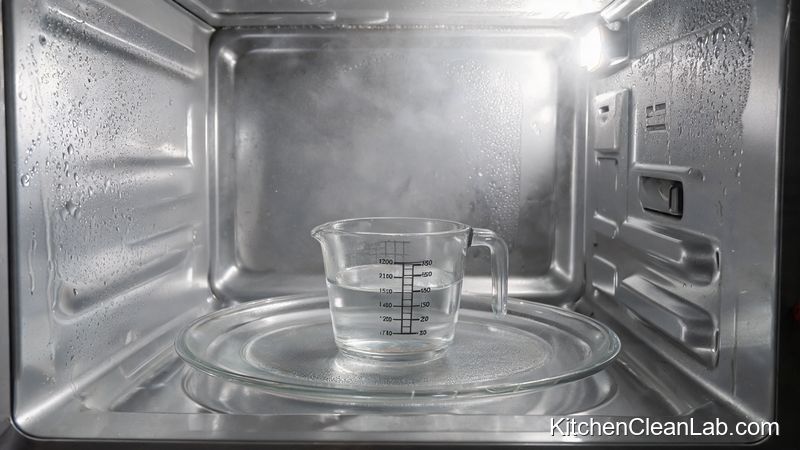
Run the microwave on high power for 3 to 5 minutes. The water should reach a rolling boil and fog the door glass. Lower-wattage models may need the full five minutes. Do not open the door immediately. Let the bowl rest inside for another 2 to 5 minutes. This dwell time is what softens the grime.
Step 3: Wipe Down the Interior
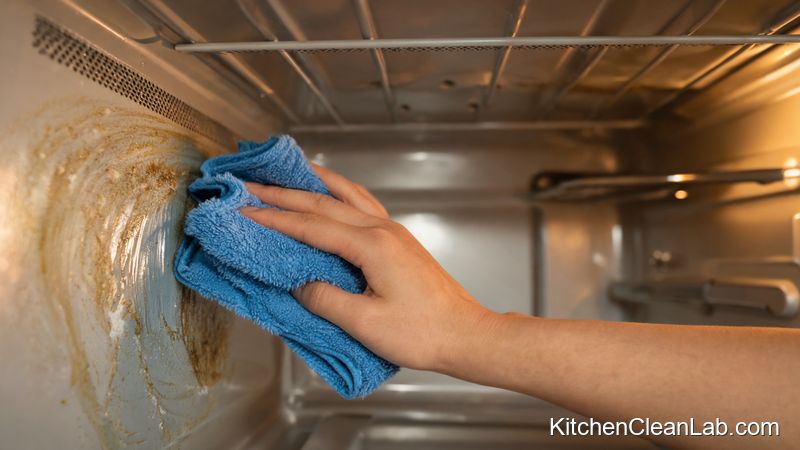
Open the door with your face to the side, then use a dry towel to remove the hot bowl. Starting at the top of the cavity, wipe down the ceiling, side walls, and floor with a damp microfiber cloth. Use light pressure first. Rinse the cloth in clean warm water if it loads up with grease.
Step 4: Wash the Turntable and Support Ring
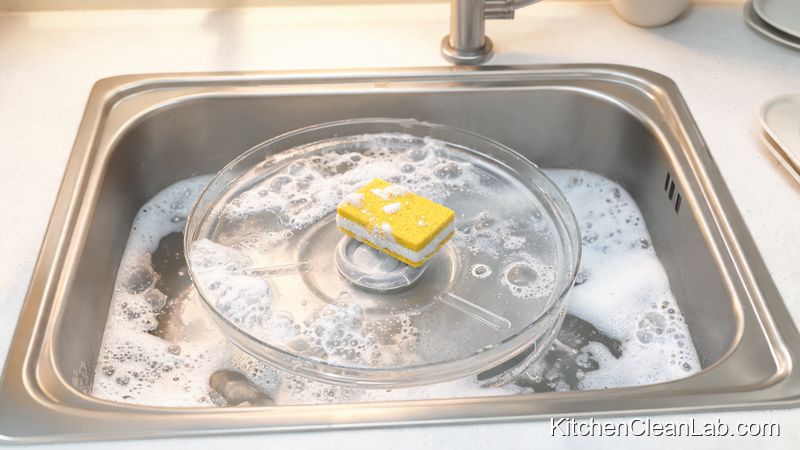
Remove the glass turntable and roller ring once they are cool enough to handle. Wash them in the sink with hot water and a few drops of grease-cutting dish soap, or place them on the top rack of the dishwasher. Avoid cold water on a hot glass tray because thermal shock can crack it. Dry fully before reinstalling.
Step 5: Clean the Door, Gasket, and Exterior
Wring out a clean cloth in the warm steam solution or plain hot water. Wipe the inner door, the rubber gasket around the opening, the control panel, handle, and exterior. Buff with a dry microfiber cloth to avoid streaks. Leave the door open for 10 to 15 minutes so trapped moisture can evaporate.
Natural Steam Cleaning Solutions Compared
For everyday splatter, lemon water is the most pleasant option because it deodorizes as it cleans. For heavier grease or hard-water buildup, white vinegar steam cuts through faster. Baking soda works better as a post-steam spot scrub than as a boiling solution.
- Lemon steam: 1 cup water plus half a lemon, squeezed. Best for regular cleaning and a fresh citrus scent.
- Vinegar steam: 1 cup water plus 1/3 cup distilled white vinegar. Best for greasy film and mineral spots.
- Baking soda paste: 2 tablespoons baking soda plus a few drops of water. Best for spot-scrubbing stubborn residue after steam.
- Dish soap solution: 1 cup hot water plus 1 teaspoon grease-cutting dish soap. Best for the gasket, door, and exterior.
Do not combine vinegar and baking soda inside the microwave while heating. The foaming reaction can overflow the bowl and create more mess. Apply baking soda only after the liquid has cooled and been removed.
How to Remove Stubborn, Baked-On Food
If steam alone does not remove burnt tomato sauce or cheese, sprinkle dry baking soda on the damp spot and let it foam. Wait two minutes, then scrub gently with a non-scratch sponge. For heavy buildup, repeat the steam cycle first.
Sometimes a microwave has been neglected long enough that steam only softens the top layer. In that case, use the steam step first, then make a paste of 2 tablespoons baking soda and enough water to form a spreadable scrub. Apply it to the baked-on area with a sponge. Let it sit for five minutes so the alkaline powder can break down greasy bonds. Then wipe and rinse with a clean damp cloth.
A melamine foam sponge can remove stubborn marks but can be too abrasive for printed control panels or soft plastic. Keep it on the interior enamel or glass only. Always finish with a damp microfiber cloth to remove any residue, then dry the surface.
Tips to Keep Your Microwave Clean Longer
Cover food with a vented lid or paper towel, wipe splatters as soon as the microwave cools, and run a quick lemon steam every one to two weeks. These small habits stop grease from turning into baked-on film and keep odors from setting.
- Cover everything you heat. A microwave splatter guard, paper towel, or microwave-safe plate prevents most messes.
- Reduce power for saucy foods. Heating soups and sauces at 70 percent power keeps them from erupting.
- Wipe spills the same day. Fresh splatter wipes away with plain water; day-old splatter often needs steam.
- Leave the door ajar after smelly foods. Moisture and odors escape instead of settling into the cavity.
- Clean the turntable weekly. Grease on the support ring can make the glass tray drag or chatter.
For stubborn odors like burnt popcorn, fill an open microwave-safe bowl with half a cup of dry baking soda. Place it inside, close the door, and leave it overnight. The baking soda adsorbs odor molecules. Remove the bowl before cooking and replace it after a week if needed.
Common Mistakes That Make Microwave Cleaning Harder
- Opening the door too soon: Steam needs dwell time to condense and soften grime.
- Using harsh sprays: Many degreasers are not food-safe and can leave odor or residue in the cavity.
- Scrubbing with steel wool: It scratches the interior and can damage the microwave's protective coating.
- Forgetting the gasket: Grease around the door can harden and affect the seal over time.
- Overfilling the bowl: Too much water can boil over and spill into the bottom of the appliance.
Frequently Asked Questions
Steam cleaning works because the hot vapor condenses on grime, making it water-soluble. Always use a heat-safe bowl, and if you see sparks or smoke, stop the microwave immediately and inspect the cavity for metal fragments or a damaged waveguide cover. Never run an empty microwave.
How often should I steam clean my microwave?
For a busy kitchen, run a quick steam clean every one to two weeks. Wipe spills immediately after they occur, and deep clean the microwave monthly. If you regularly heat foods with sauces, cheese, or grease, clean more often to keep the cavity fresh and efficient.
Can I use apple cider vinegar instead of white vinegar?
Yes, but apple cider vinegar can leave a faint sweet odor and may be less effective on heavy grease. Distilled white vinegar is preferred because it is clear, acidic, and inexpensive. Fresh lemon juice works just as well if the smell of vinegar is a concern.
Is it safe to add baking soda to the steam solution?
Yes, but do not mix baking soda with vinegar in the heating bowl because the reaction can foam over. Add one to two tablespoons of baking soda to water for deodorizing, or use dry baking soda as a gentle abrasive scrub after the steam cycle has loosened the grime.
Why does my microwave still smell like burnt popcorn after steaming?
The odor has likely penetrated surfaces and the vent system. Repeat the steam clean, then place an open bowl of dry baking soda inside overnight with the door closed. Remove the bowl before your next cook. If the smell remains, check and clean a removable vent filter according to the owner's manual.
Keep Your Microwave Clean With a Weekly Steam Habit
A five-minute steam clean is safe, low-cost, and effective. Use lemon for everyday freshness or vinegar for heavy grease, give the steam time to work, and wipe before the cavity dries. Consistent quick cleanups prevent baked-on buildup and stubborn odors.
The best microwave cleaning routine is mostly preventive. Cover food, reduce power for messy sauces, and wipe spills while they are fresh. Then use the 5-step steam method as a reset whenever the door looks foggy or the cavity starts to smell. You will scrub less, protect the interior, and keep the appliance ready for the next meal.