Why Post-Holiday Kitchen Cleanup Needs a System
Holiday cooking turns splattered fats and starches into a polymerized film that ordinary sprays smear around. Working in the correct order—cool, scrape, soak, degrease, and surface-match—cuts cleanup time and prevents permanent damage to your stove and surrounding surfaces.
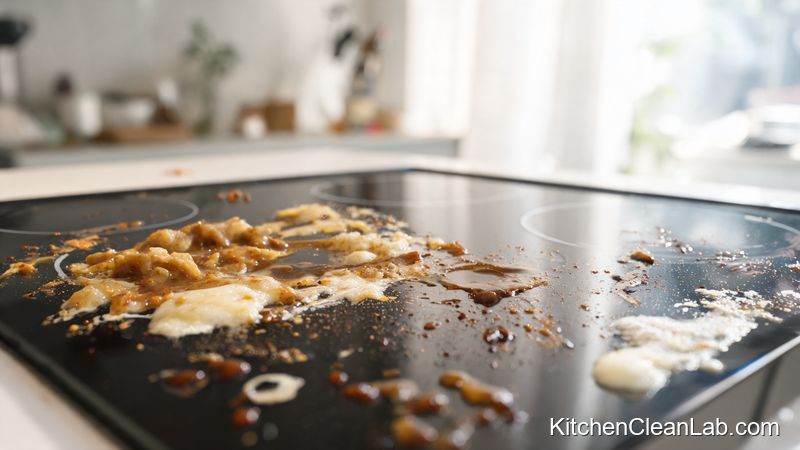
Holiday cooking runs burners hot for six to twelve hours straight. That sustained heat polymerizes turkey grease, gravy splatter, and the starchy water from boiled-over potatoes into a tacky film. The morning after, that film has cooled into a semi-solid layer that ordinary all-purpose sprays just push around, so you need a sequence, not a single cleaner.
According to the National Fire Protection Association, Thanksgiving Day has more than three times the average number of home cooking fires, with grease and unattended cooking as leading causes. Post-holiday dinner cleanup is therefore about fire prevention, not just appearance.
Most of the grime—roughly 80%—responds to hot water plus a true surfactant, which is the active degreasing ingredient in dish soap such as Dawn. Specialty cooktop creams and ammonia treatments matter only for the last 20%: baked-on carbon, polymerized fat, and burned starch. The real skill is working in the right order and matching the method to the surface.
The Safety Reset: Cooling and Staging Before You Scrub
Wait 30 to 45 minutes after the last burner or oven use before touching any hot surface. Wet rags or cold cleaner on hot glass or induction can cause thermal shock cracks, and staging your grates and drip pans to soak early does half the work for you.
Start by clearing the immediate work zone. Empty the dishwasher if you ran it during dinner, set up a deep soaking bin or clean sink, and grab the right tools: a plastic bench scraper, a single-edge razor scraper for glass, non-scratch nylon scrub pads, microfiber towels, baking soda, white vinegar, and Dawn dish soap. If you plan to use the ammonia bag method for carbonized gas grates, open a window or set up in a garage. Never mix ammonia with bleach, and wear nitrile gloves because both ammonia and prolonged degreasing can strip skin oils.
Also remove rings and watches. A diamond or metal band can scratch a glass cooktop faster than any scrub pad.
- Cool fully: 30–45 minutes after the last burner.
- Ventilate: Open windows or run the hood if using ammonia.
- Protect your hands: Nitrile gloves for degreasing and ammonia work.
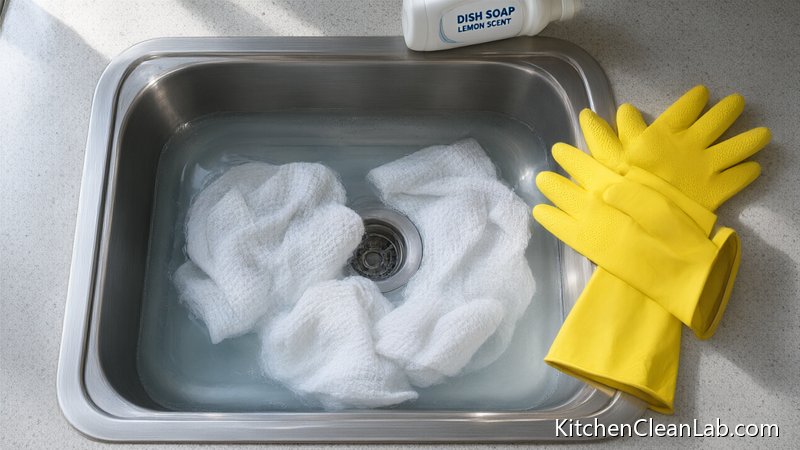
- Stage a soak bin: A deep roasting pan or sink with hot soapy water for grates and caps.
The Surface-by-Surface Post-Holiday Dinner Cleanup Sequence
Start with dry scraping, then move to a hot soapy soak, then match the treatment to the cooktop type. Pull grates, caps, and drip pans first; scrape solids dry; degrease with hot water and Dawn; then use the correct non-abrasive method for glass, gas, electric, or induction.
This order matters more than product choice. If you spray liquid onto a dry, sugar-laden spill, you create a sticky slurry that spreads across the cooktop and into burner crevices. Dry scraping removes the worst of it without smearing.
- Cool the stove completely. Wait until the surface is room temperature, usually 30 to 45 minutes.
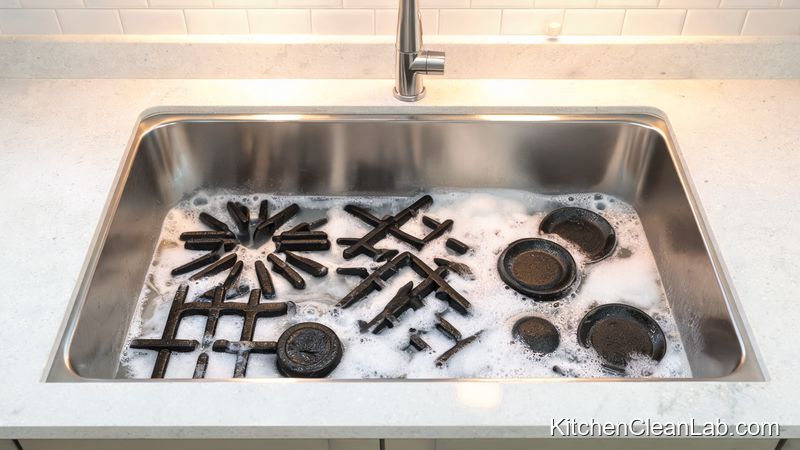
- Remove and stage loose parts. Put grates, burner caps, and removable drip pans into hot water with a generous squeeze of Dawn. Let them soak while you clean everything else.
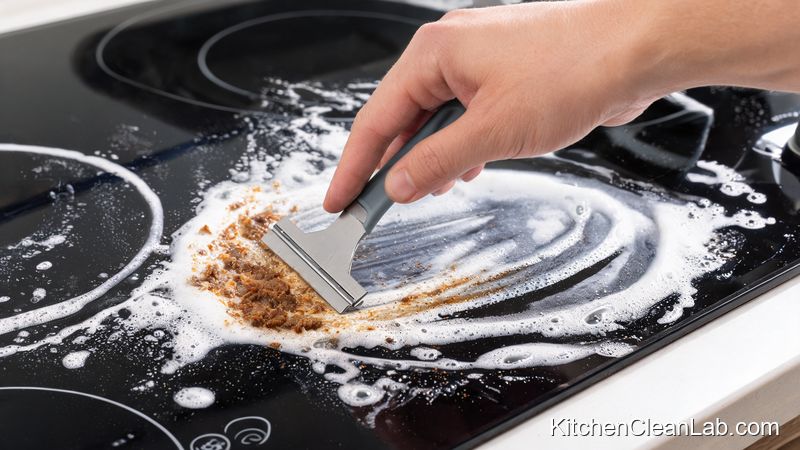
- Scrape solids dry. Use a plastic bench scraper on all surfaces. On glass and ceramic, hold a single-edge razor scraper at a 45-degree angle and shave off baked-on drops, keeping the area dry for this pass.
- Wipe with hot soapy water. Spray or sponge the surface, then wait five minutes to let the surfactant lift grease.
- Surface-match the deep clean. Move to the stove-type protocols below.
Stove Top Cleaning by Cooktop Type
Glass and ceramic tops need baking soda, vinegar, and a hot microfiber soak; gas grates need a 20 to 30 minute soap soak or an overnight ammonia bag; electric coils stay dry while drip pans soak; induction must be fully cool before any liquid touches it.
Glass and Ceramic Cooktops
For glass or ceramic smooth-tops, sprinkle a thin, even layer of baking soda over the cooled cooktop. Spray or pour white vinegar over it until it foams, then lay a hot, damp microfiber towel across the surface and wait 15 minutes. Wipe in circles with the towel; the loosened residue lifts off without harsh scrubbing. For stuck-on spots, hold a razor scraper at a 45-degree angle and shave them off while the area stays wet. Buff dry with a clean microfiber.
Dawn dish soap is safe on glass and should be your first degreaser, not a last resort. Skip steel wool, scouring powders, and abrasive pads permanently. If baking soda leaves a dull haze on a black ceramic finish, switch to a non-abrasive cooktop cream such as Bar Keepers Friend Cooktop Cleaner and buff lightly.
Gas Burner Grates and Drip Pans
Gas grates are usually cast iron or porcelain-coated steel. Fill a sink or soak bin with hot water, a quarter cup of baking soda, and a generous squeeze of Dawn. Submerge grates and burner caps for 20 to 30 minutes minimum; holiday-level grime may need 45 minutes. Scrub while wet with a non-scratch nylon pad.
For badly carbonized grates, use the ammonia bag method: place each grate in a heavy zip-top bag, add a quarter cup of household ammonia, and do not add water. Seal and leave overnight in a garage or well-ventilated area. The fumes break down the carbonized fat. Rinse thoroughly the next morning. Never mix ammonia with bleach, and never use this method indoors without ventilation.
After soaking, clear each burner port with an unbent paperclip if the flame was yellow or uneven. Dry cast-iron grates completely before reseating; wet cast iron rusts quickly. Skip all-purpose spray on cast iron—it can strip seasoning and encourage rust freckles.
Electric Coil Stovetops
Electric coils should never be submerged because they contain wiring. After the coils cool, lift them out and wipe with a lightly damp cloth. Remove the chrome drip pans and soak them in hot soapy water with baking soda. For stubborn polymerized spills on drip pans, a paste of baking soda and water or a non-abrasive cleaner can help, but don't use steel wool unless you are prepared for scratches and rust.
Wipe the cooktop recess underneath while the drip pans soak, then dry everything completely before reassembling. Coil stovetops are simple, but they are not indestructible.
Induction Cooktops
Induction surfaces are glass. The absolute rule is to wait until the cooktop is completely cool before any cleaning. Cold water on hot induction glass can crack the top. Use hot water with a few drops of Dawn and a non-abrasive sponge, or a damp microfiber towel. For baked-on spots, use the baking soda and vinegar protocol or a non-abrasive induction cooktop cleaner. A razor scraper at 45 degrees can remove burned-on deposits if the surface stays wet. Never use abrasive pads, scouring powder, or steel wool.
Quick reference by surface:
- Glass/ceramic: baking soda + vinegar, hot microfiber soak, razor scraper; no abrasives.
- Gas grates: soak in hot Dawn water, ammonia bag for carbon buildup, clear ports with paperclip.
- Electric coils: never submerge coils; soak drip pans only.
- Induction: cool completely; no cold water on hot glass.
The Next-Day Whole-Kitchen Reset: Counters, Floors, and Linens
After the stove is clean, work from top to bottom: wipe the backsplash and upper cabinets with hot dish soap, sanitize counters, then sweep and mop floors. Linens need immediate cold-water laundry or a stain soak before cranberry, red wine, and gravy proteins set.
Start with food storage. Handle leftovers while they are still fresh. Use shallow containers so food cools quickly in the fridge, label them with contents and date, and pack guest portions before the meal ends if possible. This prevents waste and keeps your refrigerator organized.
For surfaces, warm water with a few drops of Dawn cuts the film on counters, cabinet handles, and the backsplash behind the stove. If raw poultry contacted a counter, follow with a food-safe sanitizer or diluted bleach solution after degreasing. Don't forget often-missed spots: the microwave interior, range hood, trash can exterior, and light switches.
Floors should be dry-mopped or vacuumed first to collect crumbs, then damp-mopped with warm water and a small amount of dish soap. Avoid soaking hardwood or laminate; use a lightly wrung mop. Linens and tablecloths should be scraped free of food, treated with a stain remover or a 50/50 hydrogen peroxide and water mix on protein and berry stains, washed in cold water, and air-dried to prevent setting and shrinkage.
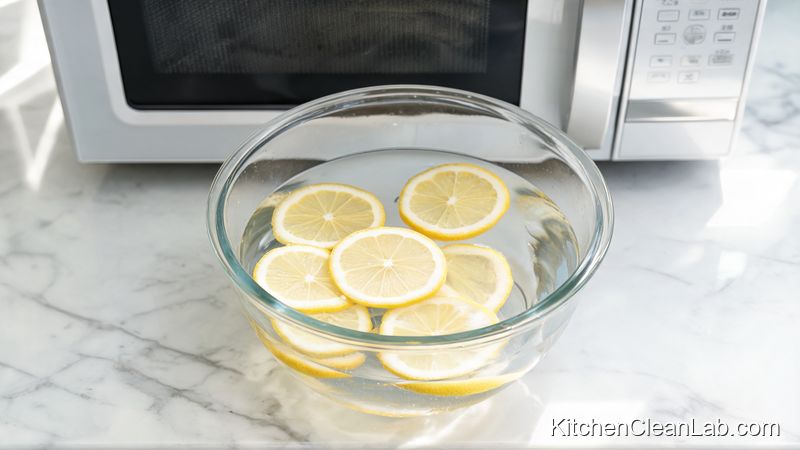
Finally, open windows for ten minutes to air out cooking odors. If the smell lingers, simmer cinnamon sticks or citrus peels in water while you finish the floor.
Mistakes That Spread Grease or Ruin Finishes
The biggest errors are using the same abrasive method on every surface, spraying cold water on hot glass, submerging electric coils, and scrubbing before dry scraping. These mistakes cause scratches, rust, thermal shock cracks, and a greasy film that migrates to the backsplash and floor.
- Using steel wool or scouring powder on glass: permanently scratches the cooktop.
- Putting cold water on a hot induction or glass surface: risks thermal shock cracks.
- Soaking electric coils: creates an electrical hazard and damages wiring.
- Forgetting burner ports: blocked gas ports from holiday carbon can cause uneven flames and increase fire risk.
- Leaving cast-iron grates wet: leads to rust quickly.
- Skipping the dry scrape: turns sugary spills and starch into a sticky slurry that spreads.
- Running one three-hour marathon: two 45-minute sessions with soak time in between are more effective and less damaging.
Frequently Asked Questions About Post-Holiday Dinner Cleanup
Quick answers for the most common post-holiday cleanup questions: wait for the stove to cool completely, use Dawn on glass, soak gas grates in hot soapy water or an ammonia bag, and never submerge electric coils because they contain wiring.
How long should I wait before cleaning a hot stove top?
Wait at least 30 to 45 minutes after the last burner or oven turns off. Glass and induction cooktops are especially vulnerable to thermal shock, so the surface should feel room temperature before any water, cleaner, or wet towel touches it.
Can I use Dawn dish soap on a glass stove top?
Yes. Dawn is a surfactant that cuts cooked-on turkey grease without scratching glass. Use it with hot water and a non-abrasive sponge or microfiber first. If a haze remains, a non-abrasive cooktop cream such as Bar Keepers Friend can remove it.
What is the fastest way to clean gas burner grates after Thanksgiving?
Soak grates in hot water with a generous squeeze of Dawn and a quarter cup of baking soda for 20 to 30 minutes, then scrub with a non-scratch nylon pad. For heavy carbonization, place each grate in a sealed zip-top bag with a quarter cup of household ammonia overnight, no water, and rinse thoroughly in the morning.
Is it safe to put electric coil burners in water?
No. Electric coils contain wiring and should never be submerged. Lift them out after they cool, wipe with a lightly damp cloth, and soak only the drip pans and clean the recess underneath separately.
Keep the Next Post-Holiday Cleanup Shorter
Prevention is the fastest cleanup strategy. Put sheet pans under roasting dishes, use splatter screens, set up a soak bin before serving, and empty the dishwasher before guests arrive. These small moves can cut your next post-holiday reset time in half.
During cooking, tidy as you go. Chefs wipe down counters and load the dishwasher continuously, which prevents grease from becoming a polymerized film after the meal. Line electric drip pans with foil only if the manufacturer allows; gas drip pans should not be lined because it can block airflow and become a fire hazard. Keep a damp towel under cutting boards to stop them from sliding, and set aside a second basin for dirty serving utensils.
The bottom line: post-holiday dinner cleanup does not have to be a three-hour punishment. A system based on cooling, dry scraping, hot-soap soaking, and surface-specific deep cleaning protects your finishes and returns the kitchen to a comfortable state without exhausting yourself.