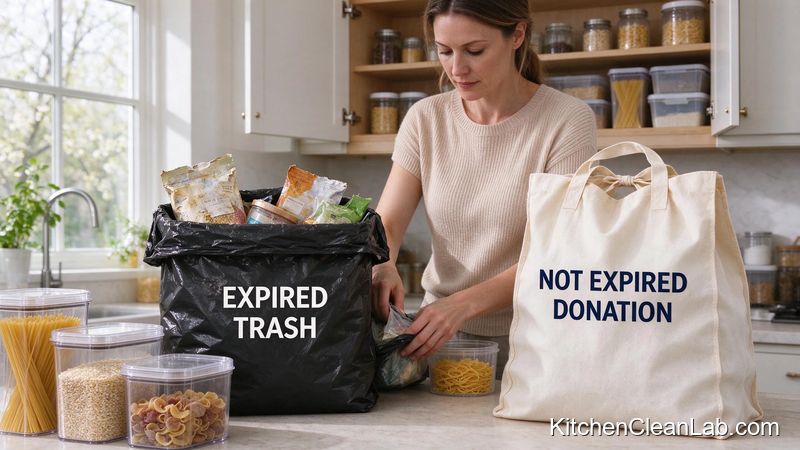
Why Commercial Home Bakers Need a Strict Hygiene Routine
A written home bakery hygiene routine turns a shared residential kitchen into a safe commercial food production space. It forces you to control pet hair, visitor traffic, leftover meals, and raw ingredient splash that retail bakeries simply do not face. Good records also show a cottage food inspector that you understand and manage risks.
Home kitchens are not constructed like licensed food facilities. Residential counters are often porous, sinks are shared with household dishes, and refrigerators hold both family groceries and commercial ingredients. Without a documented routine, cross-contact and spoilage become easy. A strict plan also protects your brand reputation, reduces wasted product, and helps you meet standards found in commercial pastry hygiene checklists.
Personal Hygiene and Handwashing Before You Bake
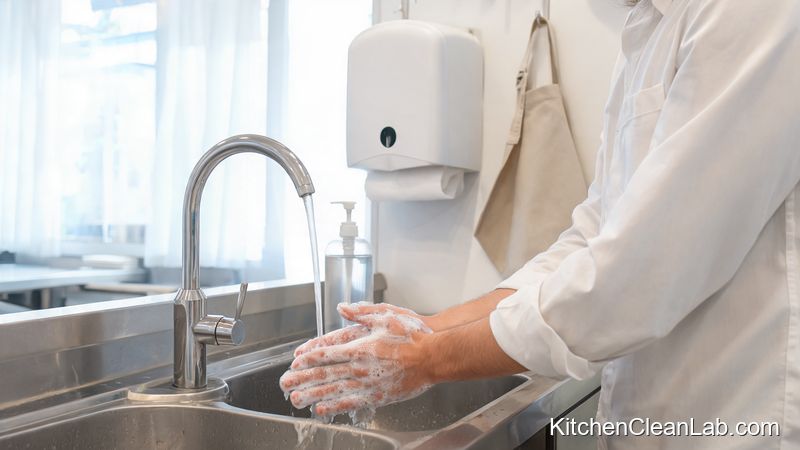
Start every bake day with clean hands, short unpolished nails, hair fully restrained, and no hand jewelry. Wash your hands before handling ingredients and after touching raw eggs, raw flour, trash, phones, pets, or your face. Use a single-use paper towel, not a shared kitchen towel.
Personal hygiene is the first critical control. Nail polish and false nails can chip into dough; rings and bracelets trap moisture and pathogens. Wear a clean apron or dedicated bakery coat. If you have long hair or facial hair, use a hairnet, cap, or beard cover. Any cuts or burns on hands should be covered with a waterproof bandage and a finger cot or non-latex glove.
- Wet hands with warm water and apply unscented soap.
- Scrub palms, backs, between fingers, and under nails for at least 20 seconds.
- Rinse thoroughly and dry with a fresh paper towel.
- Use the paper towel to turn off the faucet.
Glove warning: Gloves are useful when handling ready-to-eat items, but they do not replace handwashing. Change them whenever you touch a non-food surface, raw ingredient, trash can, or your face. Never wash and reuse disposable gloves.
Sanitizing Food-Contact Surfaces and Tools
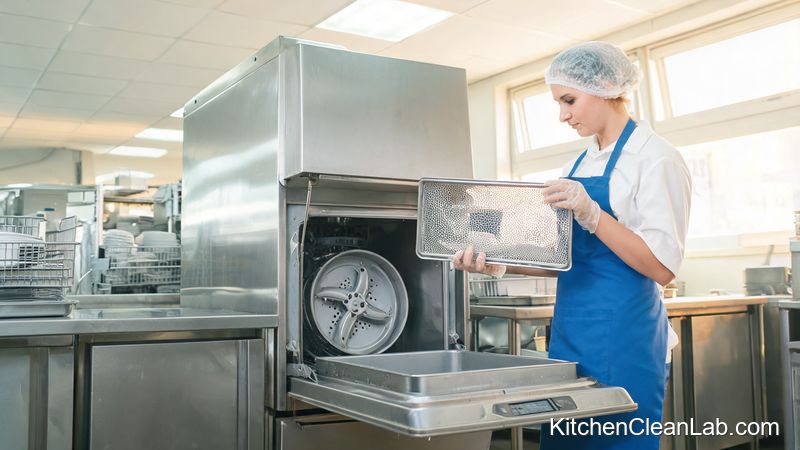
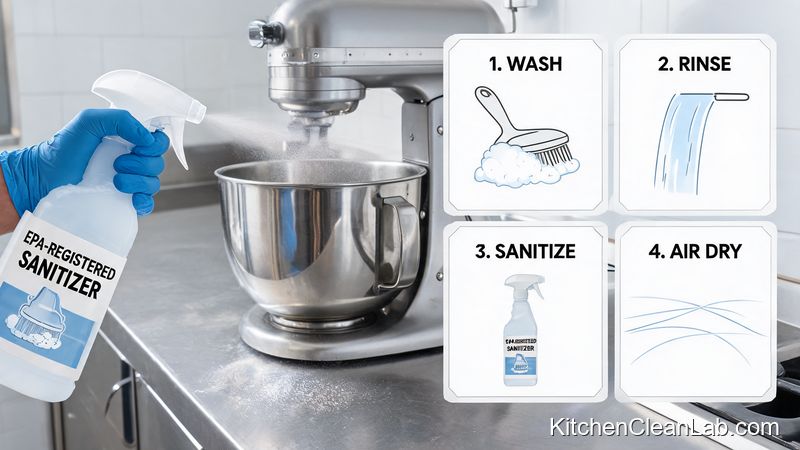
Use a wash-rinse-sanitize-air-dry sequence on every surface that touches dough, batter, frosting, or finished baked goods. Remove visible grease and crumbs with warm soapy water first, then apply an approved food-contact sanitizer at the correct concentration. Air drying is the final kill step.
Food-contact surfaces include stand mixer bowls, beaters, dough hooks, piping tips, pastry brushes, bench scrapers, rolling pins, sheet pans, cooling racks, and thermometer probes. Rinse away soap before sanitizing because detergent residue can reduce sanitizer effectiveness. Use an EPA-registered sanitizer or a proper diluted bleach solution. Do not use scented or splashless household bleach. Check the product label for food-contact use and contact time.
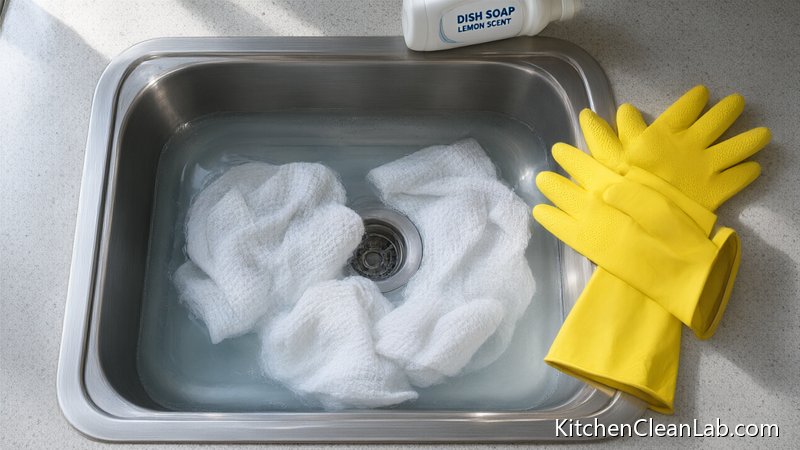
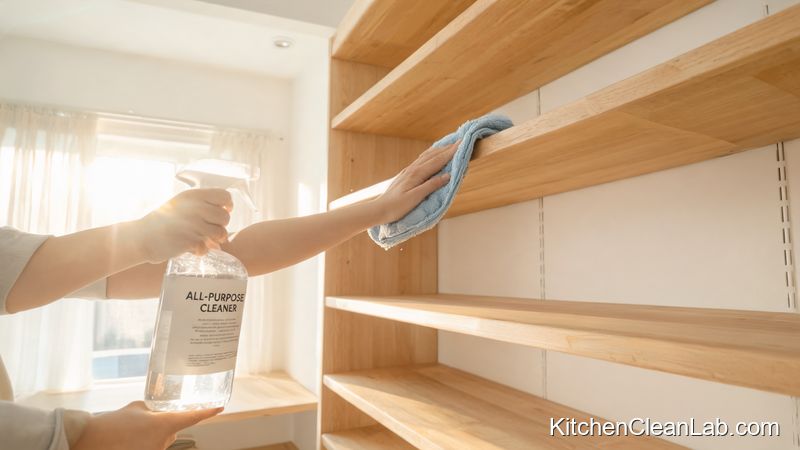
Create a sanitizer station: keep a spray bottle, paper towels, and a clean container of freshly mixed solution nearby. Replace sanitizer daily because it loses strength. Avoid wiping surfaces with a reused cloth or sponge. If you use cloths, store them in a sanitizer bucket between uses and launder at the end of the day.
Ingredient Storage, Labeling, and Stock Rotation
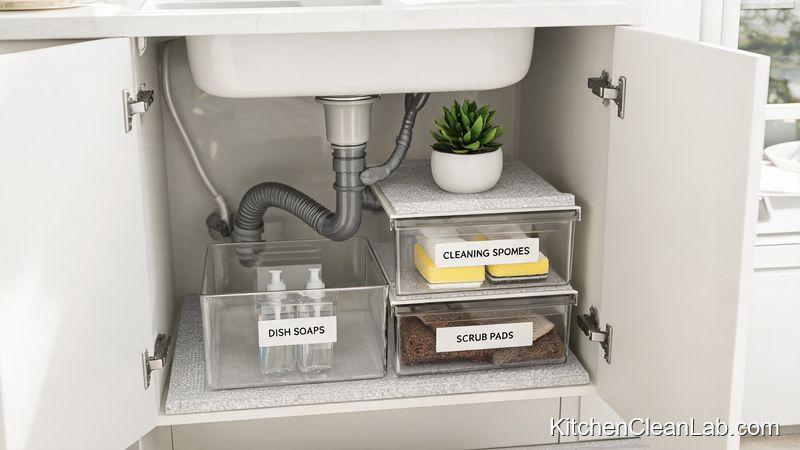
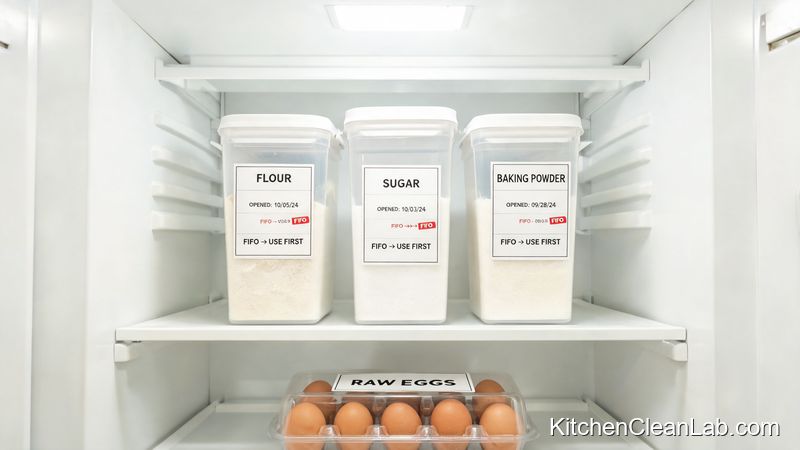
Store all commercial baking ingredients in food-grade, sealed containers labeled with the product name and opening date. Rotate stock by first-in, first-out (FIFO), keep raw eggs and raw flour below ready-to-eat items, and store chemicals in a separate room or locked cabinet away from food.
Labeling prevents costly mix-ups. Flour, sugar, cornstarch, and baking powder look similar once removed from original bags. Use food-grade containers with tight-fitting lids. Keep opened packages in a clean, dry area off the floor. If you transfer ingredients, transfer allergen information too.
FIFO means placing newer items behind older ones and using the oldest first. Mark open dates and use-by dates. Check for pests by inspecting bags for holes, webbing, or droppings before use. Rodents and pantry moths can enter through bulk flour and grain packaging.
- Top shelves: ready-to-eat decorations, finished items, food-grade packaging.
- Middle shelves: dry mixes, sugar, unopened ingredients.
- Bottom shelves: raw eggs, raw dairy, and any raw meat in closed containers.
Chemicals must never be above or beside food. Even a small spray bottle of oven cleaner can leak.
Temperature Controls and Allergen Management
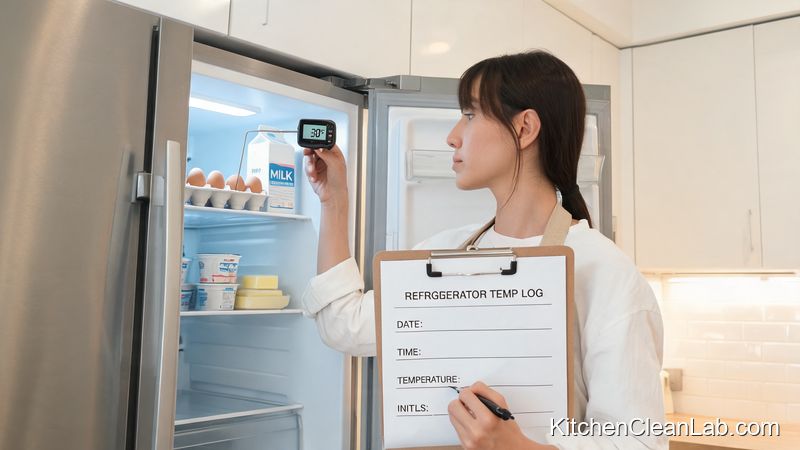
Refrigerators must stay at 40°F (4°C) or below and freezers at 0°F (-18°C) or below, checked at least twice daily. Keep a written or digital log, calibrate thermometers regularly, and separate allergen-prone ingredients like nuts, dairy, and wheat from allergen-free production areas.
The temperature danger zone is 40°F to 140°F (4°C to 60°C). Bacteria like Staphylococcus aureus and Salmonella multiply rapidly in this band. Custard fillings, cream cheese frostings, mousses, and soaked cakes must be refrigerated quickly. Cool hot fillings in shallow, uncovered pans and refrigerate within two hours, or one hour if the kitchen is above 90°F.
Use a probe thermometer to check internal food temperatures, not just refrigerator air temperature. Keep a separate thermometer for raw items and ready-to-eat items or sanitize between uses. Record cooler and freezer temperatures at the start and end of each bake day. Many state cottage food programs expect this log.
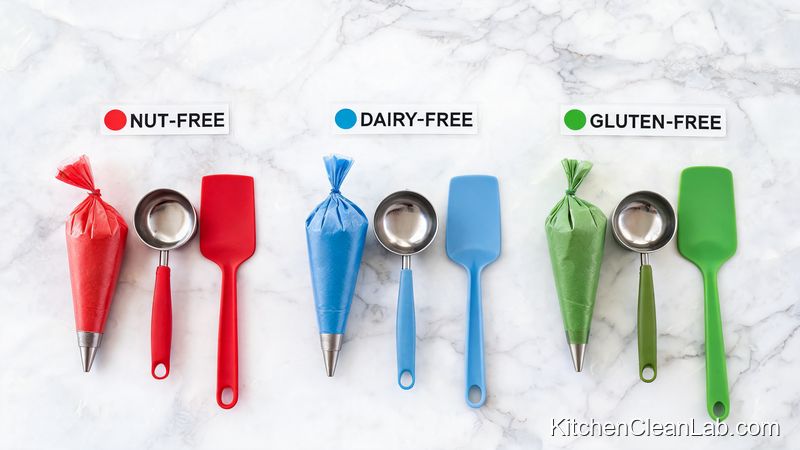
- Designate separate piping bags, scoops, and spatulas for allergen-free batches.
- Clean and sanitize all shared equipment after allergen contact.
- Label finished products with major allergens such as wheat, milk, eggs, soy, peanuts, tree nuts, fish, shellfish, and sesame.
- Do not pack allergen-free cookies on the same unwashed cooling rack used for peanut butter cookies.
Step-by-Step Daily Hygiene Routine for Commercial Home Bakers
Follow the same production sequence every time: pre-bake setup, ingredient separation, mid-production handwashing, post-bake cleanup, and final logs. This order reduces repeat contamination and keeps you from forgetting critical checks when orders pile up. Keep a laminated checklist visible near the sink.
- Pre-bake setup: Remove pets from the kitchen, open a window or run an exhaust fan, clear household items, and put on clean bakery attire.
- Wash and inspect hands: Remove jewelry, scrub for 20 seconds, cover cuts, and put on a hair restraint.
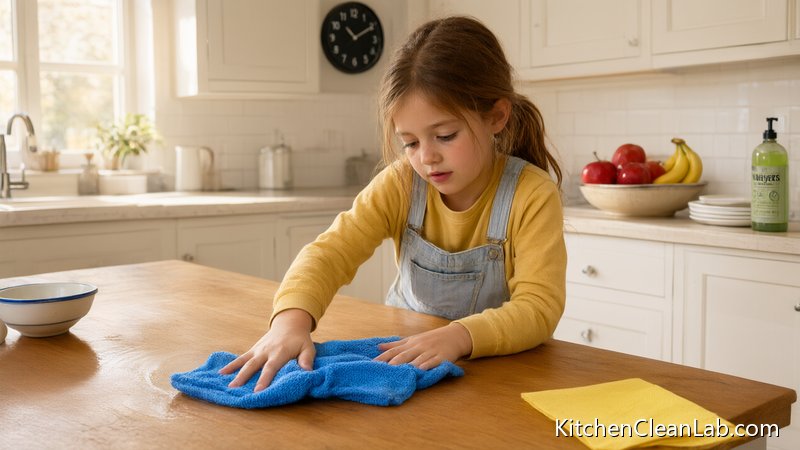
- Sanitize work zones: Clean and sanitize counters, sink faucet handles, refrigerator handles, and tool caddies.
- Check temperatures: Log refrigerator and freezer readings, and confirm that sanitizer solution is fresh.
- Gather equipment: Use only clean, air-dried tools. Do not stack wet bowls.
- Manage raw ingredients: Portion raw eggs and flour in a separate area away from frosting and finished goods.
- Mid-production checks: Wash hands after each raw ingredient task, change gloves if used, and sanitize spills immediately.
- Cool and store: Move finished products to cooling racks, then package only after fully cool. Refrigerate high-risk fillings promptly.
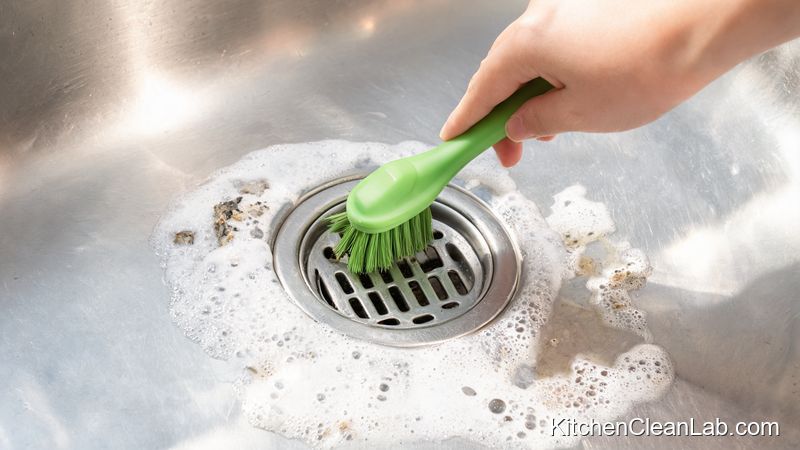
- Post-bake cleanup: Wash, rinse, sanitize, and air dry all tools and surfaces. Remove food debris from floors and drains.
- Final records: Enter temperature logs, note sanitizer changes, take out trash, and check pest traps or sticky boards.
Common Home Bakery Hygiene Mistakes That Fail Inspections
Shared dish towels, unlabeled ingredient containers, and missing temperature logs are among the most common compliance failures for home bakers. Other frequent issues are wearing rings while kneading, storing raw eggs above frosting, and letting pets roam through the baking area. Correct them before they become repeat habits.
| Mistake | Why It Matters | Quick Fix |
|---|---|---|
| Reusing a kitchen towel for hands and counters | Spreads bacteria across clean surfaces and food. | Use disposable paper towels or separate sanitizer cloths. |
| Skipping refrigerator temperature logs | Warm storage encourages pathogen growth in fillings. | Log twice daily and set phone alarms. |
| Wearing nail polish or false nails | Polish chips can fall into dough; false nails trap contaminants. | Keep nails short and bare during production. |
| Storing chemicals above food | Leaks and fumes contaminate ingredients and packaging. | Move chemicals to a locked cabinet away from food. |
| Using the same piping bag for nut and nut-free orders | Allergen cross-contact can trigger severe reactions. | Use dedicated color-coded tools or sanitize between uses. |
Frequently Asked Questions About Home Bakery Hygiene
Home bakers most often ask how frequently to wash hands, which sanitizers are safe, whether pets can remain in the house, and if gloves are required. The short answer is wash more often than feels excessive, use an approved food-contact sanitizer, keep pets out, and treat gloves as a convenience rather than a substitute.
How often should a commercial home baker wash their hands during a production run?
Wash before starting, after handling raw eggs, raw flour, or dairy, after touching trash, phone, hair, or a pet, and any time you change tasks. Use warm water, unscented soap, and a paper towel for drying. A 20-second wash removes most transient bacteria.
What sanitizer is safe for home bakery food-contact surfaces?
Use an EPA-registered food-contact sanitizer, or a bleach solution of about 1 tablespoon unscented household bleach per gallon of cool water. Apply after cleaning, follow label contact time, and let surfaces air dry completely.
Can pets be in the house while I bake commercially?
No. Pets should be shut out of the kitchen during any commercial production and preferably out of the production area entirely. Fur, dander, and litter particles can become airborne and settle on exposed dough, frosting, and clean tools.
Do I need to wear gloves when handling baked goods?
Gloves are not mandatory in every cottage food program, but they add a barrier when handling ready-to-eat items like cookies after baking. Change them after touching your face, phone, raw ingredients, or cleaning chemicals, and never wash and reuse disposable gloves.
Keeping Your Hygiene Routine Consistent and Inspector-Ready
Consistency is the core of a solid home bakery hygiene routine. Keep a one-page daily checklist, a digital temperature log, and a stocked sanitation caddy so the process becomes automatic. Review the routine monthly, update it when recipes or ingredients change, and train any helpers before they touch food.
Set a recurring calendar task to inspect cleaning supplies, thermometer batteries, pest traps, and first aid kit. If you add a new high-risk item like custard or allergen-containing inclusions, update your hygiene plan that same week. Save dated photos of clean workspaces and temperature logs with your business records. During a cottage food inspection, organized records and a visibly clean production area are the strongest proof of a functioning routine.