Why Spotless Kitchens Are a Daily System, Not an Accident
If you have ever walked into a friend’s kitchen and wondered how it looks like a magazine spread even during a busy week, the answer is not that they spend hours scrubbing every day. People who maintain spotless kitchens rely on a set of repeatable habits that prevent messes before they accumulate. These habits are not about perfection; they are about small, consistent actions that reduce visual noise and make cleaning faster. In this guide, we break down the 7 habits of people who always have spotless kitchens and show you exactly how to build them into your routine.
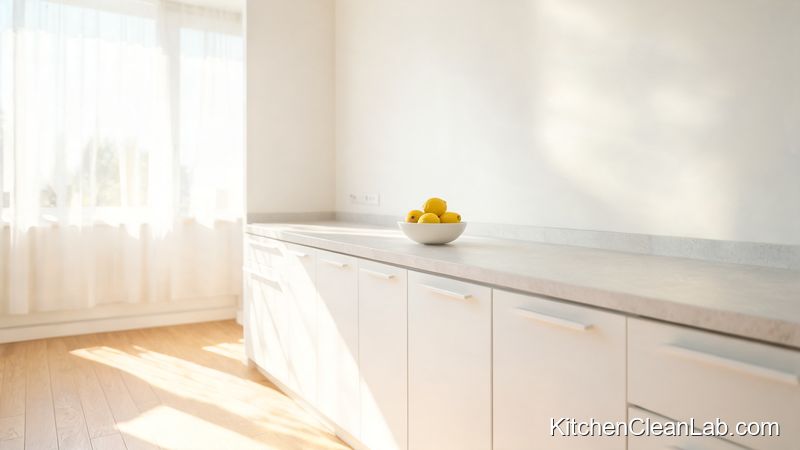
According to cleaning experts, most kitchen mess is a result of delayed decisions. When you leave a coffee maker on the counter or a skillet in the sink, you create a visual cue that invites more clutter. The habits below work because they remove friction and shorten the time between mess and cleanup.
Habit 1: They Minimize Counter Clutter
Counter clutter is the biggest enemy of a spotless kitchen. When your counters are crowded with small appliances, spice jars, and random mail, you cannot easily wipe down surfaces, and the room instantly looks chaotic. People with consistently clean kitchens treat countertops as clear zones, not storage spaces.
Start by removing anything you do not use at least once a day. The most common items to relocate or store include:
- Small appliances like stand mixers, toasters, and air fryers
- Fewer oils, sauces, and spice jars—keep only daily essentials out
- Dirty dishes that never made it to the sink
- Decorative items that collect grease and dust
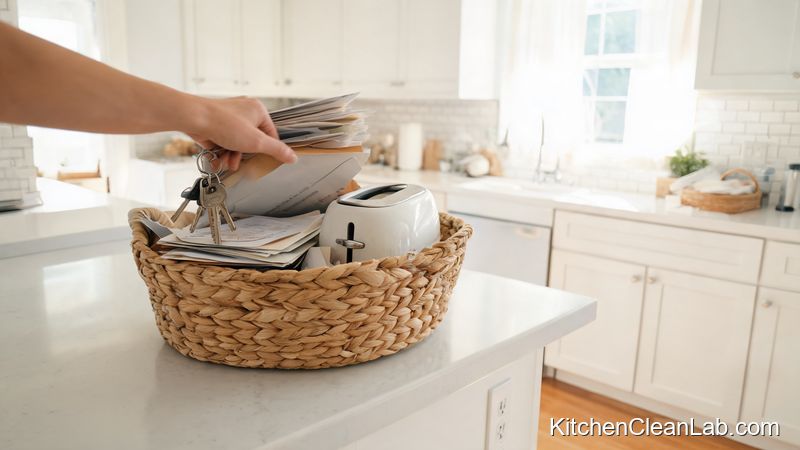
- Mail, keys, and paperwork that belong elsewhere
Action step: Take a basket and walk around your kitchen. Place every item that does not need to live on the counter into the basket. Find a cupboard, pantry shelf, or donation box for each one. Aim to clear at least 70% of the counter surface so you can see the actual countertop.
Habit 2: They Assign a Labeled Home for Every Item
A clean kitchen routine falls apart when items lack a clear destination. If the waffle maker has no home, it migrates from counter to table to the top of the refrigerator. If the baking supplies are not labeled, family members shove them into random cabinets. That is why people with spotless kitchens create zones and label them clearly.
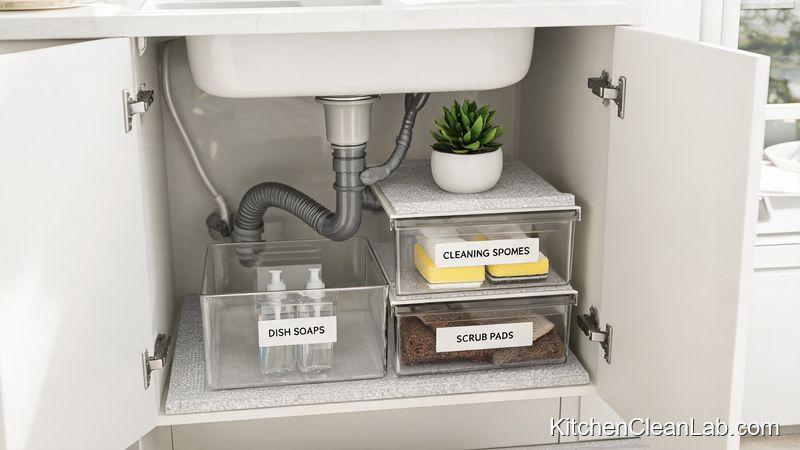
Use drawer organizers, clear bins, and shelf risers to assign every category a spot. Label shelves for plates, pantry staples, snacks, and appliances. For shared households, labels act as gentle reminders that reduce the “where does this go?” problem.
Practical tip: Label the edge of shelves with a label maker or wipeable tape. For pantry staples, use matching clear containers with labels for flour, sugar, pasta, and rice. This not only looks tidy but also helps you spot when supplies are running low.
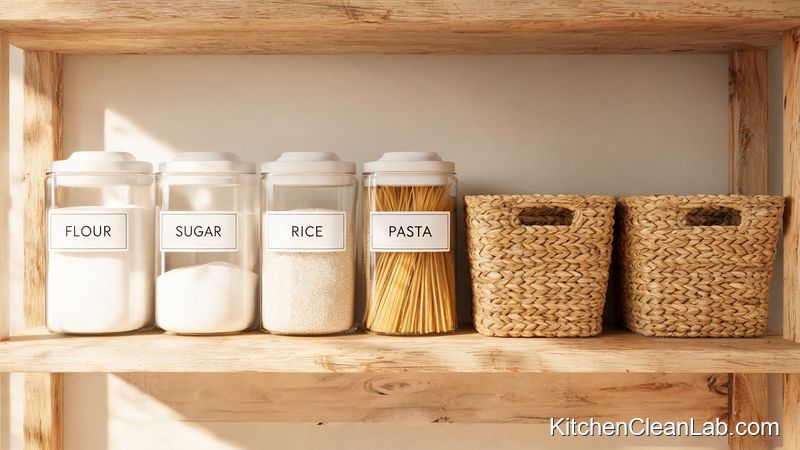
Action step: Pick one cabinet or drawer this weekend. Empty it completely, group similar items, and return them only after labeling their spots. You will notice an immediate reduction in counter clutter and cabinet chaos.
Habit 3: They Clean as They Cook
Many home cooks finish dinner with a sink full of pots, pans, and measuring cups. People with spotless kitchens use downtime during cooking to tidy as they go. While water boils or onions soften, they put away ingredients, wipe spills, and load the dishwasher.
This clean as you cook habit is the highest-leverage change you can make. It turns a 20-minute post-dinner cleanup into a five-minute wipe-down. The key is to keep a garbage bowl or bag on the counter and a damp cloth within reach.
Action step: Before you start any recipe, clear the sink and empty the dishwasher if clean. As you finish each ingredient, return it to the pantry or fridge immediately. When a cutting board becomes messy, scrape scraps into the trash and place it in the dishwasher or sink rather than leaving it on the counter.
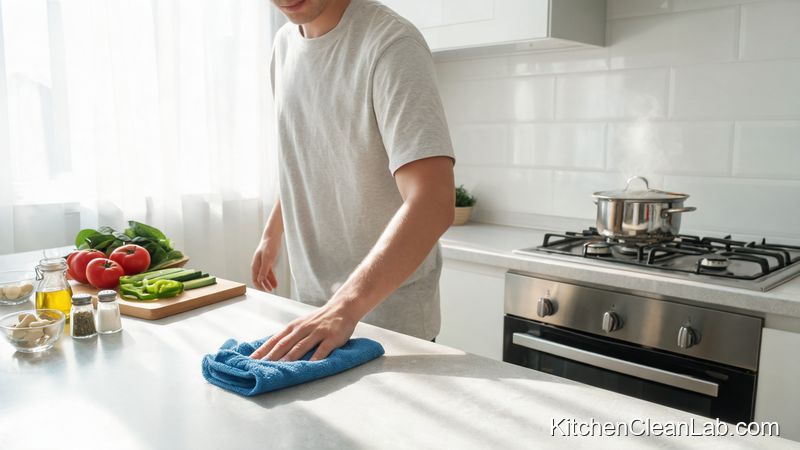
Think of it as a game: try to have the kitchen look 90% clean by the time the timer goes off. This habit alone will transform your kitchen cleaning habits.
Habit 4: They End Every Night with an Empty Sink
Waking up to a sink full of crusty dishes is a discouraging start. The people who maintain spotless kitchens treat an empty sink as a non-negotiable nightly ritual. Even if they are tired, they run the dishwasher or wash the few items by hand before going to bed.
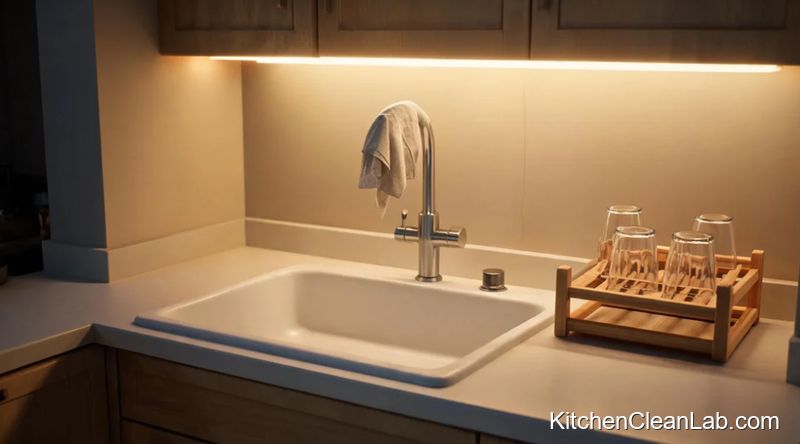
This habit pairs with cleaning as you cook. If you have already loaded most dishes during meal prep, the final step is simply wiping the sink and laying out a fresh dish towel. You then wake up to a kitchen that feels calm and ready for breakfast.
Action step: Set a timer for 10 minutes after dinner. Load the dishwasher, hand wash knives and nonstick pans, wipe the sink, and start the dishwasher if full. The rule is simple: no dirty dishes remain visible overnight.
Habit 5: They Take Care of Messes as They Happen
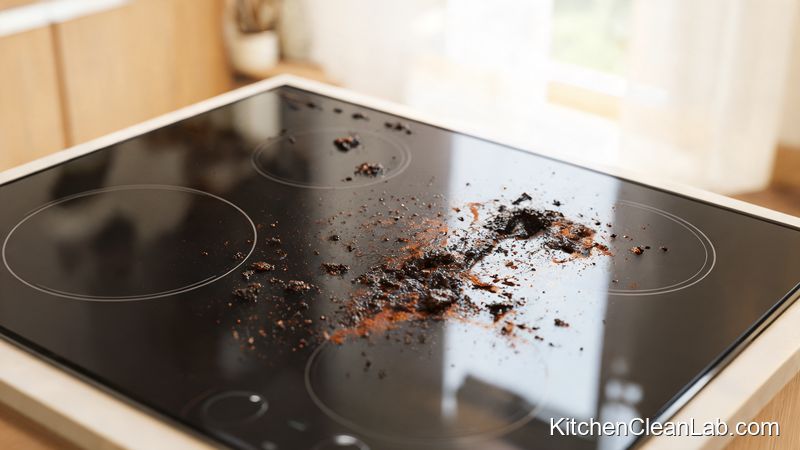
A dropped blueberry or a splash of tomato sauce may seem harmless in the moment, but once it dries, it becomes a scrubbing project. People with spotless kitchens know that fresh spills are 80% easier to clean than dried-on stains. They pause for a few seconds to wipe the stovetop, counter, or floor before moving on.
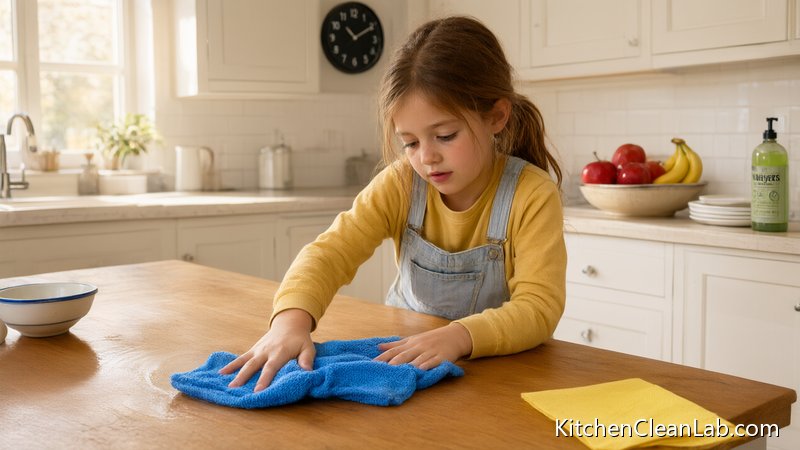
This habit protects grout, hardwood, and quartz countertops from staining. It also prevents sticky grease buildup that attracts dust and insects. Keep a microfiber cloth or paper towel next to the stove so you can wipe immediately without hunting for supplies.
Action step: When you see a spill, count to five and wipe it. For greasy splatters, use a degreasing spray or a damp cloth with a drop of dish soap. For floors, step on a paper towel and wipe the spot right away instead of letting it get walked through the house.
Habit 6: They Reset Flat Surfaces Before Bed
Kitchen islands, dining tables, and countertop edges are magnets for clutter. Items such as school papers, shopping bags, and small tools often land there and multiply overnight. A nightly flat-surface reset prevents this accumulation and gives you a clean slate in the morning.
This does not have to take long. Walk through the kitchen and remove anything that does not belong. Put pantry items back, hang dish towels, push in chairs, and clear mail or keys to their designated landing zone outside the kitchen. The goal is to make every flat surface visible and empty.
Action step: Add a 5-minute “closing shift” to your evening routine. Set a timer, move through each flat surface from left to right, and put items back where they belong. You will wake up to a spotless kitchen without doing a deep clean.
Habit 7: They Keep Cleaning Supplies Within Arm’s Reach
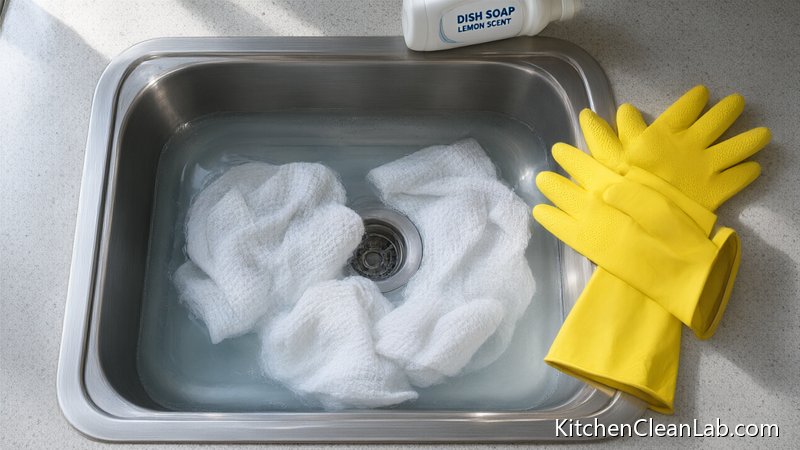
One reason messes linger is that the spray bottle is in the bathroom, the dish soap is hidden under the sink, and the clean towels are in a drawer across the room. If cleaning supplies are inconvenient, people tend to postpone the task. People with spotless kitchens store a small caddy under the sink or on a shelf with multipurpose cleaner, glass cleaner, microfiber cloths, a scrub brush, and dish soap.
Having these tools at arm’s reach makes it almost automatic to wipe a spill or clean a splatter before it dries. You can also keep a small spray bottle of vinegar and water on the counter if you prefer a visual reminder.
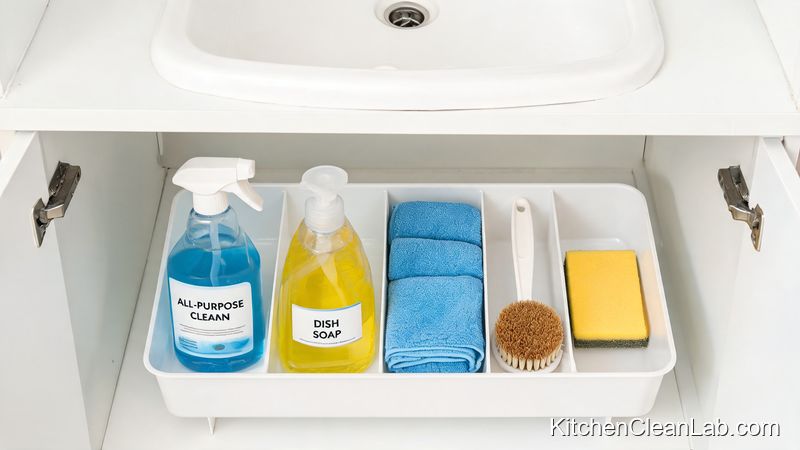
Action step: Assemble a kitchen cleaning caddy today. Include an all-purpose cleaner, a degreaser, a microfiber cloth, a sponge, and a small scrub brush. Place it in the cabinet closest to the stove or sink. Refill it monthly so it is always ready.
How to Build These Habits Without Feeling Overwhelmed
The secret to joining the ranks of people with spotless kitchens is to introduce these habits gradually. Do not try to adopt all seven in one day or you will burn out. Instead, use a two-week rollout:
- Week 1: Start with clearing counter clutter, cleaning as you cook, and wiping spills immediately. These three habits prevent most visible messes.
- Week 2: Add the nightly empty-sink rule, the flat-surface reset, and keeping cleaning products handy. Finally, label one cabinet or pantry zone.
- Daily rhythm: Before cooking, empty the dishwasher and grab a damp cloth. During cooking, put ingredients away and wipe spills. After dinner, load the dishwasher and wipe the sink. Before bed, clear all flat surfaces.
Once these actions become automatic, your kitchen will look consistently tidy with very little mental effort.
Frequently Asked Questions About Spotless Kitchens
How long does it take to maintain a spotless kitchen each day?
Most people spend 10 to 15 minutes in the evening and a few minutes during cooking. The key is consistency, not long cleaning sessions.
What is the most important habit for a clean kitchen?
Cleaning as you cook has the biggest immediate impact because it prevents the mountain of dishes and spills from piling up.
Do I need to clear all items off my kitchen counters?
No. Keep daily essentials like a coffee maker or a utensil crock, but remove anything you do not use at least every day. The goal is to see at least 70% clear counter space.
How can I get my family to follow these habits?
Use labels, assign specific zones, and create a simple evening reset routine. Make it easy for everyone to put items back without confusion.
What cleaning products should I keep in the kitchen?
An all-purpose cleaner, degreaser, microfiber cloths, dish soap, and a scrub brush are enough for daily maintenance. Store them in one caddy under the sink.
Conclusion: Small Habits Create a Permanently Spotless Kitchen
A spotless kitchen is not the result of a massive weekend deep clean. It is the product of seven small, repeatable habits: clearing counter clutter, labeling homes, cleaning as you cook, emptying the sink nightly, wiping spills immediately, resetting flat surfaces, and keeping cleaning products handy. Pick one habit to start this week, then layer on the next. Within a few weeks, your kitchen will begin to feel lighter, cleaner, and easier to maintain—without spending hours scrubbing.