Understanding Kitchen Drain Odors
Kitchen sink drains often develop a sour, musty smell because food particles, grease, and soap scum become trapped inside pipe walls. Over time, bacteria feed on this organic matter and release foul-smelling gases, including hydrogen sulfide. That is why a drain can smell bad even when water flows freely. Learning how to clean kitchen drain odors with salt and lemon gives you a safe, natural alternative to harsh chemical drain cleaners.
Salt acts as a mild abrasive and osmotic agent that disrupts sticky grease deposits, while lemon juice delivers citric acid and a fresh citrus scent. Used together, they form a simple kitchen drain odor remover that is safe for most plumbing systems.
The Hidden Cause of Most Kitchen Drain Smells: Biofilm
When food and grease enter the drain, they do not always wash away completely. A thin layer of organic material can stick to the pipe interior, creating a sticky film called biofilm. Bacteria and fungi colonize this layer and produce waste gases that smell like rotten eggs or sour milk. Salt and lemon for drain odor attack this problem in two ways: salt scours the film away, and lemon acid disrupts the bacteria and lifts the residue.
This is why a one-time flush often is not enough to permanently remove odor. Regular monthly treatments keep biofilm from building up and stopping the smell before it starts.
Why Salt and Lemon Work on Smelly Drains
The Role of Salt
Salt, especially coarse kosher salt or rock salt, works as a physical scrubbing agent when flushed through the drain. The granules help dislodge soft residue from pipe walls. Salt also creates a hypertonic environment that draws moisture away from odor-causing bacteria, which can help slow their growth. In addition, salt dissolves partially in hot water and helps emulsify thin layers of grease.
The Role of Lemon
Lemon juice contains natural citric acid that breaks down light organic buildup and hard water minerals. Its antibacterial properties help reduce the bacteria that cause kitchen drain odors. The essential oils in lemon peel and juice leave behind a clean, fresh fragrance that masks and neutralizes unpleasant smells. Unlike vinegar, which can smell sharp during cleaning, lemon provides a pleasant citrus aroma.
Together, salt and lemon for drain odor create a two-part approach: salt scrubs and dehydrates, while lemon dissolves, disinfects, and freshens.
Choosing the Right Salt and Lemon for the Job
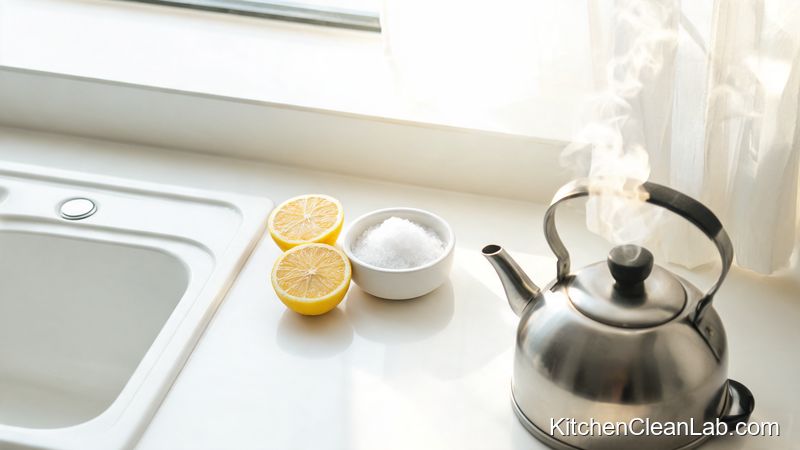
Not all salt and lemon products perform equally in drain cleaning. Coarse kosher salt, sea salt, or rock salt is best because larger crystals dissolve slowly and provide more scrubbing power. Fine table salt dissolves too fast and often contains anti-caking agents that can leave residue.
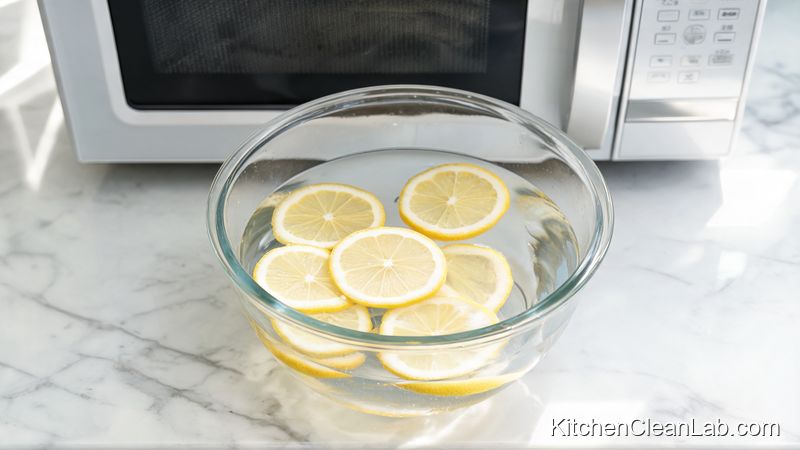
For the lemon component, fresh lemon juice is ideal because it contains natural citric acid and essential oils from the peel. Bottled lemon juice works in a pinch, but choose a product without added sugar or artificial flavors. You can also use lemon peels in a garbage disposal for extra freshness after the main treatment.
How to Clean Kitchen Drain Odors with Salt and Lemon: Step-by-Step
This method works best as a weekly or monthly treatment. For severe odors, repeat it for two or three days in a row. Always use caution with boiling water, especially if you have PVC pipes or a garbage disposal. Most kitchen sinks tolerate brief hot water flushes, but avoid using boiling water if you are unsure.
What You Need
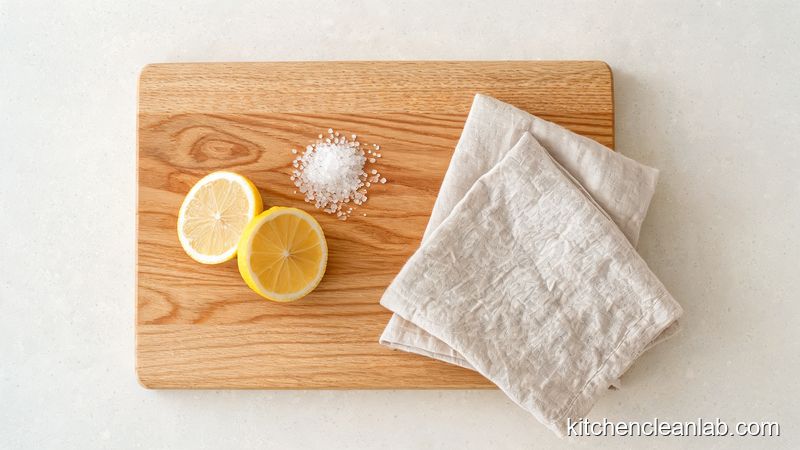
- 1/2 cup coarse salt — kosher salt, rock salt, or sea salt
- 1 fresh lemon or 1/2 cup lemon juice
- 4 cups boiling water
- Optional: 1/2 cup baking soda
- Measuring cup and kettle or pot
Method 1: Simple Salt and Lemon Flush
- Boil water. Heat about four cups of water until it reaches a rolling boil.
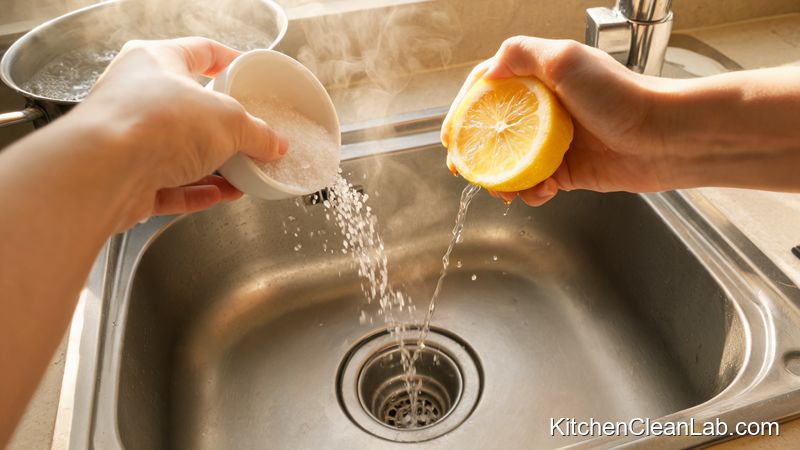
- Pour salt into the drain. Add 1/2 cup of coarse salt directly into the kitchen drain opening. Use a spoon or funnel if needed.
- Add lemon juice. Squeeze the juice of one fresh lemon over the salt. If using bottled lemon juice, pour about 1/2 cup slowly.
- Let it sit. Allow the salt and lemon mixture to rest in the drain for 10 to 15 minutes. This gives the citric acid time to loosen grease and the salt time to work on residue.
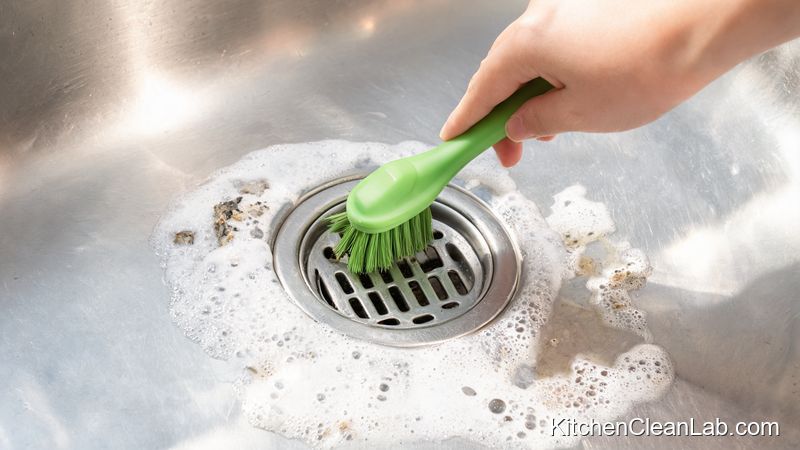
- Flush with boiling water. Slowly pour the boiling water down the drain in two or three stages. Pause for a few seconds between pours to let the heat penetrate.
- Rinse with warm water. Run warm tap water for 30 seconds to clear any remaining salt and debris.
Method 2: Salt, Lemon, and Baking Soda Deep Clean
If your kitchen drain odor is stronger, add baking soda to create a fizzing reaction that lifts stubborn organic matter.
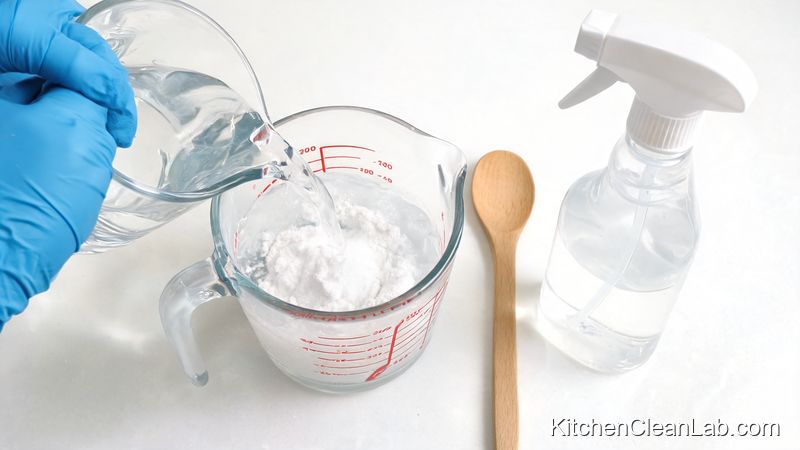
- Pour baking soda and salt. Add 1/2 cup of baking soda and 1/2 cup of coarse salt into the drain.
- Add lemon juice. Slowly pour the juice of one lemon or 1/2 cup lemon juice into the drain. You will see fizzing as the citric acid reacts with the baking soda.
- Cover the drain opening. Place a sink stopper or a cloth over the drain to force the foaming action downward through the pipe.
- Wait 15 minutes. Let the mixture work inside the drain. Do not run water during this time.
- Flush with boiling water. Remove the cover and pour four cups of boiling water slowly down the drain.
- Repeat if needed. For persistent odors, repeat the treatment once per day for two or three days.
How to Use Salt and Lemon for Garbage Disposal Odors
If your kitchen sink has a garbage disposal, the smell may be coming from food particles trapped around the rubber splash guard or the grinding blades. The salt and lemon method works well here too, but with a small modification.
- Fill the disposal with ice and salt. Put one cup of ice cubes and 1/2 cup of coarse salt into the disposal.
- Add lemon wedges. Toss in a few small lemon wedges or slices, including the peel.
- Run cold water and turn on the disposal. Let it grind the mixture for 15 to 20 seconds. The ice and salt scrub the blades, while the lemon peel releases fresh oils.
- Flush with cool water. Continue running cold water for another 15 seconds to rinse away debris.
This method reduces garbage disposal odors and complements the main drain flush. Avoid using boiling water directly in a garbage disposal because extreme heat can soften plastic components.
How Salt and Lemon Compare to Vinegar and Baking Soda
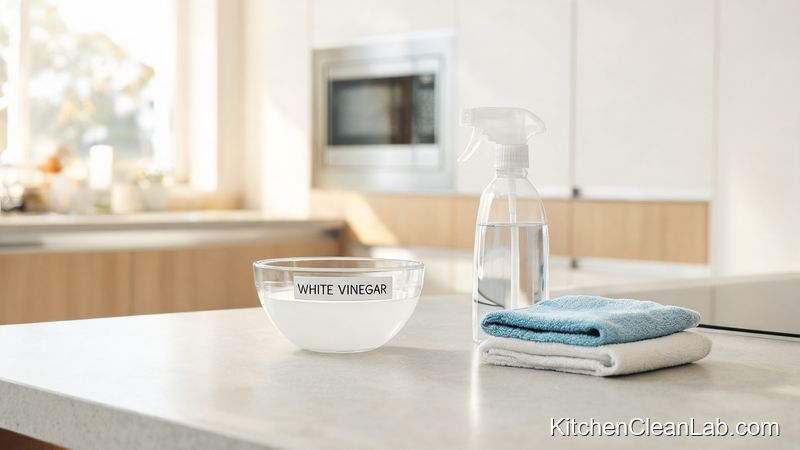
Many homeowners ask whether salt and lemon are better than the classic baking soda and vinegar method. Both are natural and effective, but they work differently. Baking soda and vinegar create a dramatic fizzing reaction that can lift loose debris and neutralize odors. However, vinegar has a sharp smell that some people dislike.
Salt and lemon offer a more pleasant citrus scent and add a mild abrasive action that vinegar lacks. The combination is especially useful for kitchen drain odor removal because it cleans and deodorizes in one step. You can use the methods together: first clean with baking soda and vinegar, then finish with a salt and lemon flush to leave a fresh scent.
How Often Should You Clean Drains with Salt and Lemon?
For most households, a monthly salt and lemon drain cleaning is enough to keep odors under control. If you cook frequently with oil, wash greasy pans by hand, or do not have a garbage disposal, you may need to treat your kitchen drain every two weeks. The simple method is quick enough to fit into a regular kitchen cleaning routine.
Preventive use is safer and more effective than waiting until a full clog forms. This natural treatment focuses on odor and light residue, but it is not designed to remove solid blockages like hair or large food chunks.
Additional Tips to Prevent Kitchen Drain Odors
- Never pour grease or cooking oil down the sink. Grease solidifies inside pipes and traps food particles, creating the perfect environment for odor-causing bacteria.
- Use a sink strainer. A fine mesh strainer catches food scraps before they enter the drain.
- Run cold water with the garbage disposal. Cold water keeps grease solid so the disposal can chop it, while hot water can melt grease and push it further into the pipes.
- Flush with hot water after each use. Rinsing the sink with warm or hot water for 15 seconds after washing dishes can reduce buildup.
- Drop citrus peels into the drain occasionally. Lemon or orange peels ground in the disposal provide a quick freshness boost, but they should not replace a deeper salt and lemon cleaning.
- Avoid putting coffee grounds, starchy foods, or fibrous peels down the drain. These materials can accumulate and worsen odors.

Common Mistakes to Avoid
When using salt and lemon to clean kitchen drain odors, there are a few mistakes that can reduce effectiveness.
Using Too Little Salt
A light sprinkle is not enough to scrub pipe walls. Use at least 1/2 cup of coarse salt for best results. Fine table salt dissolves too quickly and does not provide the same abrasive effect.
Skipping the Waiting Period
Let the mixture sit for at least 10 minutes. If you flush it immediately, the citric acid and salt will not have enough time to break down grease and neutralize bacteria.
Pouring Boiling Water Too Quickly
If you dump all the boiling water at once, it may pass through the drain too fast. Pour slowly in stages so the heat can soften deposits inside the pipe.
Expecting It to Clear Major Clogs
This method is for odor control and light residue removal. If the drain is fully clogged or drains very slowly, use a plunger, drain snake, or consult a licensed plumber.
Frequently Asked Questions
Can I use table salt instead of coarse salt for drain odors?
You can, but coarse salt is more effective. Coarse salt dissolves more slowly and provides better scouring action inside the drain. Table salt can still help with light odor, but use a full cup and follow the same steps.
Will salt and lemon damage kitchen pipes?
For most standard kitchen plumbing, occasional use of salt and lemon is safe. Salt is not corrosive to metal pipes in the small amounts used for cleaning. Lemon juice is mildly acidic, but it is diluted by water and used briefly. Avoid using this method if your pipes are made of old, damaged, or compromised materials. If in doubt, consult a plumber.
How long does it take for salt and lemon to remove drain odor?
You may notice a fresher scent immediately after flushing. However, the underlying odor-causing bacteria may require 15 to 30 minutes for the full treatment to work. For deep or persistent smells, repeat the process daily for two or three days.
Can I use lemon essential oil instead of fresh lemon juice?
Yes. Add five to ten drops of food-grade lemon essential oil to the salt before flushing with hot water. Essential oil provides fragrance and some antibacterial benefits, but it does not contain the same level of citric acid as fresh lemon juice. For best results, use fresh lemon juice or bottled lemon juice.
Is this method safe for garbage disposals?
Yes, but use caution with boiling water. Some garbage disposal components can be sensitive to extreme heat. Allow boiled water to cool for one to two minutes before pouring. You can also grind a small lemon wedge and a handful of ice cubes with coarse salt to clean the disposal blades and deodorize the unit.
When to Call a Professional
If you have tried salt and lemon treatments and the smell returns within a day, there may be a deeper plumbing issue. A dry P-trap, a blocked vent pipe, or a damaged sewer line can cause persistent kitchen drain odors. Contact a licensed plumber if you notice gurgling sounds, sewage smells, slow drainage in multiple fixtures, or water backups.
Conclusion
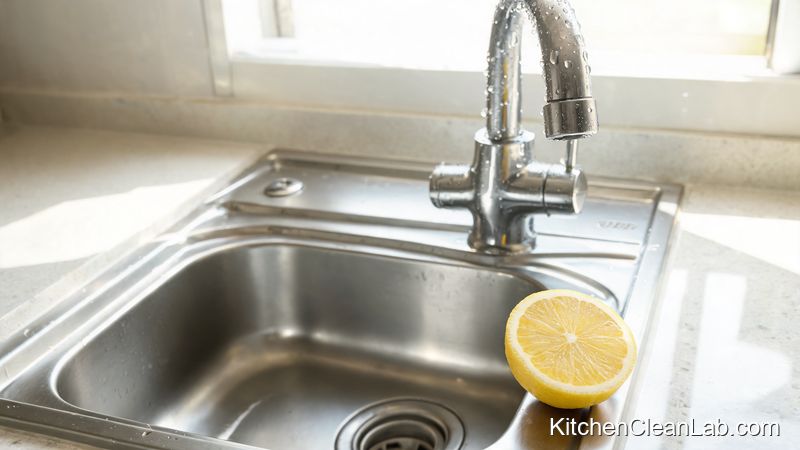
Learning how to clean kitchen drain odors with salt and lemon is an easy, affordable, and eco-friendly way to keep your sink fresh. This natural method combines the abrasive power of salt with the grease-cutting, antibacterial properties of lemon. Used regularly, it prevents odor-causing buildup without exposing your home to harsh chemicals. For most kitchens, a monthly salt and lemon flush is all you need to maintain a clean-smelling drain and a healthier sink environment.