Why Olive Oil Makes an Eco-Friendly Stainless Steel Polish
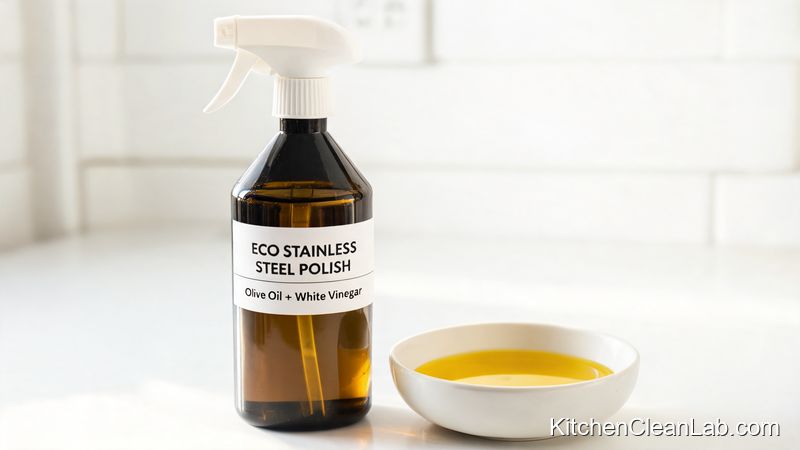
Olive oil lifts fingerprints and creates a light protective layer on stainless steel, while white vinegar dissolves greasy film and water spots. Together they form an inexpensive, non-toxic alternative to solvent-based appliance polishes. Buff the surface with a dry cloth after wiping to avoid an oily finish.
Most commercial stainless steel polishes rely on petroleum-based solvents, synthetic fragrances, and aerosol propellants. They can work quickly, but they introduce indoor air pollutants and often leave a haze that builds over time. Olive oil, by contrast, is food-safe, widely available, and effective for light cleaning and shine when used correctly.
This approach mirrors the simple cleaner recommended by the David Suzuki Foundation: a small amount of olive oil for smudges and white vinegar for the final wipe. From my own kitchen testing, the combination works well on refrigerator doors, stovetops, dishwashers, and even small appliances like toasters. The key is to treat it as a polish, not a heavy degreaser or sanitizer.
Ingredients and Tools for the DIY Polish
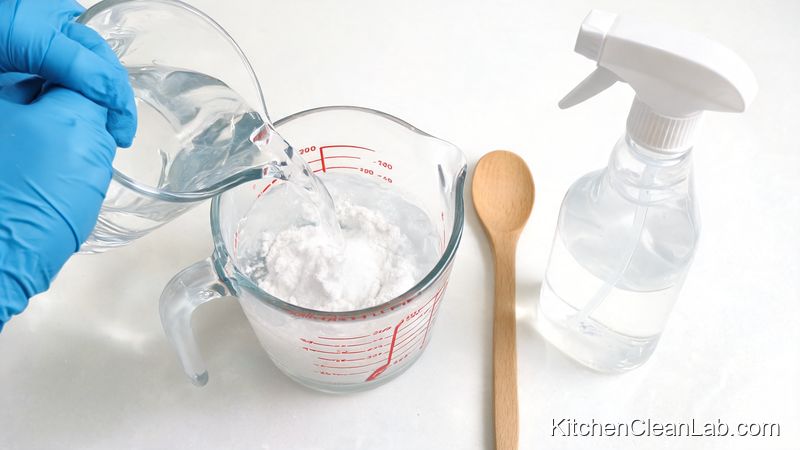
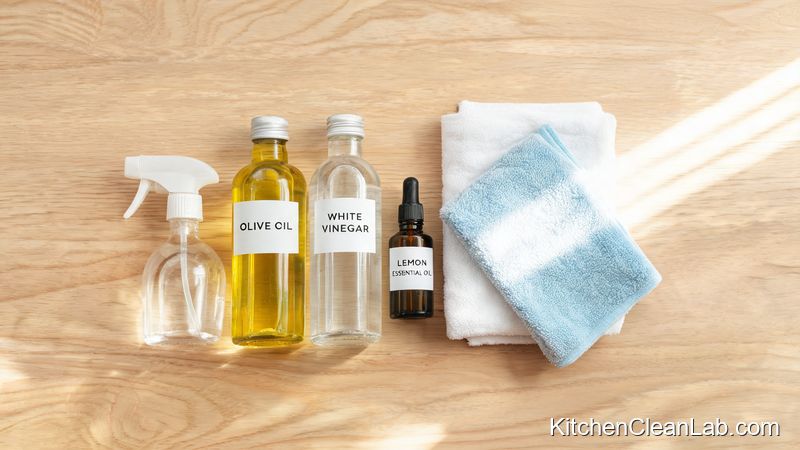
You need only three core ingredients: olive oil, white vinegar, and optional lemon essential oil. A soft microfiber cloth and a dark glass spray bottle handle the rest. Keep a 1:1 ratio for a sprayable polish, or apply oil and vinegar separately for targeted fingerprint removal.
The quality of your cloth matters more than the grade of olive oil. A tight-weave microfiber cloth grabs oil without leaving lint. If you prefer a spray format, use a glass bottle because essential oils can degrade some plastics over time. Avoid extra-virgin olive oil if the fruity scent bothers you; regular or light olive oil has a milder odor and works just as well.
- 1 tablespoon olive oil for spot polishing
- 1 tablespoon white vinegar for cutting grease and hard water residue
- Optional: 6–10 drops lemon essential oil for a fresh scent
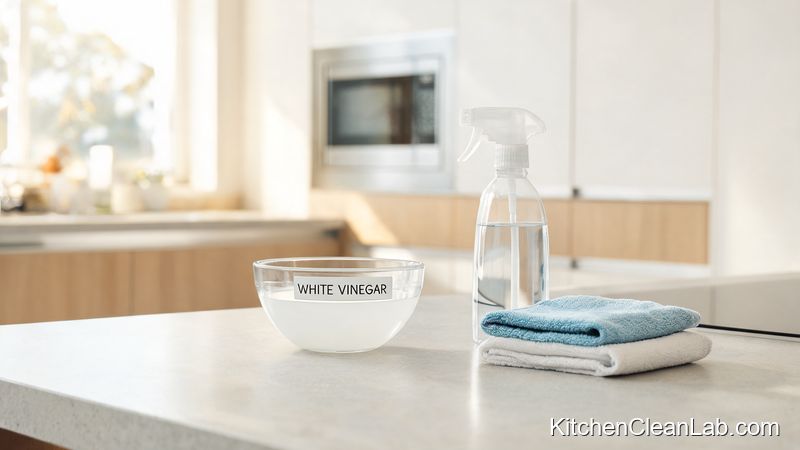
- Two microfiber cloths — one damp, one dry
- Dark glass spray bottle for larger batches
| Format | Ratio | Best For | Notes |
|---|---|---|---|
| Spot polish | 1 tbsp olive oil + 1 tbsp white vinegar | Fingerprint removal on handles and small areas | Apply oil first, then vinegar; buff dry |
| Spray polish | 1 cup olive oil + 1 cup white vinegar | Large appliances and weekly maintenance | Shake well before every spray |
| Wood-safe variation | 2 cups warm water + 2 tbsp olive oil + 2 tbsp white vinegar or lemon juice | Sealed wood furniture | Always patch test; avoid waxed wood |
Keep vinegar away from natural stone, waxed wood, cast iron, and aluminum. The acid can etch stone and dull or oxidize these surfaces.
Step-by-Step: How to Make and Apply the Polish
Mix equal parts olive oil and white vinegar, shake the bottle vigorously, spray a small amount onto a microfiber cloth, and wipe with the stainless steel grain. Finish with a dry microfiber cloth to remove excess oil. Most appliances can be polished in about five minutes.
Start with a clean surface. If your appliance has sticky grease or food splatter, wipe it down with warm water and a small amount of dish soap before polishing. The vinegar in this recipe handles light film, but heavy buildup requires a pre-cleaning pass.
- Prepare the surface. Remove loose dust and crumbs with a damp microfiber cloth.
- Shake the mixture. Oil and vinegar separate quickly. Shake until the liquid looks cloudy and evenly mixed.
- Apply to the cloth, not the appliance. A light mist or a few drops is enough. Starting with less prevents oversaturation.
- Wipe with the grain. Look closely at your stainless steel finish. On many refrigerators, the grain runs horizontally. Wiping against it creates visible streaks.
- Buff dry immediately. Use a clean, dry microfiber cloth and light pressure to remove any remaining oil.
- Spot check. If a smudge remains, apply a small amount of vinegar alone, wipe the area, and then repeat the polish step.
One common issue is using too much oil on a large refrigerator door. A teaspoon or two is enough for an entire French-door fridge. I have found that applying the mixture to the cloth rather than spraying directly onto the steel gives better control and keeps the edges of the appliance from becoming oily.
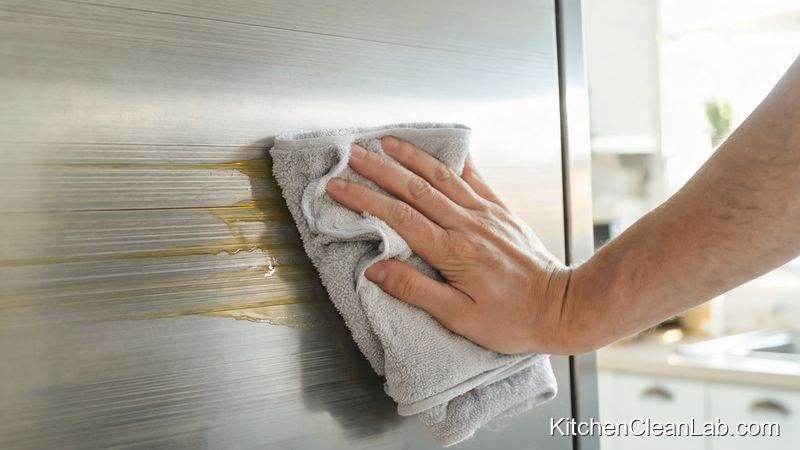
How to Get a Streak-Free Finish on Large Stainless Steel Appliances
Streak-free results depend on three habits: work with the grain, use a dry buffing cloth, and avoid soaking the surface. For large appliances, split the area into sections so the oil does not sit too long before buffing. A final dry pass removes the cloudy layer that causes streaks.
Stainless steel has a fine grain that acts like tiny grooves. Oil and vinegar settle into those grooves unevenly if you wipe in circles. Always use straight overlapping strokes that follow the grain direction. If you are not sure which way the grain runs, shine a flashlight at a low angle or lightly drag a fingernail across the surface; one direction will feel smoother.
For tall refrigerator doors, clean from top to bottom in horizontal bands. Apply the polish to a folded microfiber cloth, wipe one band, then buff it dry before moving to the next. This section-by-section approach prevents the edges from drying with a visible line.
If your water has high mineral content, hard water spots can interfere with the polish. A pre-wipe with diluted white vinegar — one part vinegar to three parts water — can dissolve those spots before you apply the oil mixture.
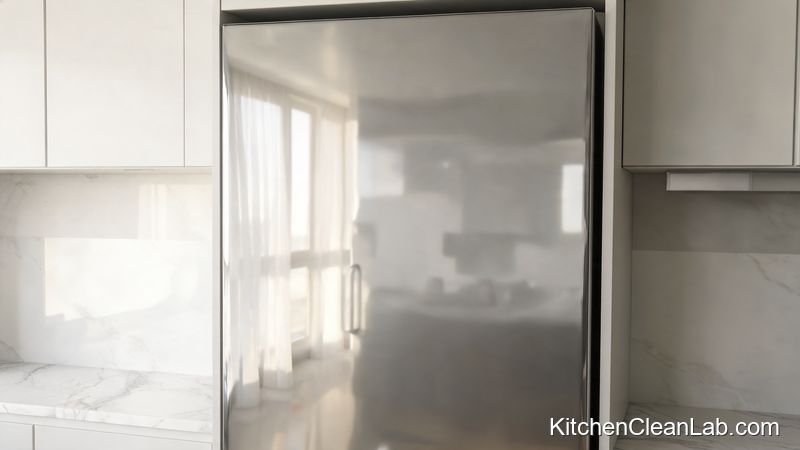
Choosing the Right Olive Oil and Vinegar for the Job
Regular or light olive oil is the best all-purpose choice because it has a mild scent and low cost. White vinegar with 5% acidity is standard. Avoid wine vinegar, balsamic, or flavored vinegars, which can leave sticky or tinted residues on stainless steel.
Extra-virgin olive oil works if you like the scent, but its stronger aroma can linger in a kitchen. More importantly, extra-virgin olive oil contains more plant solids, which can make the finish slightly hazy if not buffed thoroughly. The cheaper, refined olive oil labeled "light" or "pomace" often produces a cleaner shine because it has fewer solids.
For the vinegar, check the label for 5% acetic acid. This is the standard concentration for household white vinegar. Cleaning vinegar may be 6% or higher and can be harsher, so if you use it, increase the oil slightly or dilute it with water. Avoid apple cider vinegar for stainless steel because the natural color and sugars can leave streaks or a faint film.
If you want to add scent, lemon, orange, or bergamot essential oil are good options. Use four to six drops per cup of mixed polish. Avoid heavy resinous oils like cinnamon or clove, which can irritate skin and may leave a stronger residue.
Adapting the Polish for Brushed, Polished, and Coated Stainless Steel
Brushed stainless steel responds best to oil-and-vinegar polish because the grain guides the cloth. Polished or mirror-finish steel requires an even lighter oil layer and extra buffing to avoid a cloudy look. Coated stainless steel may not need oil at all and should be tested in a hidden area first.
Most kitchen appliances use brushed stainless steel. The fine texture hides small amounts of oil and makes streak control easier when you wipe with the grain. Mirror-polish surfaces are less forgiving. Use a barely damp cloth with the polish, then immediately dry with a separate cloth. If the surface looks hazy, apply white vinegar alone to remove the excess oil and start over.
Some newer appliances have a clear coat or anti-fingerprint coating. In these cases, oil can sit on top of the coating rather than bonding with the steel. The result is a greasy film. Check the owner's manual or test on a lower corner. If the test area feels oily after buffing, switch to water and a gentle microfiber cloth for that appliance.
Storage, Shelf Life, and Batch Size
Small batches stored in a cool, dark cabinet are the safest choice. A basic olive oil and vinegar spray keeps for several weeks if you shake it before each use. If you add lemon juice or essential oils, make only what you can use within two to four weeks.
Olive oil can turn rancid when exposed to heat, light, and oxygen for long periods. That is why a dark glass bottle is better than clear plastic. However, the small amounts used in this polish are usually wiped onto a surface and buffed, so the oil is not sitting in a closed bottle for months. If you notice a sharp, crayon-like odor, toss the batch and make a fresh one.
- Spray bottle batch: 1 cup olive oil + 1 cup vinegar, use within 1 month.
- Spot batch: mix only the amount needed for one cleaning session.
- Essential oil version: store in dark glass and use within 2–4 weeks for best scent.
- Label the bottle with the date and ingredients to avoid confusion.
Do not store the mixture near a stove or in direct sunlight. Heat speeds rancidity and can also build pressure inside a closed glass spray bottle.
Common Mistakes and Surface Safety Precautions
Avoid excess oil, paper towels, and using vinegar on incompatible surfaces. Too much olive oil creates a tacky film that attracts dust and pet hair. Always test a hidden spot on brushed, coated, or antique stainless steel before polishing an entire appliance.
Even natural ingredients can cause damage if used on the wrong surface. Vinegar is an acid, and repeated exposure can etch stone countertops, degrade waxed wood, and pit cast iron. If your stainless steel appliance has a clear coat or colored finish, check the manufacturer's care guide first.
- Excessive oil: Start with half a teaspoon for a refrigerator door. You can add more if needed.
- Wrong cloth: Paper towels break apart and leave lint. Use tight-weave microfiber.
- Circular wiping: This creates swirl marks. Use straight strokes along the grain.
- Ventilation and gloves: Vinegar odor fades, but open a window if you are sensitive. Wear household gloves if you have cuts or dry skin.
- Surface compatibility: Do not use on natural stone, waxed wood, cast iron, or aluminum.
FAQs About Eco-Friendly Stainless Steel Polish with Olive Oil
Most questions come down to residue control, odor, and whether olive oil spoils. Use a light coat, buff dry, and store small batches in a cool, dark place. Basic oil-and-vinegar mixes are fine for short-term use; added citrus oils require more attention to shelf life.
Will olive oil leave a greasy residue on stainless steel?
Only if you use too much or skip the dry buffing step. Apply a small amount to the cloth, wipe with the grain, then immediately pass over the area with a clean, dry microfiber cloth. The surface should feel smooth, not sticky.
Does vinegar damage stainless steel?
White vinegar is safe for most stainless steel surfaces when used in small amounts and wiped dry. Avoid soaking the surface or letting vinegar pool on edges. Do not use it on aluminum, cast iron, natural stone, or waxed wood, because the acid can etch or dull these materials.
Can I use lemon juice instead of vinegar?
Yes. Lemon juice provides similar mild acidity and a fresher scent. Because it contains sugar, it can be slightly stickier if not buffed thoroughly. Use it as a direct substitute in the 1:1 mixture or in the wood polish variation after a patch test.
How often should I polish stainless steel appliances?
Once a week is enough for most kitchens. High-touch areas like refrigerator handles and dishwasher fronts may need a quick wipe every two to three days. A thin olive oil barrier can reduce visible fingerprints between cleanings, but heavy cooking grease still requires more frequent attention.
Final Thoughts
Olive oil and white vinegar create a simple, effective stainless steel polish that removes smudges and adds a streak-free shine without harsh chemicals. The recipe is flexible enough for spot cleaning or weekly appliance maintenance. Use a light hand, follow the grain, and buff dry.
Once you find the right amount for your appliances, this method becomes faster than pulling out a commercial spray. Keep a labeled bottle under the sink and a stack of clean microfiber cloths nearby. That small setup keeps kitchen surfaces looking clean with minimal waste and no synthetic fragrance load.