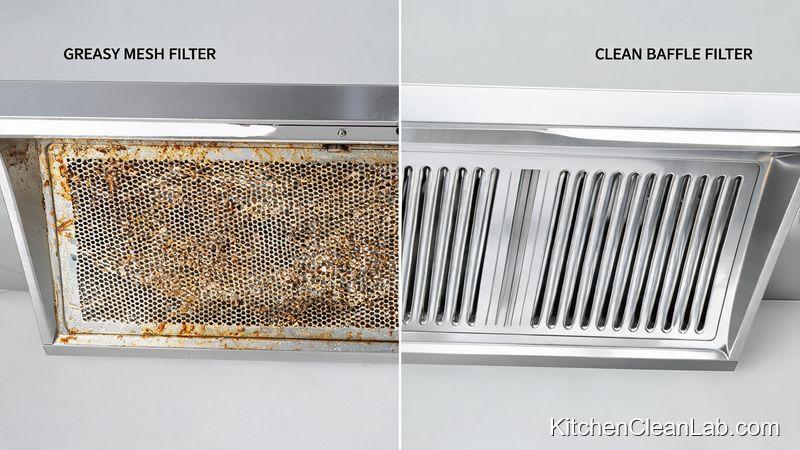
Why Cleaning the Dishwasher Filter Takes Only 10 Minutes
If your dishwasher smells musty or leaves a gritty film on glasses, the problem is often a clogged filter. Many people assume dishwashers are self-cleaning, but the filter traps tiny food particles, grease, and paper fibers after every cycle. Cleaning it is not a major appliance repair. In most homes, how to clean a dishwasher filter comes down to removing a small cylindrical or flat screen, rinsing it, and scrubbing it with warm soapy water. The entire task takes about 10 minutes, requires no special tools, and can dramatically improve cleaning performance.
What You'll Need
- Warm water
- Dish soap or mild degreasing detergent
- Soft-bristle brush or old toothbrush
- Non-abrasive sponge or microfiber cloth
- Small bowl
- Paper towels or a clean rag
How a Dishwasher Filter Works
Most modern dishwashers have a removable filter located on the tub floor. It sits near the base of the lower spray arm and catches solid debris before water goes through the drain pump. A typical setup includes a coarse cylindrical filter and a fine flat filter beneath it. The coarse filter traps larger bits of food, while the fine mesh catches smaller particles. Over time, this layer builds up with grease, soap scum, and mineral deposits. If the filter is blocked, water cannot drain properly, and particles recirculate onto your dishes.
Dishwashers with a hard food disposer or self-cleaning filter still have a screen or grate that should be inspected. However, clean dishwasher filter maintenance is most important on models with removable filters, which are common in European and modern North American designs.
Step-by-Step: How to Clean a Dishwasher Filter in 10 Minutes
Follow these dishwasher filter cleaning steps once a month or whenever you notice odors or grit. The process is safe for stainless steel, plastic, and hybrid filter assemblies.
Step 1: Empty the Bottom Rack and Locate the Filter
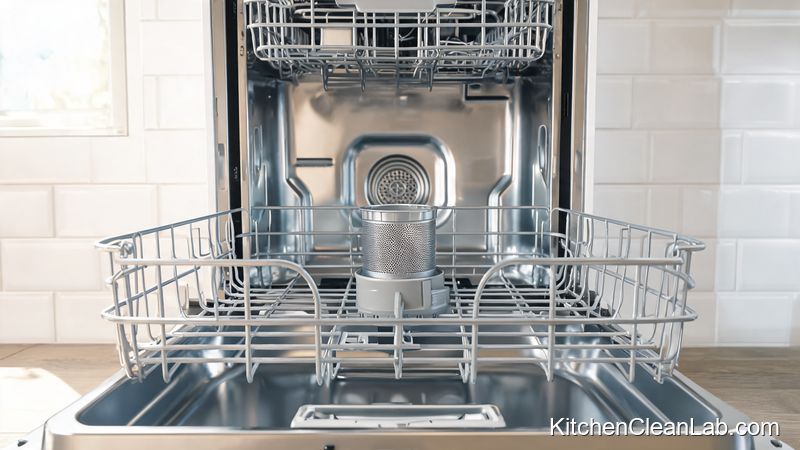
Wait until the dishwasher is cool after a cycle. Open the door, pull out the lower rack, and remove it completely if your model allows. Look at the tub floor, usually near the center or back. The filter is a round or cylindrical piece around the base of the lower spray arm. Remove and clean dishwasher filter components only after you see how they align.
Step 2: Remove the Filter Assembly
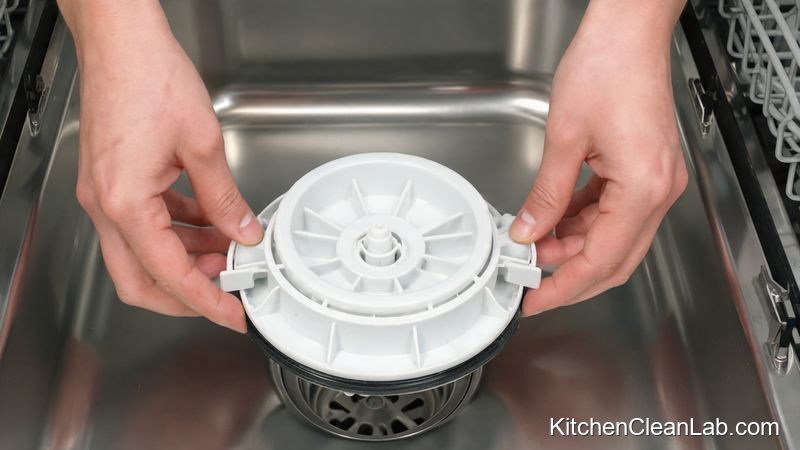
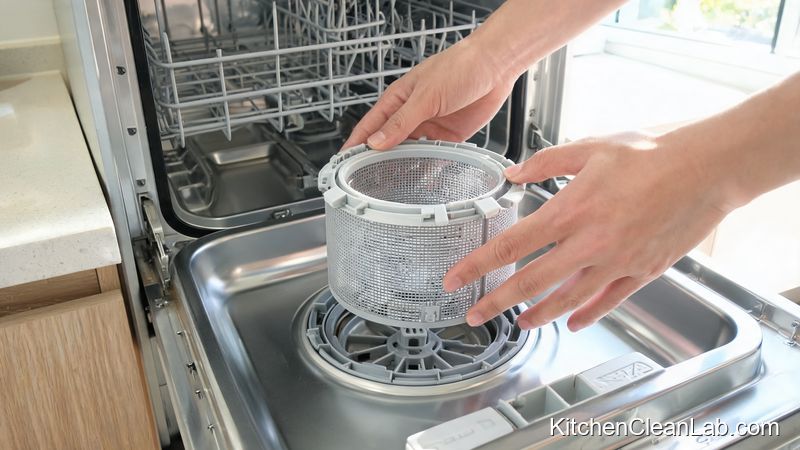
Grasp the cylindrical handle and turn it counterclockwise, usually about a quarter turn, then lift it out. On some models, you may need to lift the flat filter and separate it from the coarse cylinder. If the filter has not been cleaned for months, it may feel stuck. Wiggle gently, but do not force it. You can press down slightly while turning to release debris. Once removed, set the pieces in a small bowl.
Step 3: Rinse Away Loose Debris
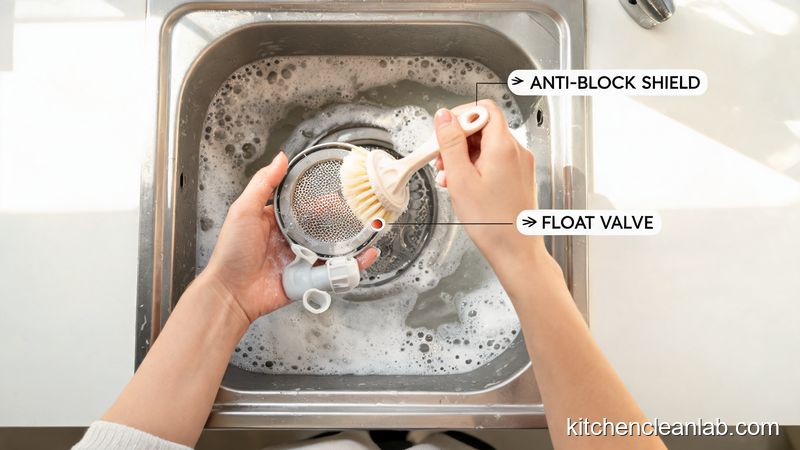
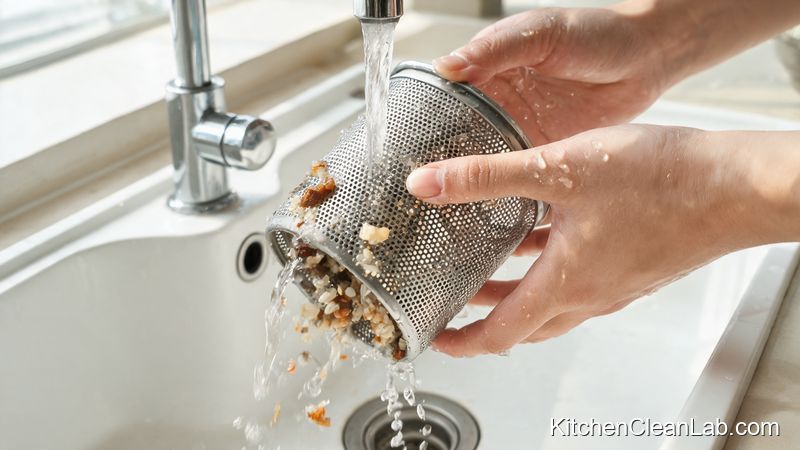
Rinse the filter parts under warm running water. Use your fingers or the soft brush to dislodge visible food particles. Pay attention to the inside of the cylinder and the underside of the flat filter. This step removes the largest debris so that scrubbing is quicker and more effective.
Step 4: Scrub the Filter and Mesh Screen
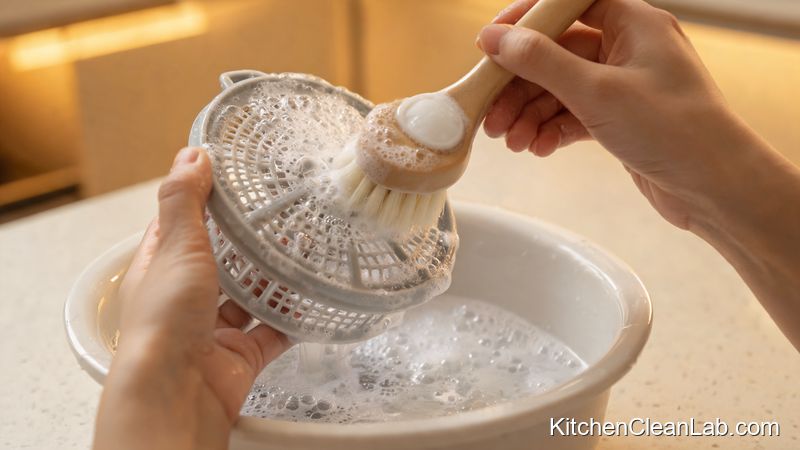
Fill a bowl with warm water and add a few drops of dish soap. Place the filter parts in the water and scrub all surfaces with a soft-bristle brush or old toothbrush. Work the brush through the fine mesh to remove grease film and trapped particles. Do not use steel wool, scouring pads, or hard brushes because they can damage the mesh. If you see white mineral buildup, soak the filter in a 50/50 mix of warm water and white vinegar for 5 minutes, then scrub again.
Step 5: Wipe the Filter Housing and Sump
While the filter pieces dry, wipe the housing area inside the dishwasher with a damp sponge or paper towel. Remove any gunk around the sump, drain grate, and rubber seal. This step is often forgotten but makes a big difference in odors. If there is standing water, soak it up with paper towels and check for debris in the pump inlet.
Step 6: Reinstall the Filter Correctly
Place the flat filter back into the housing first if applicable, then insert the cylindrical filter. Line up the arrows or tabs, press down gently, and turn clockwise until the filter locks into place. It should feel snug and not move when you shake it lightly. Reinstall the lower rack, close the door, and run a short rinse cycle to flush any loosened residue.
Time Breakdown for the 10-Minute Cleaning Routine
- Minutes 1–2: Remove lower rack, locate filter, and take out filter assembly.
- Minutes 3–4: Rinse loose debris from filter parts.
- Minutes 5–7: Scrub filter mesh and wipe housing.
- Minutes 8–10: Reinstall filter and run a quick rinse.
Common Mistakes to Avoid
- Using harsh chemicals: Bleach or abrasive cleaners can warp plastic and destroy rubber seals.
- Forcing a stuck filter: If it will not turn, check for trapped debris or consult the owner's manual.
- Cleaning only the coarse part: Remove and scrub the fine mesh too.
- Skipping the housing: Grease buildup inside the sump continues to cause smells.
- Leaving the filter loose: A poorly seated filter can cause noise, leaks, or pump damage.
How Often Should You Clean Your Dishwasher Filter?
For a typical household, plan to clean the filter once a month. If you cook often, run the dishwasher daily, have hard water, or scrape dishes lightly before loading, clean it every two weeks. Renters or vacation home owners should check the filter before the first cycle. If you notice dishwasher smells bad or see standing water, do not wait; clean the filter immediately.
Signs Your Dishwasher Filter Needs Cleaning
- Cloudy film or grit on glasses and plates
- Musty or sour odor coming from the tub
- Water pooling under the lower rack
- Longer cycles or poor drying
- Visible food particles inside the filter cylinder
- Dishes come out dirtier than before
FAQ: Dishwasher Filter Cleaning
Can I clean my dishwasher filter in the sink?
Yes. Warm water, dish soap, and a soft brush are safe for most removable dishwasher filters. Do not place the filter in a dishwasher cycle as the high heat and harsh detergent can warp plastic components.
Do all dishwashers have a removable filter?
Not all models. Some older or budget dishwashers use a built-in grinder or hard food disposer and may not have a user-removable filter. Check the tub floor or refer to the owner's manual. If you see a cylinder that turns, it is removable.
What happens if you never clean the dishwasher filter?
Food and grease continue to build up, reducing water pressure and drainage. This can cause the pump to work harder, create unpleasant odors, and leave dishes coated with trapped debris. Over time, it may lead to expensive service calls.
Why does my dishwasher smell even after cleaning the filter?
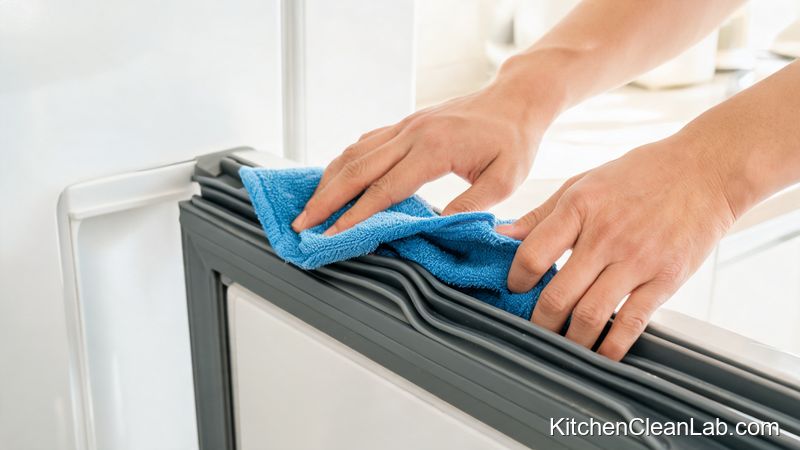
The filter is the most common culprit, but odors can also come from the spray arms, door gasket, drain hose, or standing water in the sump. Wipe the gasket, clean the spray arm nozzles, and run an empty cycle with a dishwasher cleaner or a cup of white vinegar placed on the top rack.
Conclusion
Learning how to clean a dishwasher filter is one of the easiest ways to boost appliance performance without tools or professional help. In just 10 minutes, you can remove trapped grease, eliminate bad smells, and protect the pump. Add this task to your monthly kitchen routine, and your dishes will come out cleaner with every cycle.